Exercise-linked protein helped protect hearts in mice
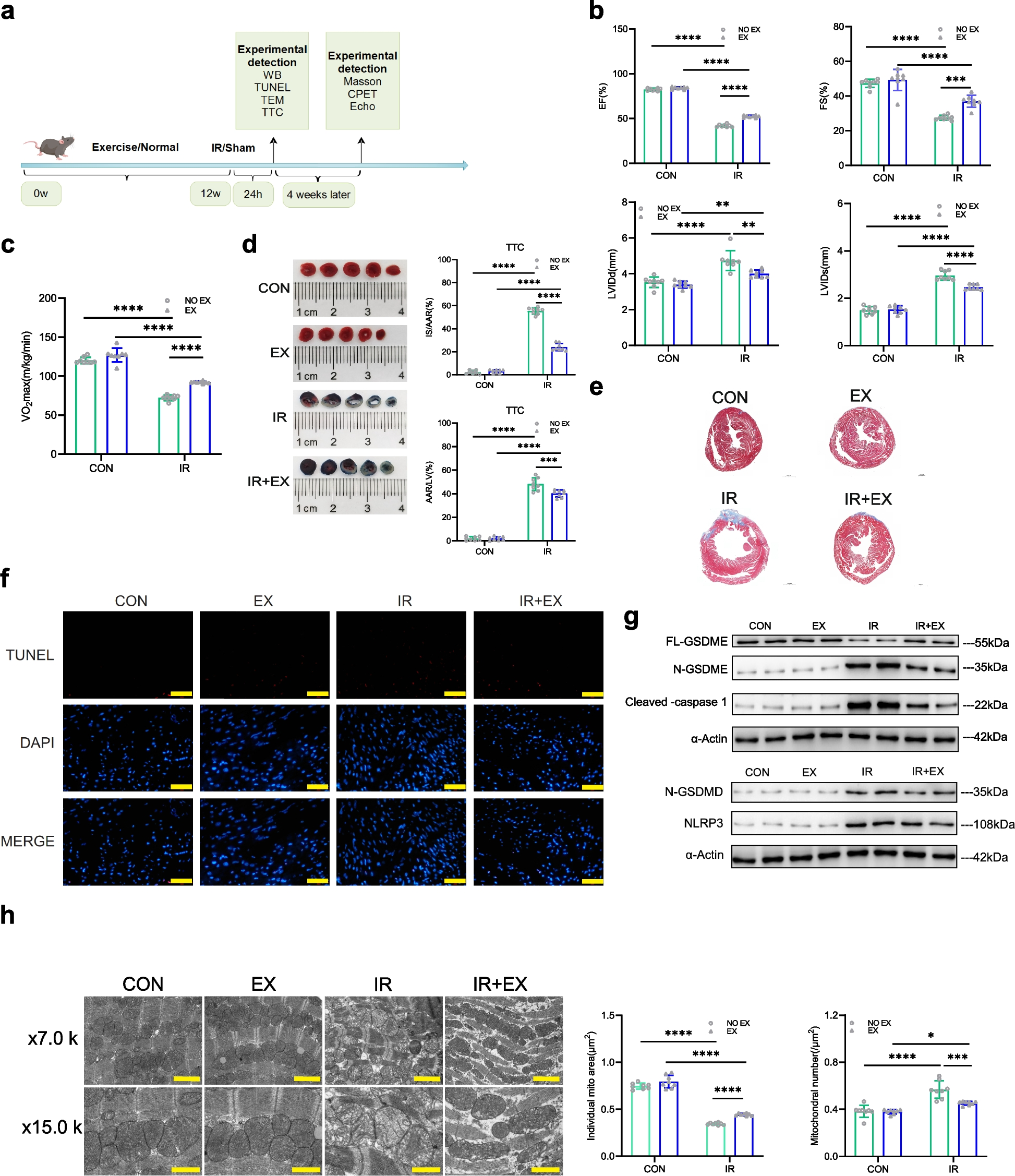
Mice that exercised for 12 weeks before heart blood flow was interrupted and restored had better heart function and smaller areas of dead tissue.
Our read
Interventions- Studied:
- Experiments in male mice with induced heart injury, 12 weeks, against exercised wild-type mice
- What changed:
- Exercised mice lacking IGFBP2 had worse heart function than exercised wild-type mice
- The catch:
- TUNEL staining cannot distinguish inflammatory cell death from other forms of cell death
- In the record:
- The 623rd paper on aerobic exercise with results in people; 1,652 on record in all. Its result on cardiac function agrees with all 5 other findings on record.
- Why it’s aging research:
- It studies an intervention with evidence of extending healthy life.
Editor of record: Boris Djordjevic · AgingResearch.News
Mice exercised for 12 weeks before researchers interrupted and restored blood flow to their hearts in an animal experiment. Exercise improved heart function and reduced the area of dead heart tissue.
The researchers linked these benefits to insulin-like growth factor-binding protein 2 (IGFBP2), a protein circulating in blood. Deleting its gene in mice largely abolished the exercise benefits. Experiments in mice and primary heart muscle cells linked the pathway to preserved mitochondria, the cells’ energy-producing structures, and reduced pyroptosis, an inflammatory form of cell death. Human blood protein measurements also found higher IGFBP2 levels in people with sustained aerobic exercise habits. The authors identified IGFBP2 as an important mediator of exercise-related heart protection, while noting that other pathways may also contribute.
Why it matters
For efforts to preserve heart health with age, this pathway offers a rationale for investigating ways to limit injury when blood flow returns.
Caveats
The human evidence concerned blood protein levels and exercise habits, not a test of heart protection. The protective pathway was investigated in mice and isolated heart muscle cells, and its therapeutic relevance requires further validation.
Where the evidence stands
Aerobic exercise
- 433 independent labs in 56 countries
- 123 findings against
- Funders: National Institutes of Health and others
- 62 of 1,712 findings with company ties
IGFBP2
- 14 independent labs in 6 countries
- 1 finding against
- Funders: National Institutes of Health and others
- 9 of 27 findings with company ties
From the paper
- Participants
Through an open invitation for blood sampling, we recruited 34 men: 17 marathon runners with a history of regular aerobic exercise (exercise group) and 17 age- and health-matched men with no history of regular exercise training (control group).
Quoted word for word from the full text on link.springer.com.


Comments
Be the first to comment.