Lower smell scores preceded mild cognitive impairment
Among 922 older adults, those who developed mild cognitive impairment had lower smell-identification scores than those who remained stable up to 10 years earlier.
Our read
Biomarkers- Studied:
- Cohort study of 633 cognitively unimpaired older adults without parkinsonism, about 7.7 years
- What changed:
- Adults who developed mild cognitive impairment had lower smell scores up to 10 years beforehand than those who stayed stable
- The catch:
- Shared brain disease could account for both poorer smell and cognitive decline
- In the record:
- The 2nd paper on amyloid plaque burden with results in people; 23 on record in all.
Editor of record: Boris Djordjevic · AgingResearch.News
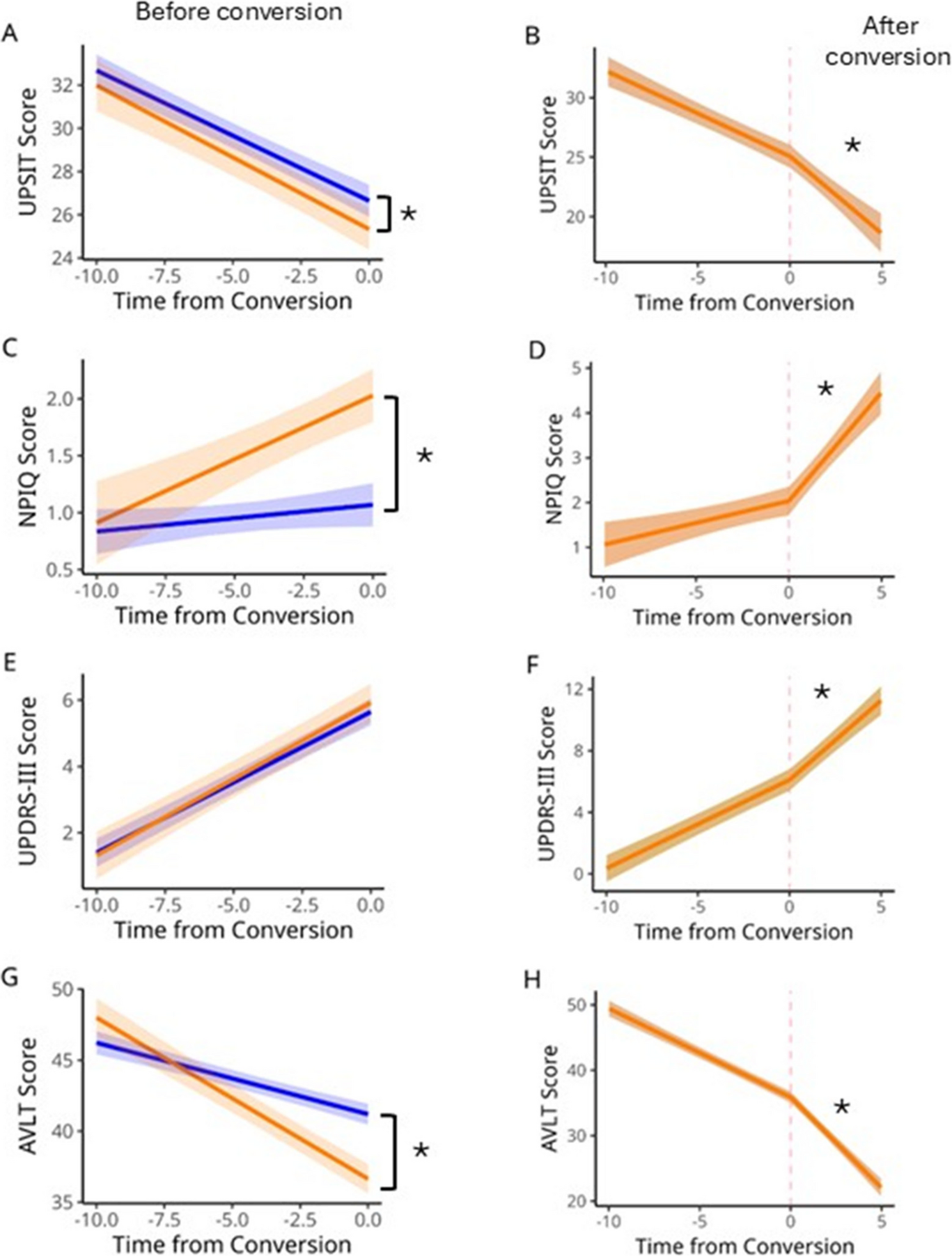
Adults with normal cognition and no parkinsonism, or Parkinson’s-like movement symptoms, entered a longitudinal study of 922 people averaging 76.9 years old; 33.8% were male. Researchers assessed changes over about 7.7 years, with repeated smell measurements in 633 participants. During follow-up, 279 developed mild cognitive impairment, meaning problems with memory or thinking, while 643 remained cognitively stable.
Those who developed impairment had lower smell-identification scores up to 10 years beforehand than those who remained stable. Combining smell, memory, and mood and behavioral symptom measures predicted impairment with about 70% accuracy up to five years beforehand. Smell alone had about 60% accuracy. In examinations after death, greater amounts of tau, a protein that forms tangles in the brain, were associated with faster smell decline.
Why it matters
Smell testing may offer a noninvasive addition to broader assessments aimed at identifying older adults at increased risk of cognitive decline.
Caveats
The associations leave open whether shared brain disease accounted for both poorer smell and cognitive decline. The findings concern older adults who began with normal cognition and no Parkinson’s-like movement symptoms.
Where the evidence stands
Proteostasis
- 129 independent labs in 28 countries
- 2 findings against
- Funders: National Institutes of Health and others
- 17 of 198 findings with company ties
MAPT
- 83 independent labs in 26 countries
- 7 findings against
- 10 trials
- Funders: National Institute on Aging and others
- 23 of 205 findings with company ties
- 10 of 10 trials sponsored by developers of drugs aimed at it


Comments
Be the first to comment.