Blood fat links to DNA marks replicated in Korean adults
Links at five previously identified DNA sites were confirmed in two additional Korean groups of 389 and 417 adults.
Limit: Lipids could drive methylation changes; reversing causal order left the mediation estimate unchanged
Edited by Boris Djordjevic · AgingResearch.News
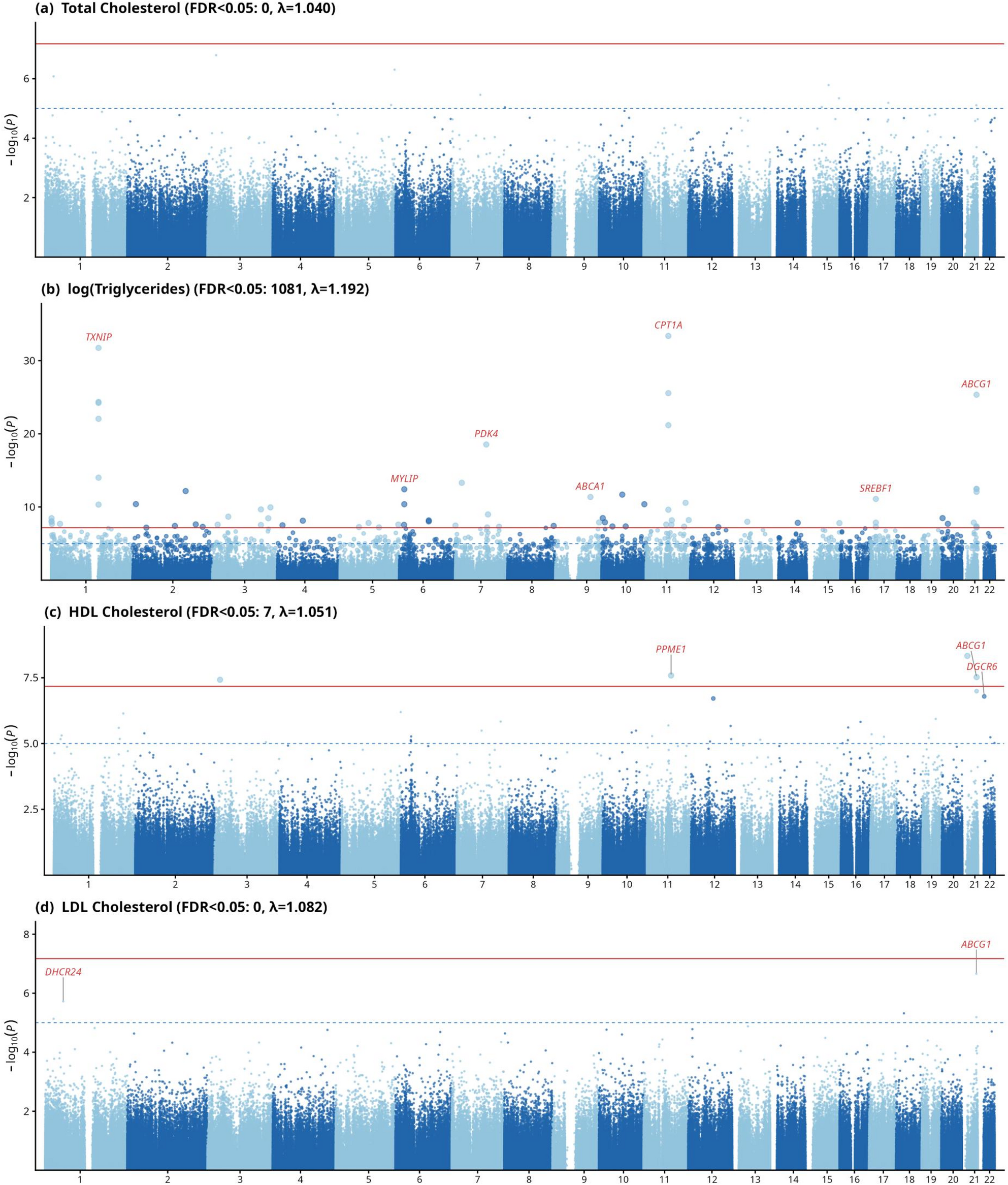
In an observational study of 1,527 Korean adults, researchers examined links between blood fats and DNA methylation, chemical marks on DNA that can affect gene activity. They tested the findings in two separate Korean groups of 389 and 417 adults from the same population-study program. Associations at all five previously established DNA sites were confirmed in both replication groups through a combined analysis.
The team also compared blood fat levels with five epigenetic clocks, DNA-based measures that estimate biological age or the pace of aging. DunedinPACE, a measure of the pace of aging, had the broadest associations across the blood fats studied.
Why it matters
DNA-based aging measures raise questions about how biological aging relates to abnormal blood fat levels. This study examined those questions in a population underrepresented in earlier research.
Caveats
This observational study could not establish the direction of cause and effect. Both replication groups came from one Korean cohort program, and generalization beyond Korean populations and blood measurements requires further study.
The paper
Korea Food Research Institute
Clinical Epigenetics, Oct 20, 2026, Open access, CC BY-NC-ND

