Sickle cell mice showed early aging-like changes in blood
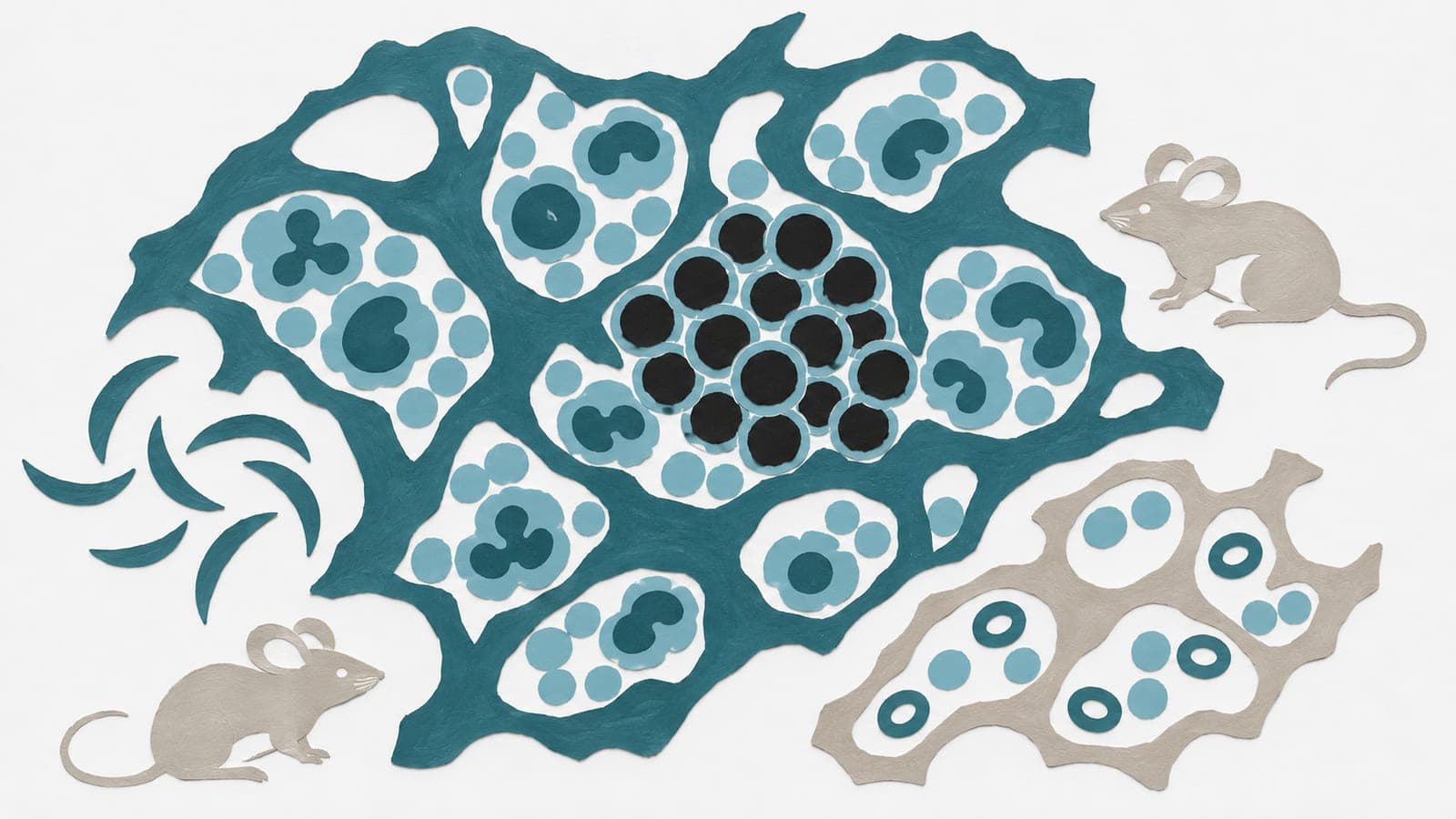
Mice followed up to one year of age showed abnormal blood formation, while repeated stem cell transplants increased mutations in blood-forming cells.
Our read
Mechanisms- Studied:
- Experiments in humanized sickle cell disease mice, against age-, sex- and strain-matched normal mice
- What changed:
- Sickle cell mice developed early aging-like blood formation and mutation patterns, unlike normal mice
- The catch:
- The transplant experiment used repeated transplants, rather than a single transplant
- In the record:
- One of 50 papers on hematopoietic stem cell transplantation on record: 7 with results in people, 12 in animals.
Editor of record: Boris Djordjevic · AgingResearch.News
Mice modeling human sickle cell disease were compared with normal mice matched for age, sex and strain in an animal experiment. Researchers tracked blood formation in blood and bone marrow up to one year of age. They sequenced 450 genes associated with blood cancers or related marrow disorders.
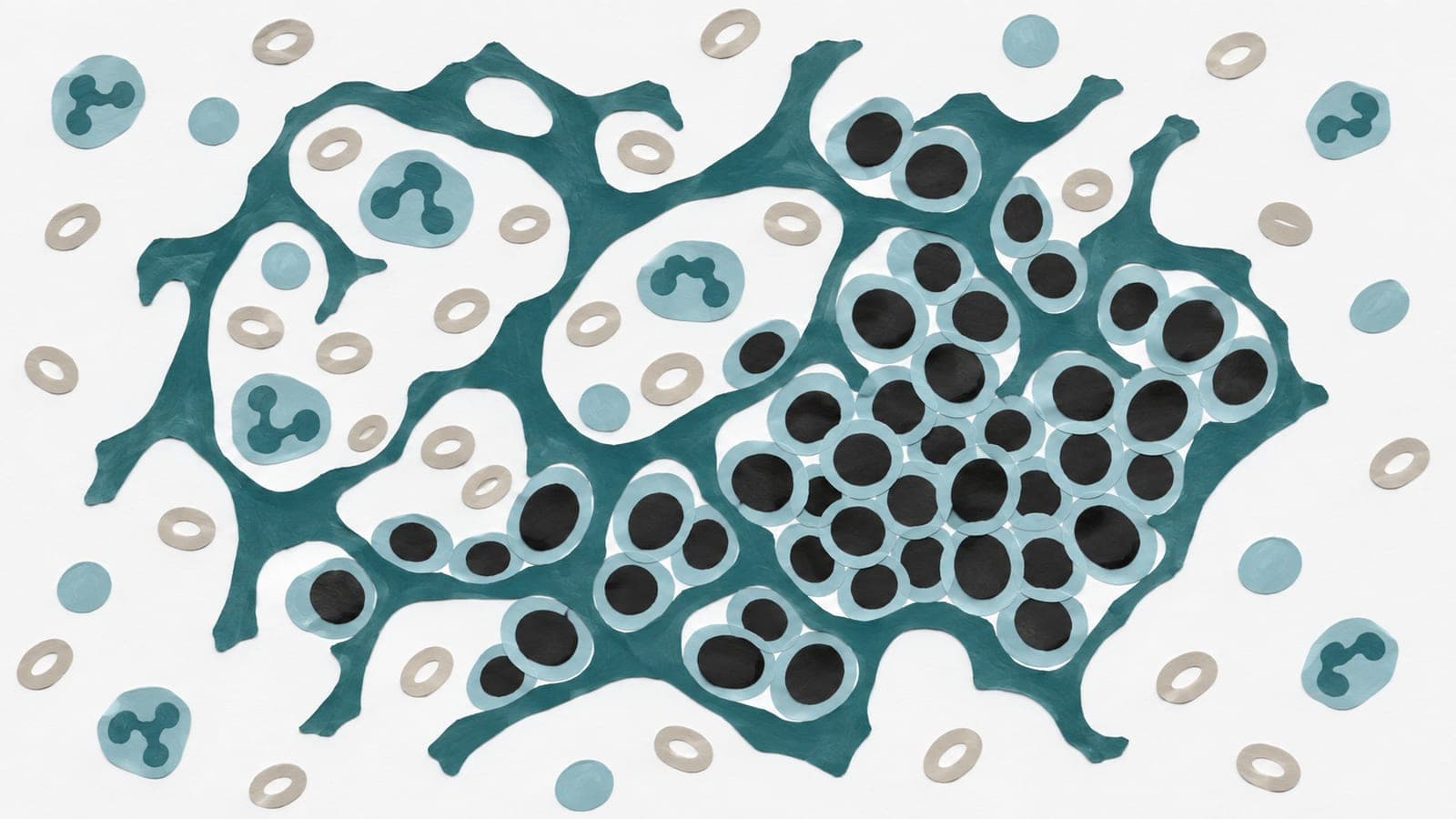
The sickle cell mice developed early aging-like changes. Blood production shifted toward myeloid cells, which include several kinds of immune cell. Mutations in blood-forming stem and precursor cells resembled those seen in aged mice and humans. A high proportion developed abnormal blood formation resembling myelodysplastic syndrome, a bone marrow disorder. They also had a greater burden of cell clones—groups descended from one cell. Repeated blood-forming stem cell transplants imposed regenerative stress and increased mutations, leading to the emergence or expansion of clones carrying cancer-driving mutations.
Why it matters
As more people with sickle cell disease survive into adulthood, understanding their increased blood-cancer risk matters. The authors suggest that early curative therapies may help avoid this risk.
Caveats
Repeated stem cell transplants tested regenerative stress in mice; they cannot determine the risk from a single transplant in a person with sickle cell disease.
Where the evidence stands
Hematopoietic stem cell transplantation
- 16 independent labs in 10 countries
- 71 trials, 9 with no results posted
- Funders: National Institutes of Health and others
- 4 of 26 findings with company ties
Stem cell differentiation
- 267 independent labs in 37 countries
- 19 findings against
- Funders: National Natural Science Foundation of China and others
- 34 of 493 findings with company ties
- Hematopoietic stem cell transplantation
- Stem cell differentiation
- Sickle cell disease
- Myelodysplastic features
- Clonal hematopoiesis burden
- Mice
The paper
University of Cincinnati College of Medicine
Blood, Nov 16, 2026, CC BY-NC-ND
Comments
Be the first to comment.