Urinary cadmium linked to higher immune marker levels
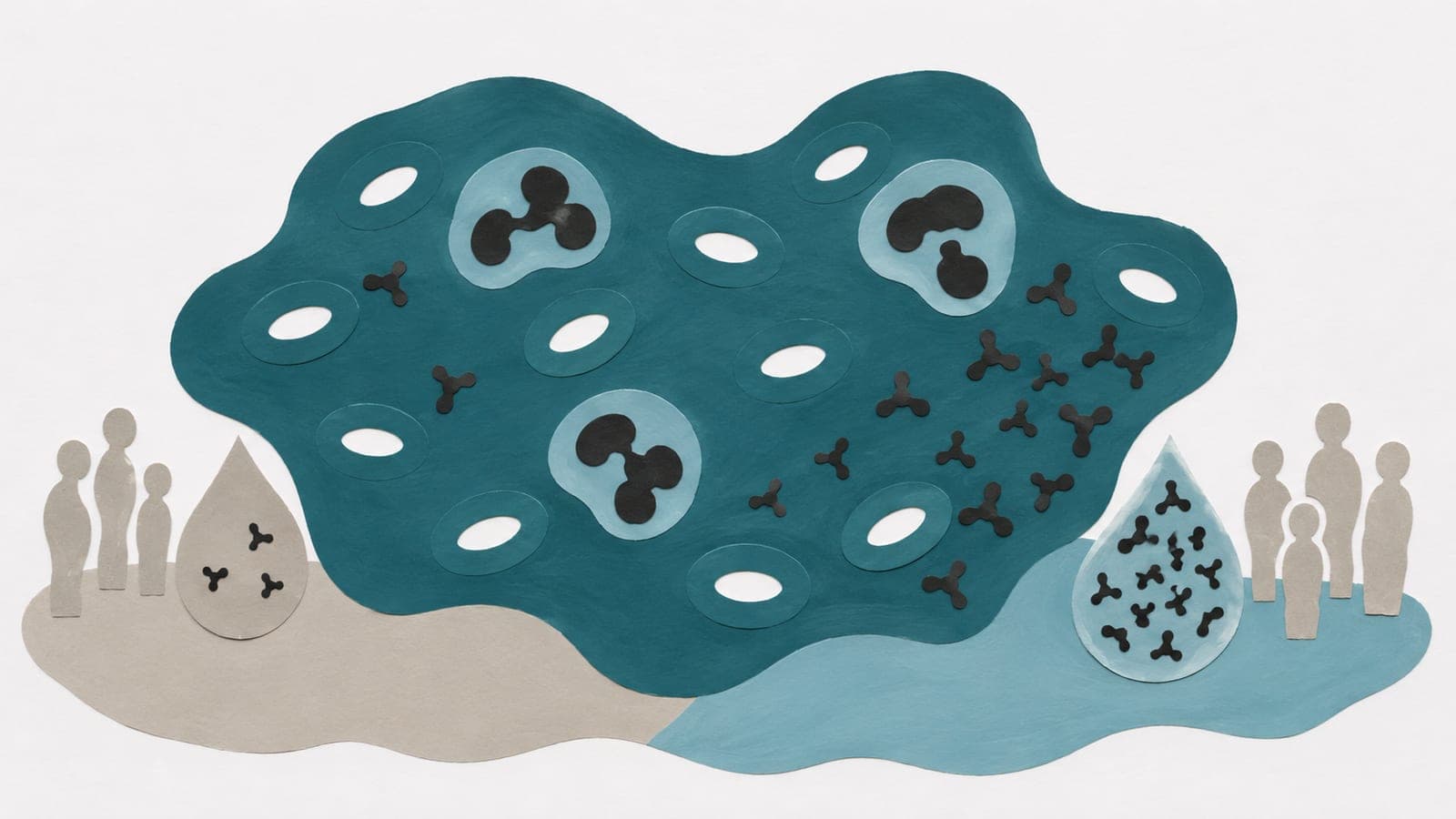
An increase in urinary cadmium spanning the middle half of measured levels was associated with 7.99% higher levels of an immune-activation marker.
Our read
Populations- Studied:
- Cohort study of 5,148 adults free of clinical CVD, median 14.7 years
- What changed:
- suPAR was 7.99% higher per interquartile-range increase in urinary cadmium
- The catch:
- Participants had no clinical cardiovascular disease, limiting applicability to people with existing disease
- In the record:
- The 117th paper on cadmium with results in people; 232 on record in all. Its result on mortality agrees with all 6 other findings on record.
Editor of record: Boris Djordjevic · AgingResearch.News
An observational study followed 5,148 adults without clinical cardiovascular disease at enrollment in 2000–2002. Researchers analyzed 11 urinary metals and soluble urokinase plasminogen activator receptor (suPAR), a blood marker of immune activation.
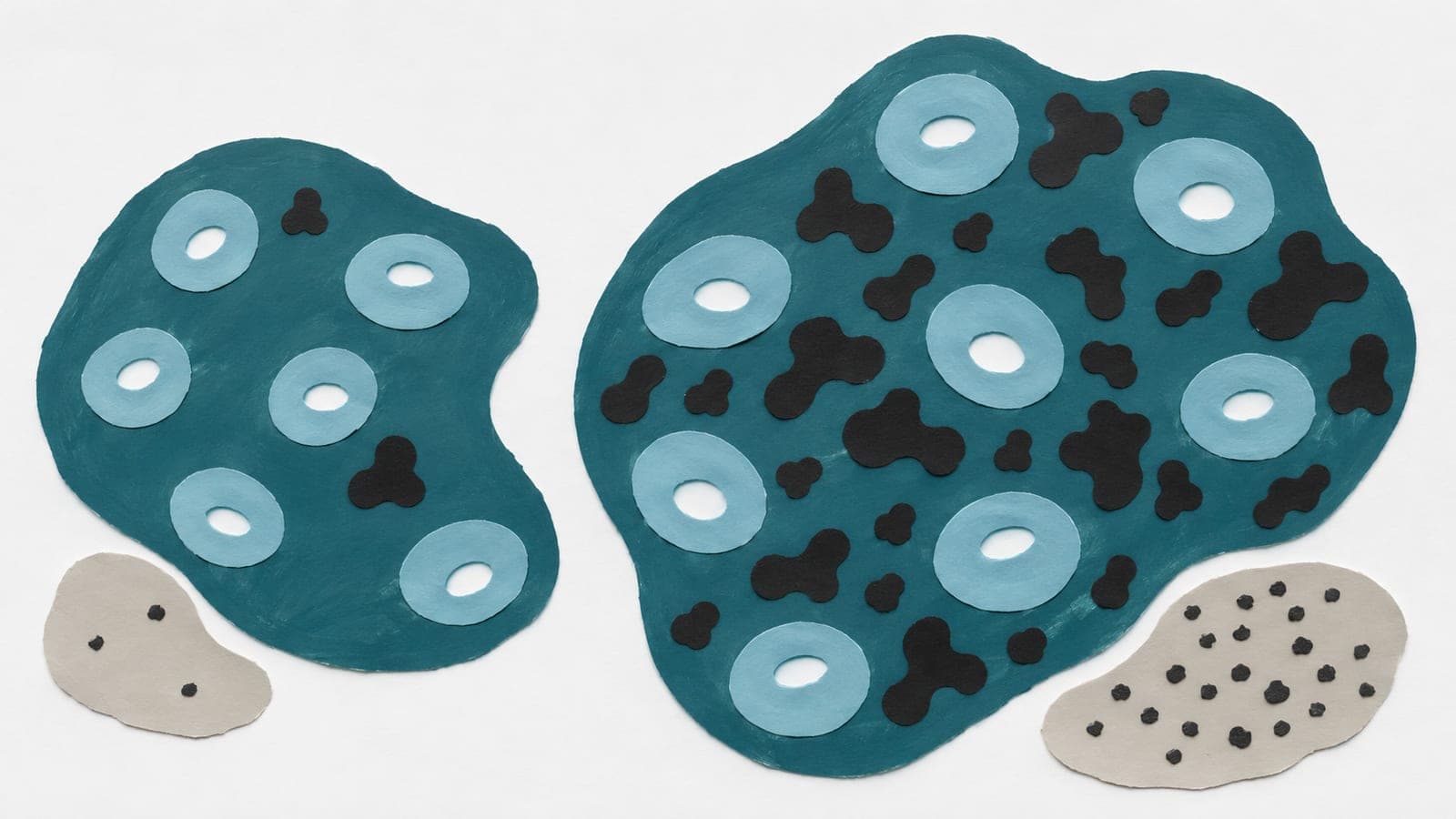
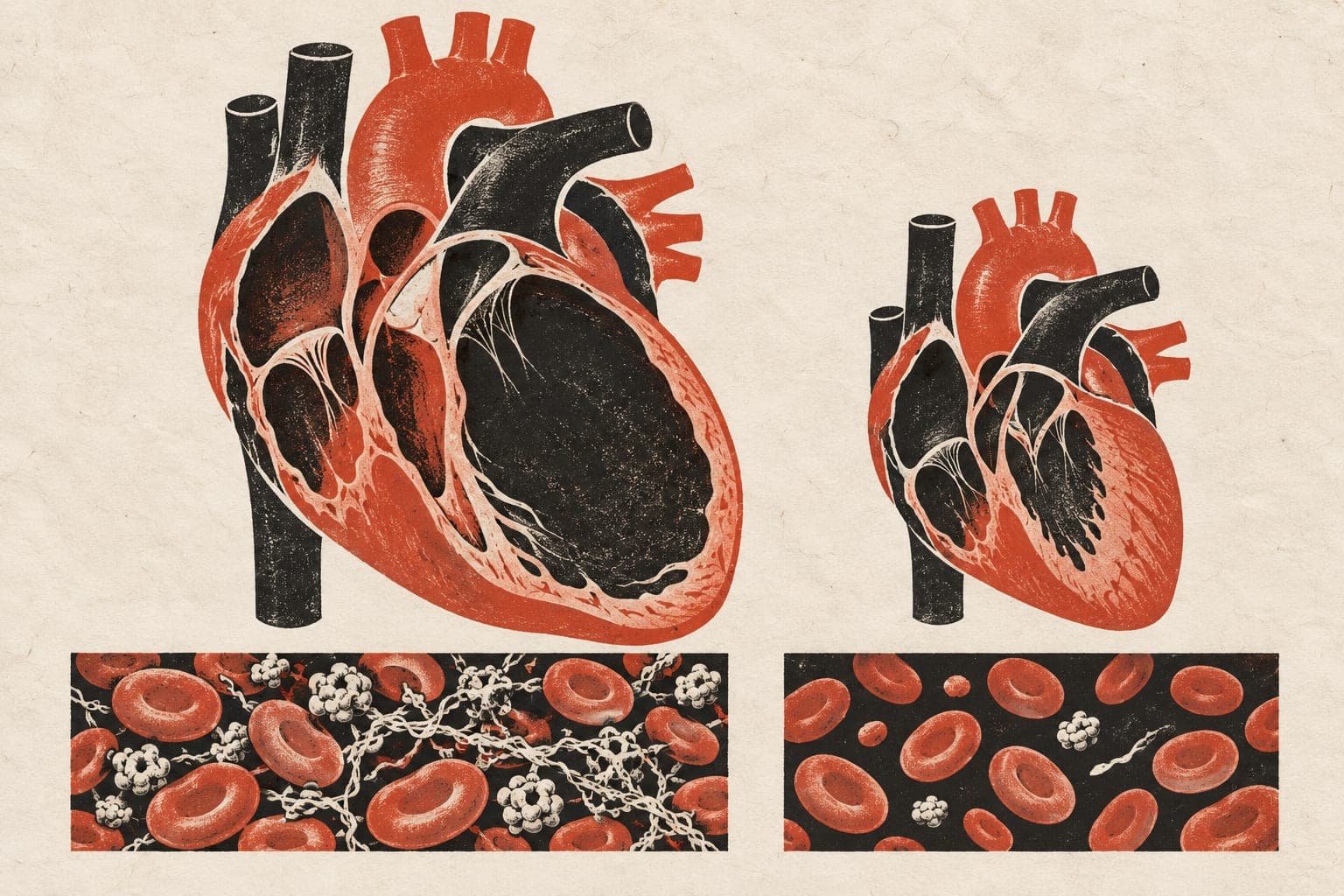
Seven metals were associated with suPAR. Cadmium had the strongest association, which persisted among people who had never smoked. It was more strongly associated with suPAR than with three other markers. Over a median 14.7 years, participants in the highest quarter of urinary cadmium had a higher risk of death from any cause than those in the lowest quarter (hazard ratio 1.43, a relative measure of risk). An exploratory analysis identified a component of the cadmium–death association linked to suPAR. Findings for cardiovascular outcomes pointed in the same direction but were not definitive.
Why it matters
Immune activation offers a possible focus for investigating how environmental metal exposure relates to mortality and lifespan.
Caveats
This observational study cannot establish that cadmium caused immune activation or death; the proposed pathway needs longitudinal and mechanistic confirmation. The participants initially had no clinical cardiovascular disease, limiting applicability to people with existing disease.
Where the evidence stands
Cadmium
- 81 independent labs in 17 countries
- 9 findings against
- Funders: National Natural Science Foundation of China and others
- 2 of 187 findings with company ties
Barium
- 9 independent labs in 2 countries
- 2 trials
- Funders: National Natural Science Foundation of China and others
The paper
University of Massachusetts Chan Medical School; University of Michigan
Journal of the American Heart Association, Nov 2, 2026, Open access
Presented at AHA Scientific Sessions 2025 as an abstract
Presented at AHA Scientific Sessions 2026 as an abstract
Presented at AHA Scientific Sessions 2026 as an abstract
Comments
Be the first to comment.