Metal mixtures linked to abnormal blood fats in older adults
An observational study comparing 436 new cases with 872 controls during 2019–2023 linked urinary metal mixtures to dyslipidemia, or abnormal blood fat levels.
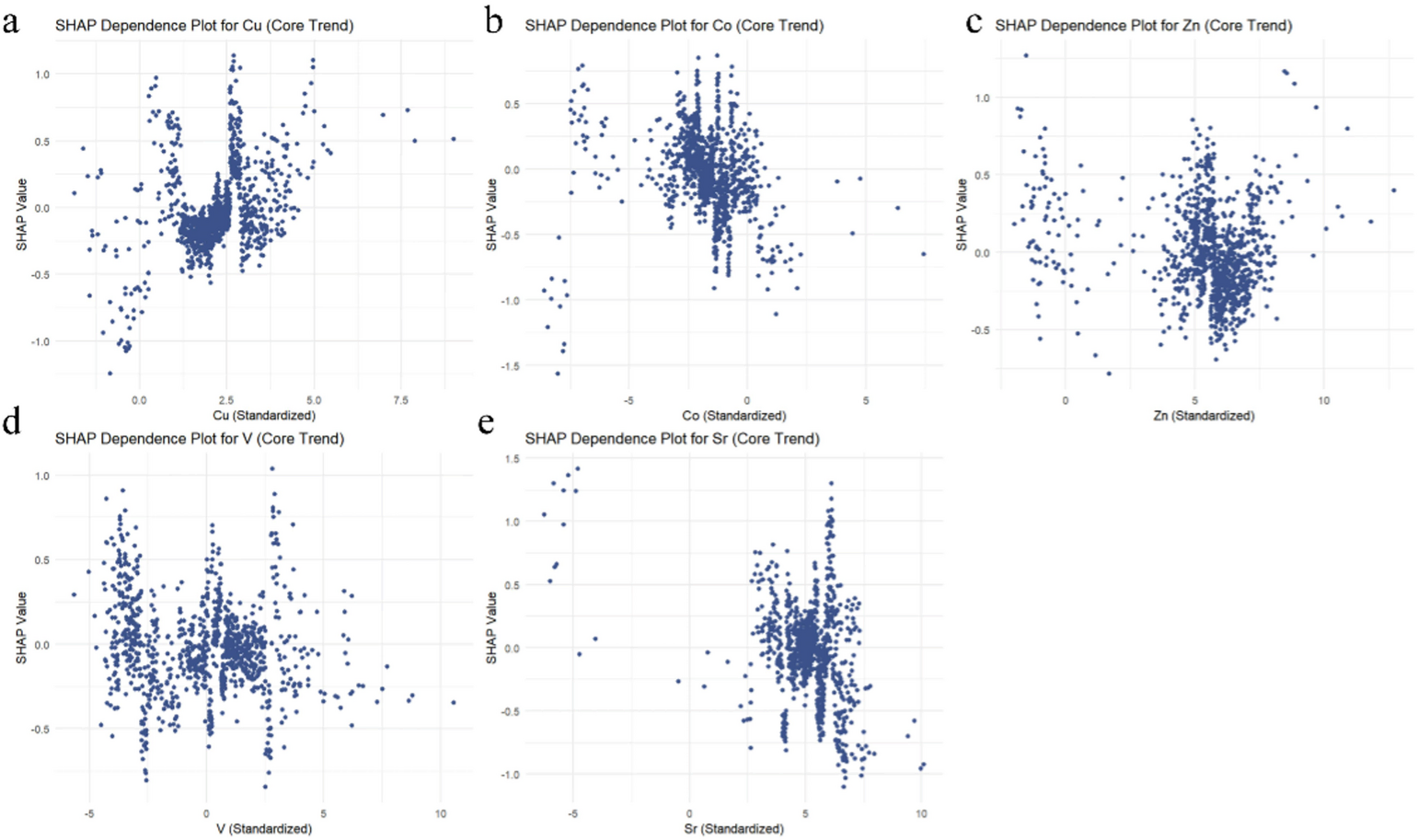
872 participants, dose-response
Limit: The proposed interactions between metals rested on exploratory analyses
Community-dwelling older adults in Yinchuan took part in an observational case-control study comparing 436 people who developed dyslipidemia—abnormal blood fat levels—with 872 matched controls. Researchers selected participants from a group followed from 2019 to 2023 and measured 13 metals in urine.
Mixtures of metals at low concentrations were associated with higher dyslipidemia risk. Higher copper and cadmium levels also showed trends toward higher risk. Models suggested that some associations followed curved rather than straight-line patterns as metal concentrations rose. Exploratory analyses supported possible interactions between copper and strontium and between vanadium and zinc.
Why it matters
Abnormal blood fat levels are common among adults aged 50 or older and contribute to deaths from cardiovascular disease. Understanding associated exposures may help inform public health approaches for older adults.
Caveats
This observational study could not establish that metals caused dyslipidemia, and the proposed interactions were exploratory. The findings concern community-dwelling older adults in one cohort, not younger people.
The paper
Longitudinal metal mixture interactions and dyslipidemia in a prospective nested case control study
Shanxi Medical University; Ningxia Medical University
Scientific Reports, Oct 16, 2026, Open access, CC BY-NC-ND