Inflammation may link ultra-processed foods to heart disease
A statistical model attributed 35.7% of the link between ultra-processed food intake and cardiovascular disease to inflammation markers and a weight measure.
Our read
Mechanisms- Studied:
- Cohort study of 6,237 participants in the Multi-Ethnic Study of Atherosclerosis
- What changed:
- Inflammation markers and body mass index accounted for 35.7% of the link between ultra-processed foods and heart disease in a model
- The catch:
- Diet and inflammation were measured together; inflammation could influence food choices
- In the record:
- The 144th paper on ultra-processed foods with results in people; 209 on record in all.
Editor of record: Boris Djordjevic · AgingResearch.News
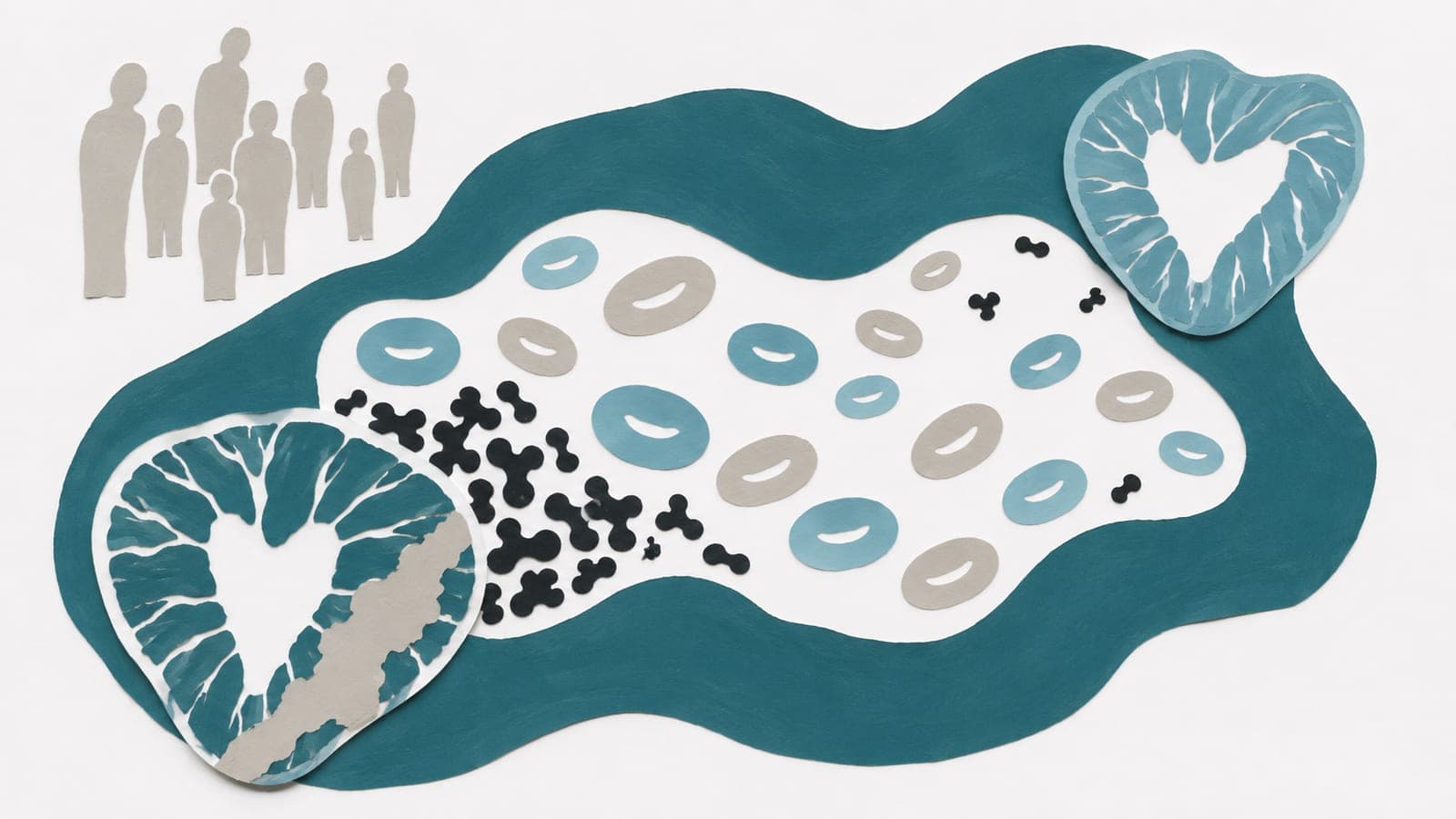
The 6,237 participants in the Multi-Ethnic Study of Atherosclerosis reported their diets by questionnaire in a prospective observational study. Researchers examined associations with blood markers of inflammation, later body composition measurements and cardiovascular disease.
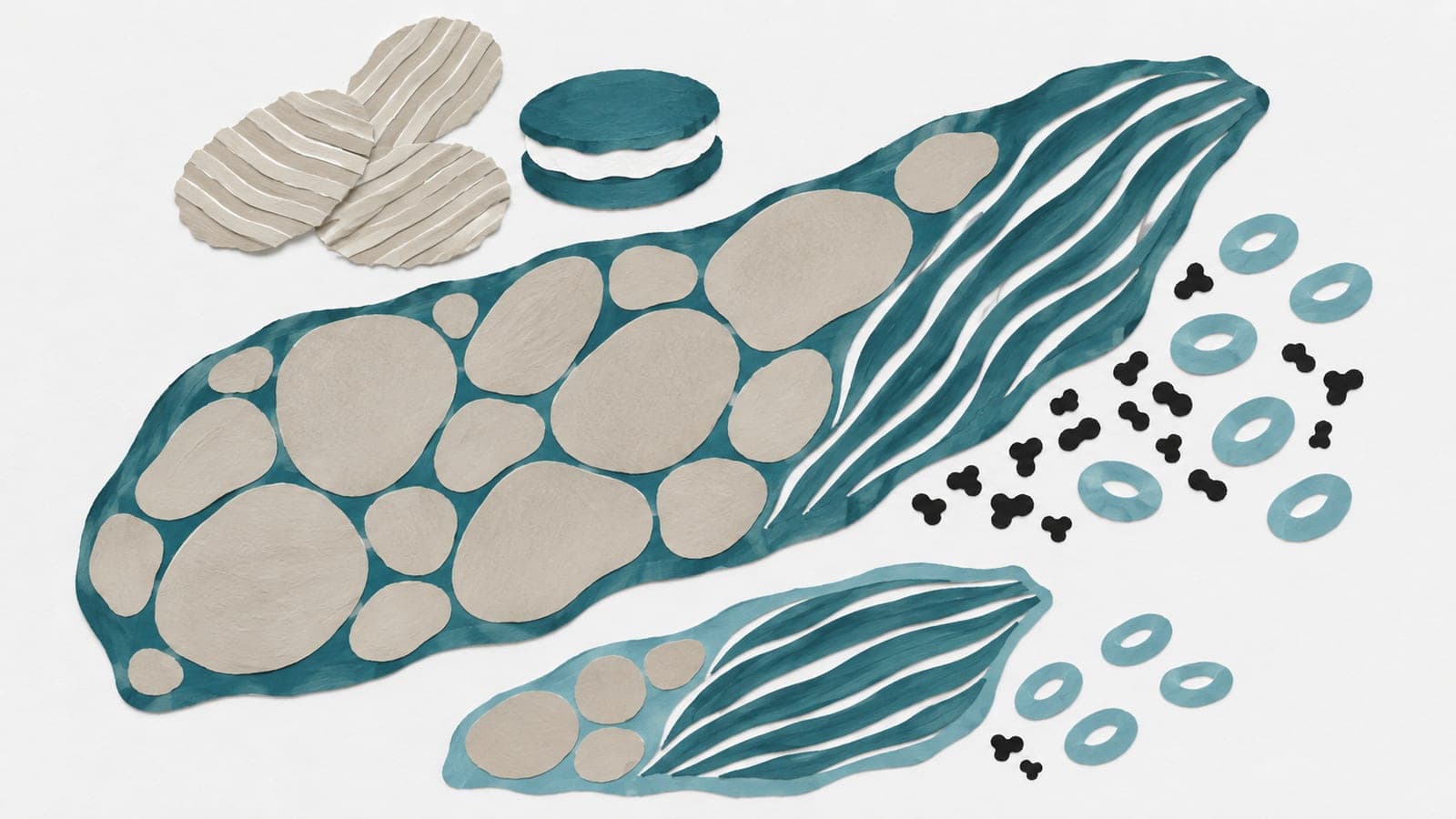
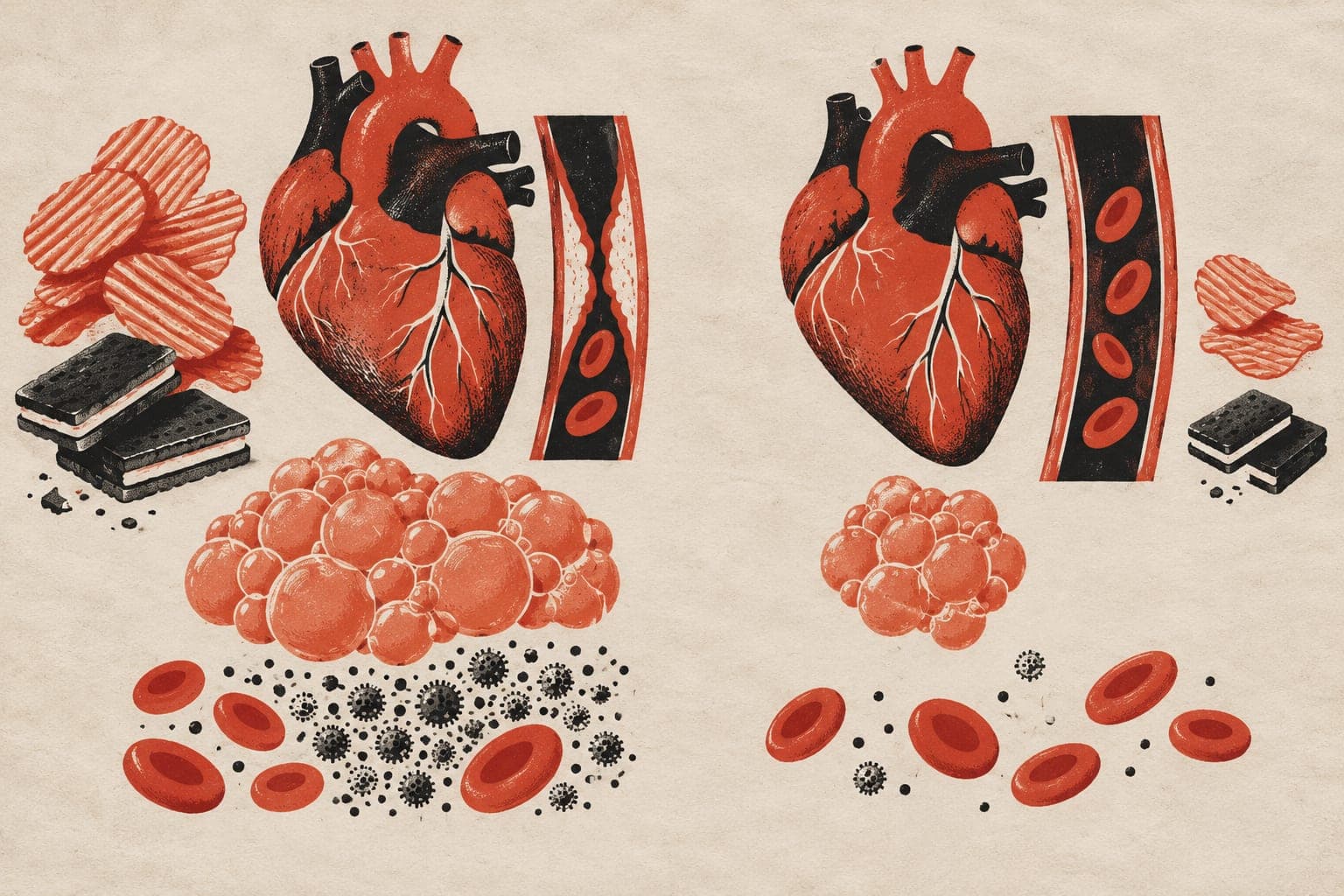
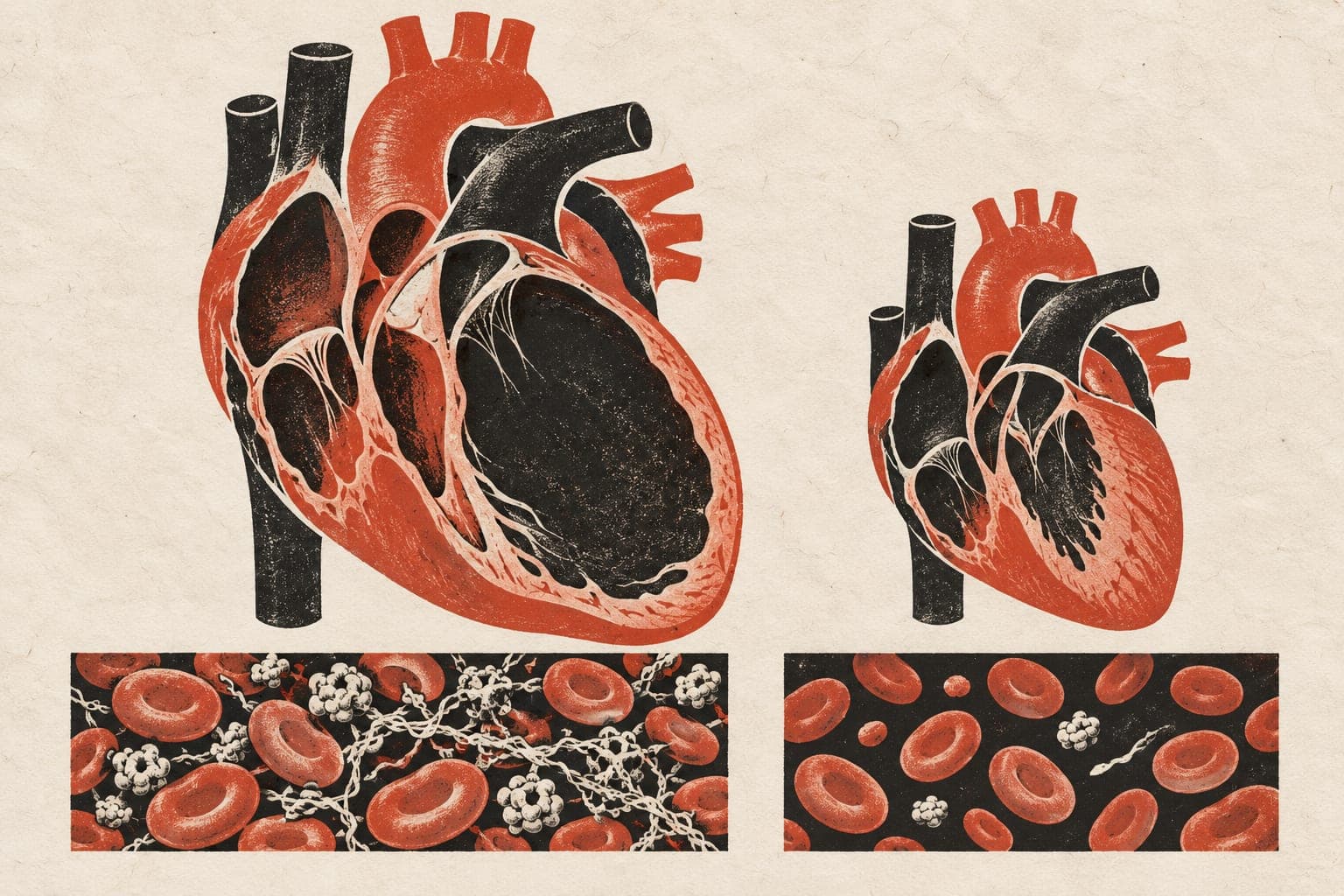
Higher ultra-processed food intake was associated with higher inflammation markers, more body fat and less lean mass. A statistical model attributed 35.7% of the food–disease association to two inflammation markers and body mass index, a measure of weight relative to height. Interleukin-6, one of those inflammation markers, accounted for 23.8% of the association in the model. Among 3,034 participants with paired heart scans, intake did not significantly predict progression of calcium deposits in coronary arteries.
Why it matters
Cardiovascular disease is a concern as people age. The authors proposed inflammation and body composition as targets for efforts to reduce cardiovascular risk associated with ultra-processed foods.
Caveats
Diet and inflammation were measured at the same initial visit, so inflammation may also have influenced food choices. Reported in a conference abstract, the analysis did not test whether changing the proposed pathways reduced cardiovascular risk.
The paper
Internal Medicine; Bruce W. Carter Miami VA Med Cntr
AHA Scientific Sessions 2026 Abstract, Nov 2, 2026
Presented at AHA Scientific Sessions 2026, abstract 9640

Comments
Be the first to comment.