Urinary cadmium linked to higher blood inflammation marker
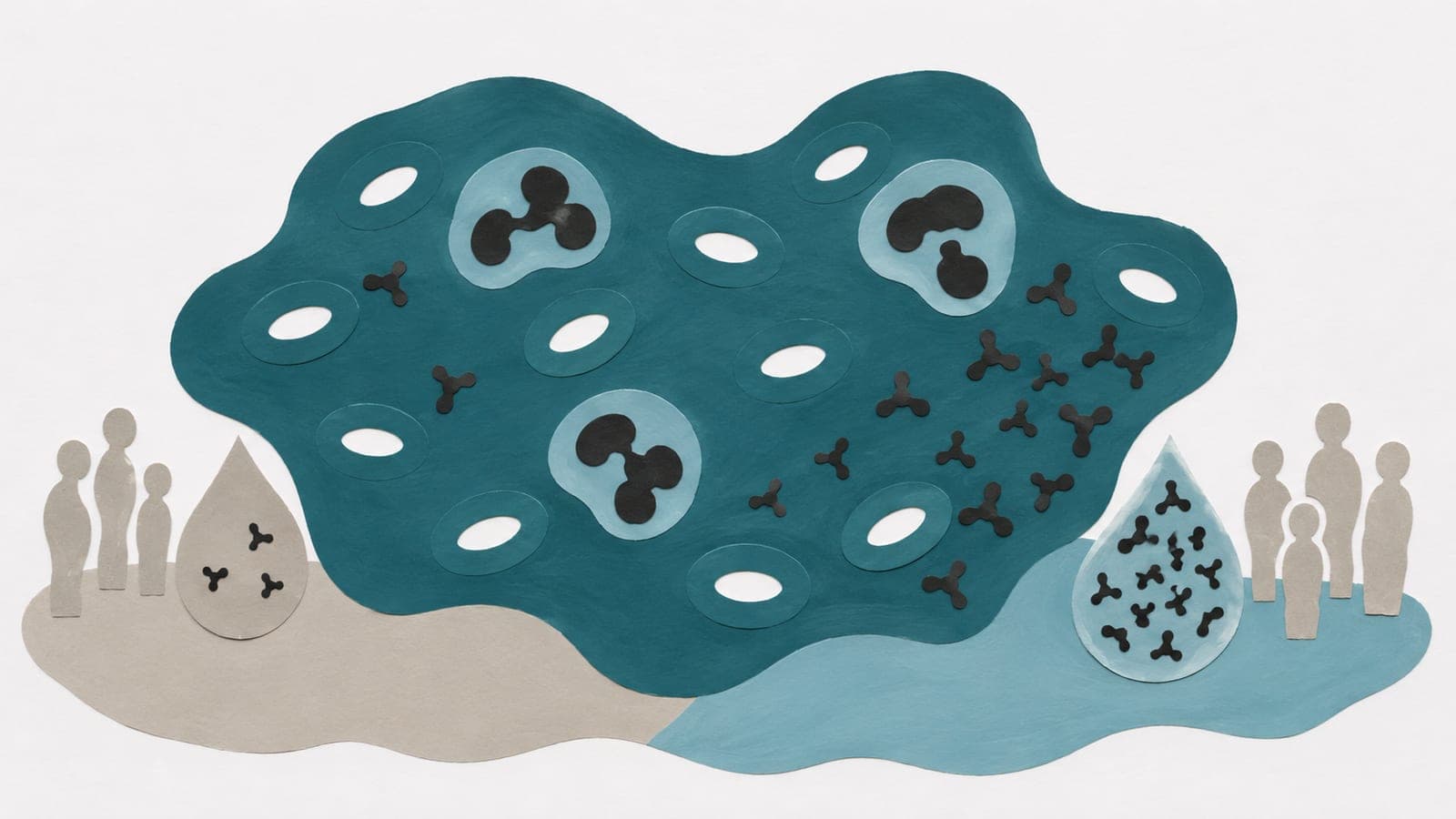
Each increase spanning the middle half of urinary cadmium measurements was linked to 7.81% higher levels of a marker of chronic inflammation.
Our read
Populations- Studied:
- Cohort study of 5,178 US adults, median 14.7 years (Dose-response)
- What changed:
- Serum suPAR was 7.81% higher for each IQR increase in urinary cadmium
- The catch:
- Unmeasured health or exposure differences could have influenced both cadmium and suPAR
- In the record:
- The 116th paper on cadmium with results in people; 232 on record in all. Its result on mortality agrees with all 6 other findings on record.
Editor of record: Boris Djordjevic · AgingResearch.News
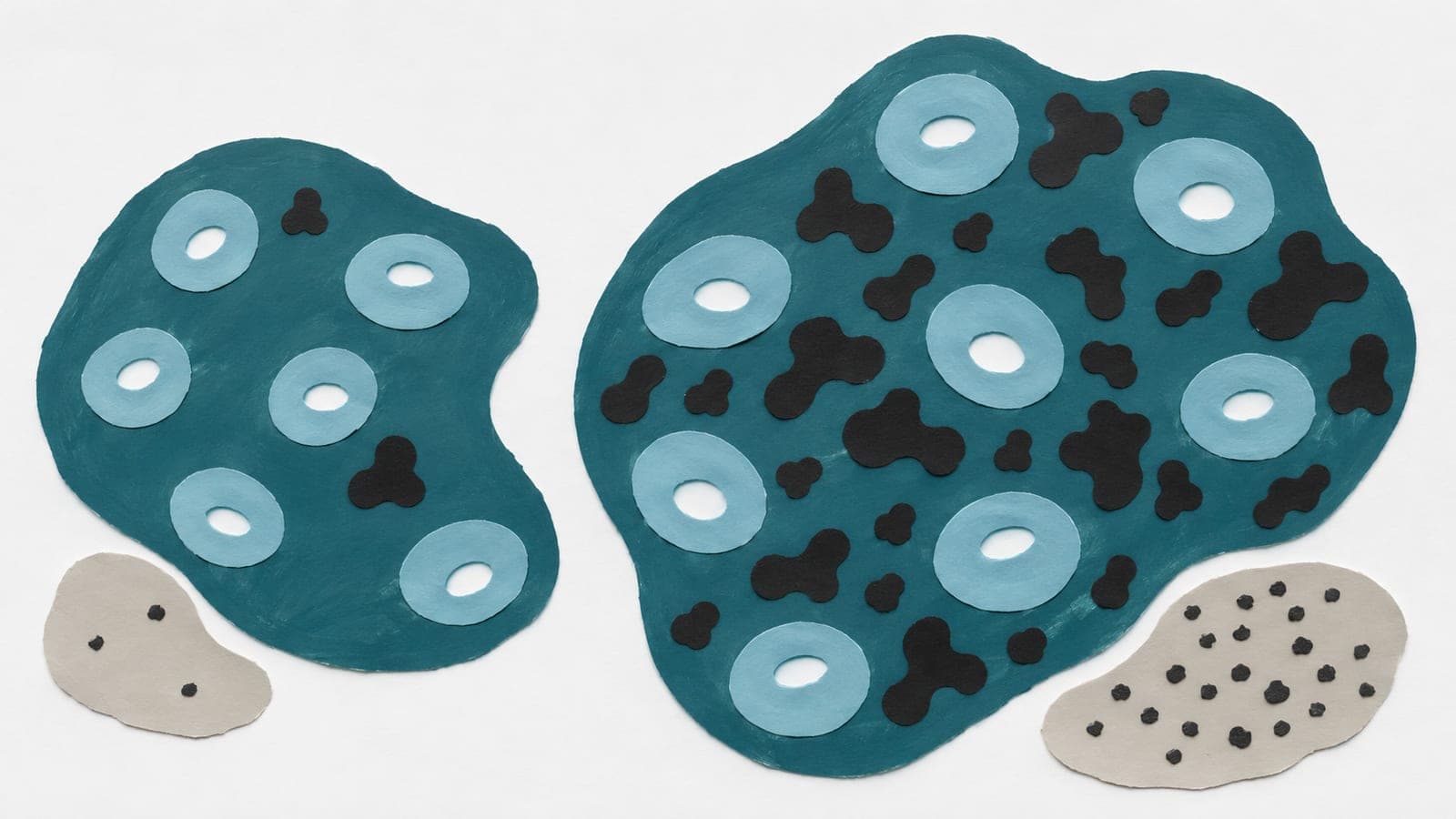
A multi-ethnic group of 5,178 US adults, averaging 62.8 years old and including 48.4% women, took part in an observational cohort study. Researchers measured urinary cadmium, a metal, and blood levels of soluble urokinase plasminogen activator receptor, a marker of chronic inflammation.
Higher urinary cadmium was associated with higher marker levels after accounting for smoking, kidney function and cardiovascular risk factors. The link also appeared in people who had never smoked. Higher urinary cadmium was also associated with death from any cause over a median 14.7 years. A statistical analysis comparing the highest and lowest quarters of cadmium levels attributed approximately 27% of the cadmium–mortality association to an indirect pathway involving the marker.
Why it matters
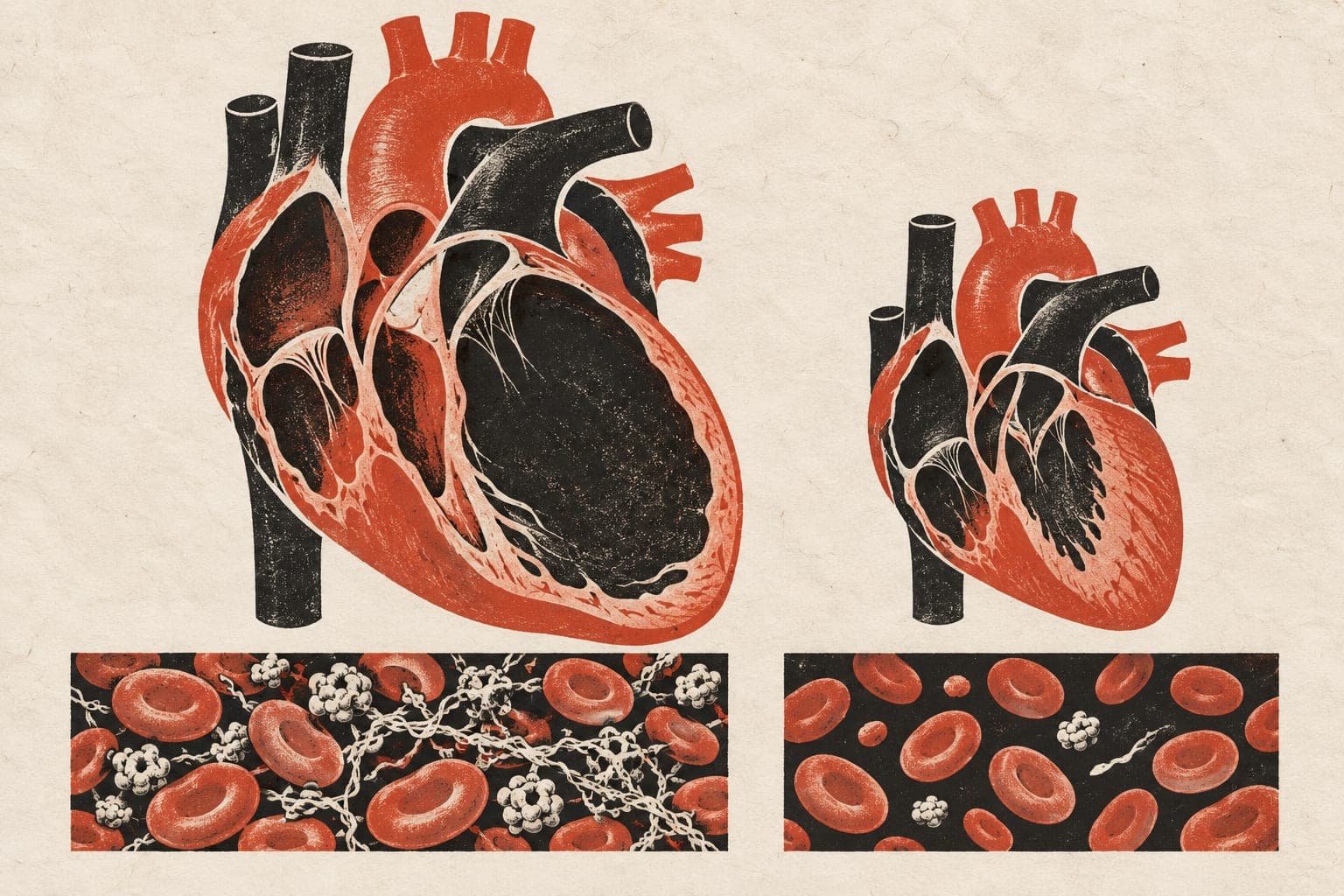
The authors proposed this inflammatory pathway as a candidate link between chronic cadmium exposure, cardiovascular risk and long-term survival.
Caveats
The analysis could not determine whether cadmium raised the inflammation marker; unmeasured health or exposure differences could have influenced both. The findings were reported in a conference abstract.
- Cadmium
- Inflammation
- Urinary cadmium
- Soluble urokinase plasminogen activator receptor
- Urinary creatinine
- Humans
The paper
University of Massachusetts Chan Medical School; The University of Texas Medical Branch at Galveston
AHA Scientific Sessions 2026 Abstract, Nov 2, 2026
Presented at AHA Scientific Sessions 2026, abstract 18297. Published as Urinary Metals, Soluble Urokinase Plasminogen Activator Receptor, and Outcomes in the Multi‐Ethnic Study of Atherosclerosis

Comments
Be the first to comment.