Blocking a collagen-linking enzyme improved heart failure in rats
Male rats with heart failure had heart relaxation times of 25.24 milliseconds with the inhibitor, compared with 27.20 milliseconds without it.
Our read
Mechanisms- Studied:
- Experiments in obese ZSF1 rats with induced heart failure, against male rats without the inhibitor
- What changed:
- Heart relaxation time was lower in treated male rats: 25.24 milliseconds against 27.20 milliseconds without the inhibitor
- The catch:
- The untreated male heart-relaxation comparison reports only n=7
Editor of record: Boris Djordjevic · AgingResearch.News
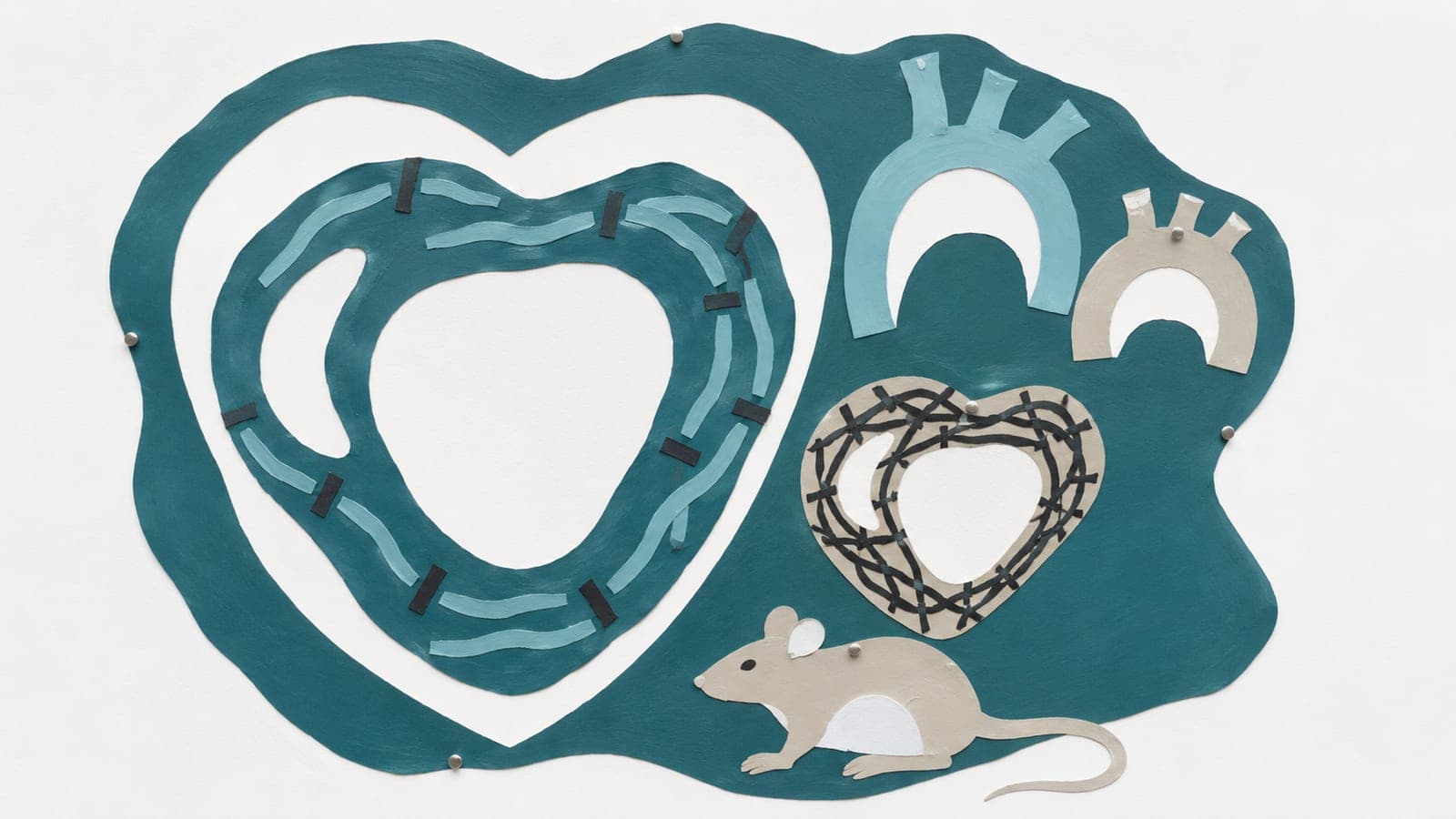
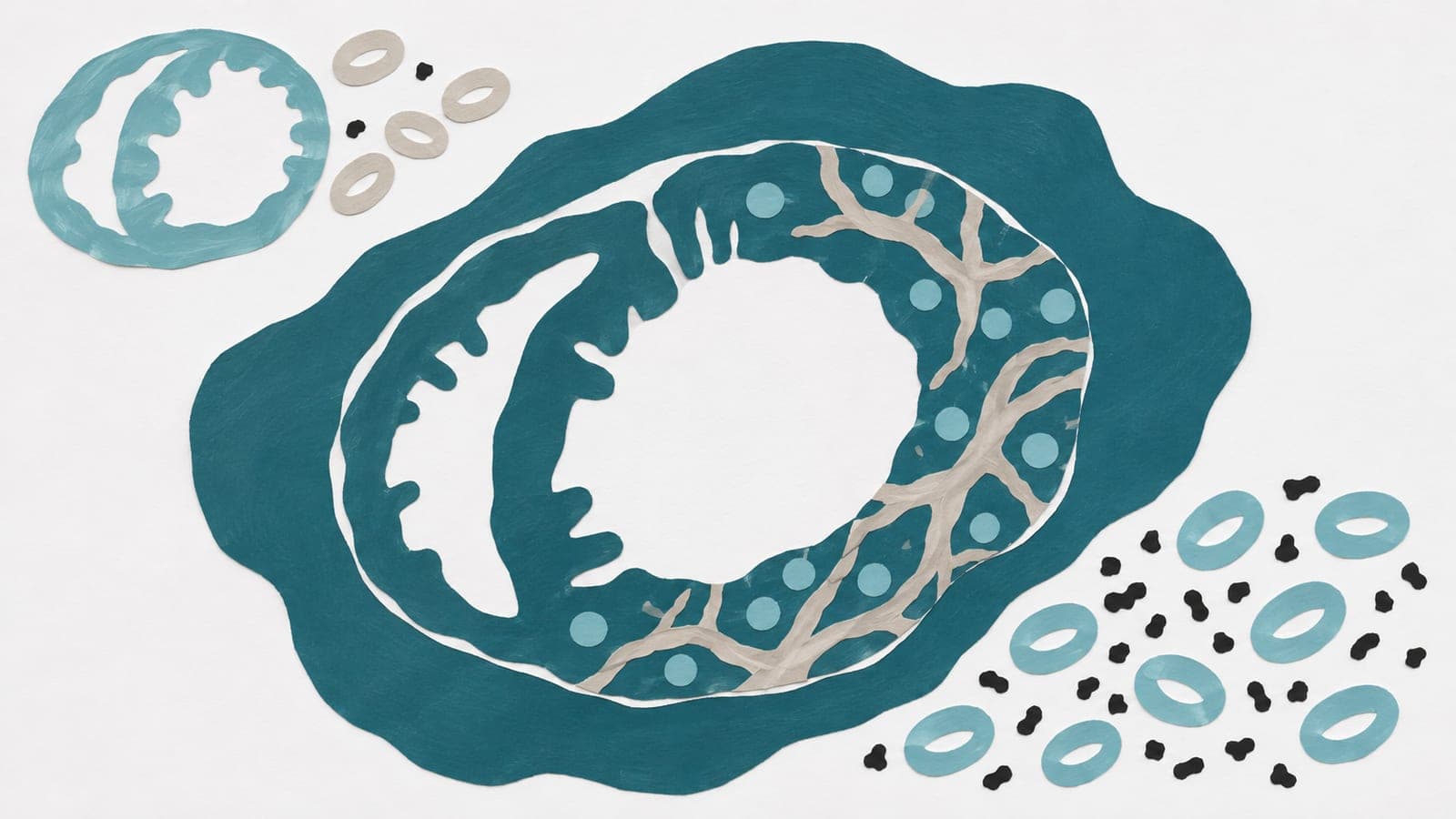
Obese ZSF1 rats given Sugen were used in an animal experiment on heart failure with preserved ejection fraction, in which the heart retains its pumping ability. The researchers tested PAT1251, which inhibits LOXL2, an enzyme that links fibers of the structural protein collagen.
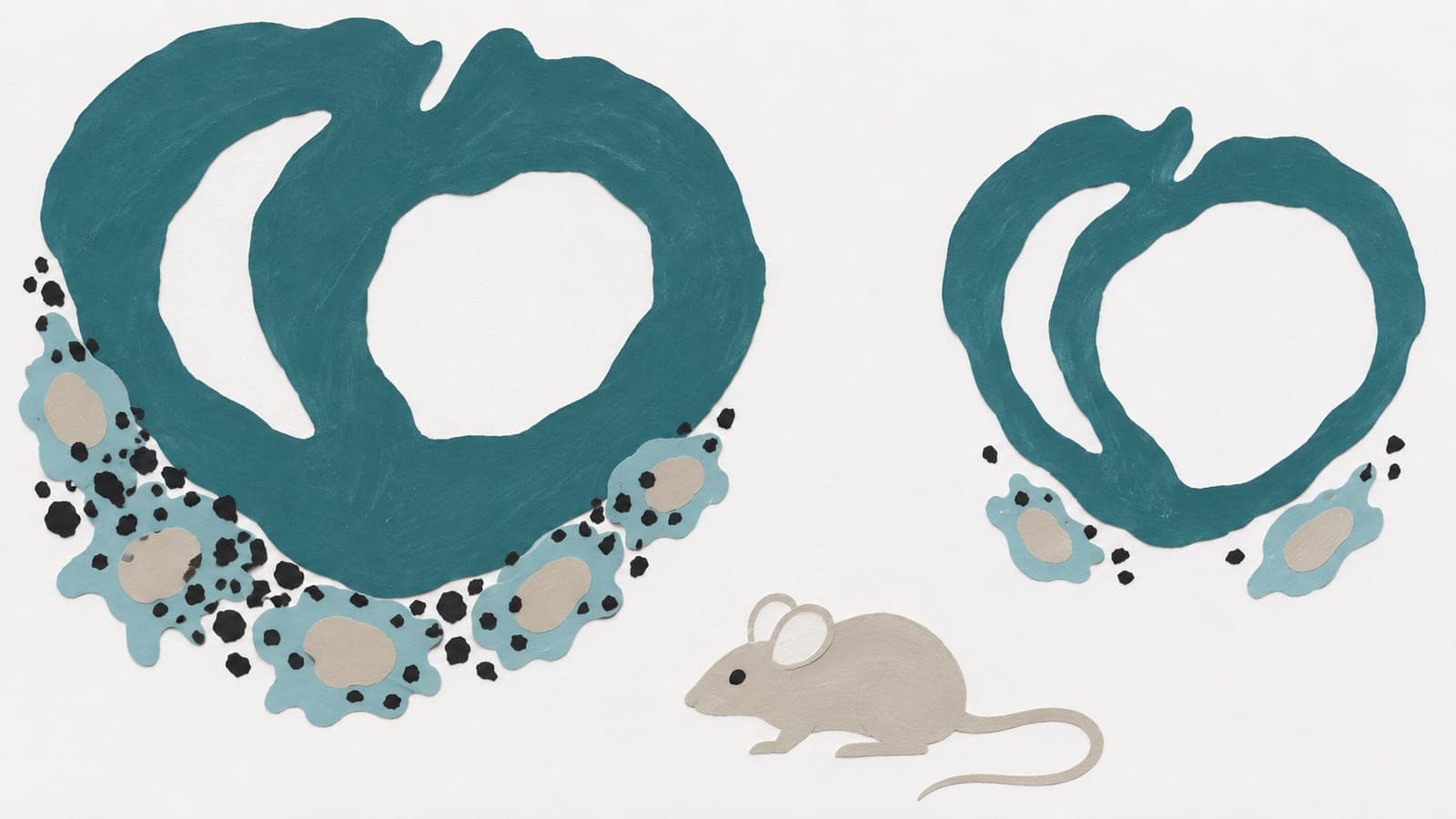
Male rats developed pronounced heart dysfunction, while females before menopause were protected. After ovary removal, females developed a more pronounced disease pattern, though it was less severe than in males. The authors reported that PAT1251 reversed the heart failure pattern in both sexes, with benefits particularly in males. It also reduced the increased stiffness of the aorta, the body’s main artery. The drug did not change body weight, heart rate or blood pressure.
Why it matters
Heart failure with preserved ejection fraction disproportionately affects women after menopause. The findings support further investigation of LOXL2 as a target for the structural heart changes involved in this disease.
Caveats
The results came from an experimentally induced rat model, with ovary removal used to represent menopause. The conference abstract does not give the drug’s dose or treatment duration.
- PAT1251
- LOXL2
- Extracellular matrix remodeling
- Obesity
- Heart failure with preserved ejection fraction
- Rats
The paper
LOXL2 Inhibition Reverses HFpEF in Male ZSF1 Rats, While Females Are Protected
Johns Hopkins University
AHA Scientific Sessions 2026 Abstract, Nov 2, 2026
Presented at AHA Scientific Sessions 2026, abstract 10703


Comments
Be the first to comment.