Age and Gender Disparities in Burden of Hypertensive Heart Disease Attributable to Lead Exposure from 1990 to 2021: A Global Benchmarking Analysis
Cohort study, multicentre
Abstract
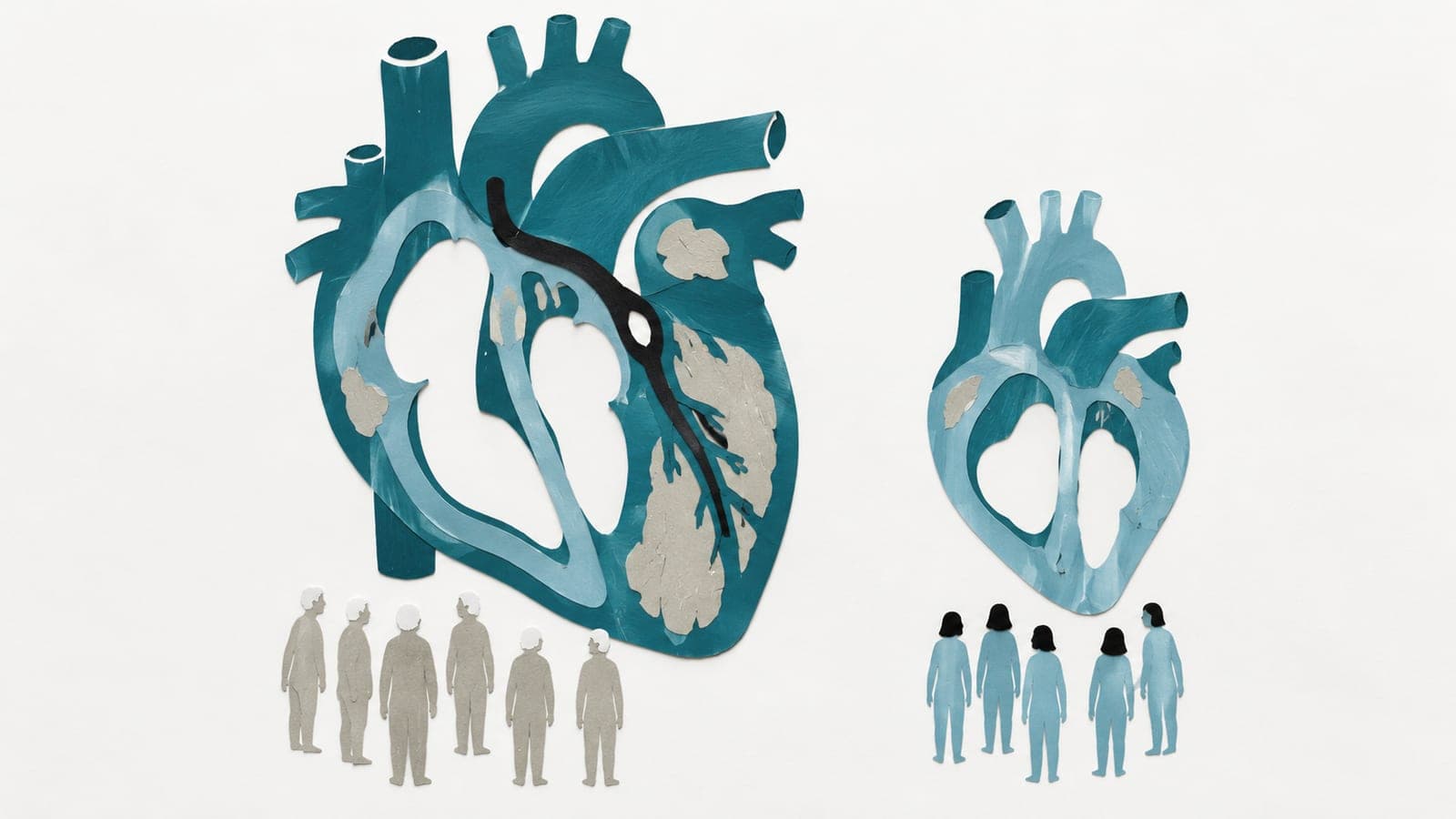
Age and Gender Disparities in Burden of Hypertensive Heart Disease Attributable to Lead Exposure from 1990 to 2021: A Global Benchmarking Analysis Background: Hypertensive heart disease (HHD) remains a major global contributor to cardiovascular mortality and morbidity. Lead exposure is a recognized environmental risk factor that exacerbates hypertension and its complications. This study aims to evaluate the age-specific burden of HHD attributable to lead exposure across the years 1990, 2000, and 2021, focusing on trends in mortality, disability-adjusted life years (DALYs), and years lived with disability (YLDs). Methods: We estimated deaths, DALYs, and YLDs due to HHD attributable to lead exposure, stratified by 5-year age group, sex, year and location across the 204 countries and territories from 1990-2021 using standardized global burden of disease study 2021 methodology. Annualized percentage changes (APC) were calculated for multiple time intervals to assess temporal and sex-specific trends. Result: From 1990 to 2021, deaths due to hypertensive heart disease attributable to lead exposure increased by 83% (95% UI: 6%–137%), DALYs rose by 50% (4%–92%), and YLDs surged by 150% (27%–176%). Regionally, the greatest increase in total percentage change (TPC) in deaths occurred in South Asia (146%), followed closely by Central Europe, Eastern Europe, and Central Asia (139%), Latin America and the Caribbean (81%), and North Africa and the Middle East (79%). Stratified by socio-demographic index (SDI), the most pronounced rise in deaths was observed in high SDI regions (146%), with notable increases also recorded in low-middle SDI (97%), high-middle SDI (96%), low SDI (76%), and middle SDI (63%). Age-specific trends revealed minimal change in individuals aged 20–54 years (1% increase), while those aged 55 years and above exhibited a substantial 94% rise in DALYs. In the same older age group, YLDs increased by 65% during the study period. Gender-disaggregated analysis showed a disproportionately greater increase among females compared to males: deaths rose by 92% vs. 74%, DALYs by 57% vs. 43%, and YLDs by 170% vs. 134%, respectively. Conclusion: The burden of hypertensive heart disease attributable to lead exposure has significantly increased over the past three decades, with disproportionately higher impacts among older adults, high-SDI regions, and females, underscoring the need for targeted environmental and cardiovascular interventions.
The paper
GCS Medical College; WellStar Health System
AHA Scientific Sessions 2025 Abstract, 3 Nov 2025
Presented at AHA Scientific Sessions 2025, abstract 4373512