Ischaemic heart disease links vary after menopause in China
Assuming causal links, reproductive factors accounted for an estimated 10.14% of heart disease cases overall, compared with 14.34% in the low socioeconomic group.
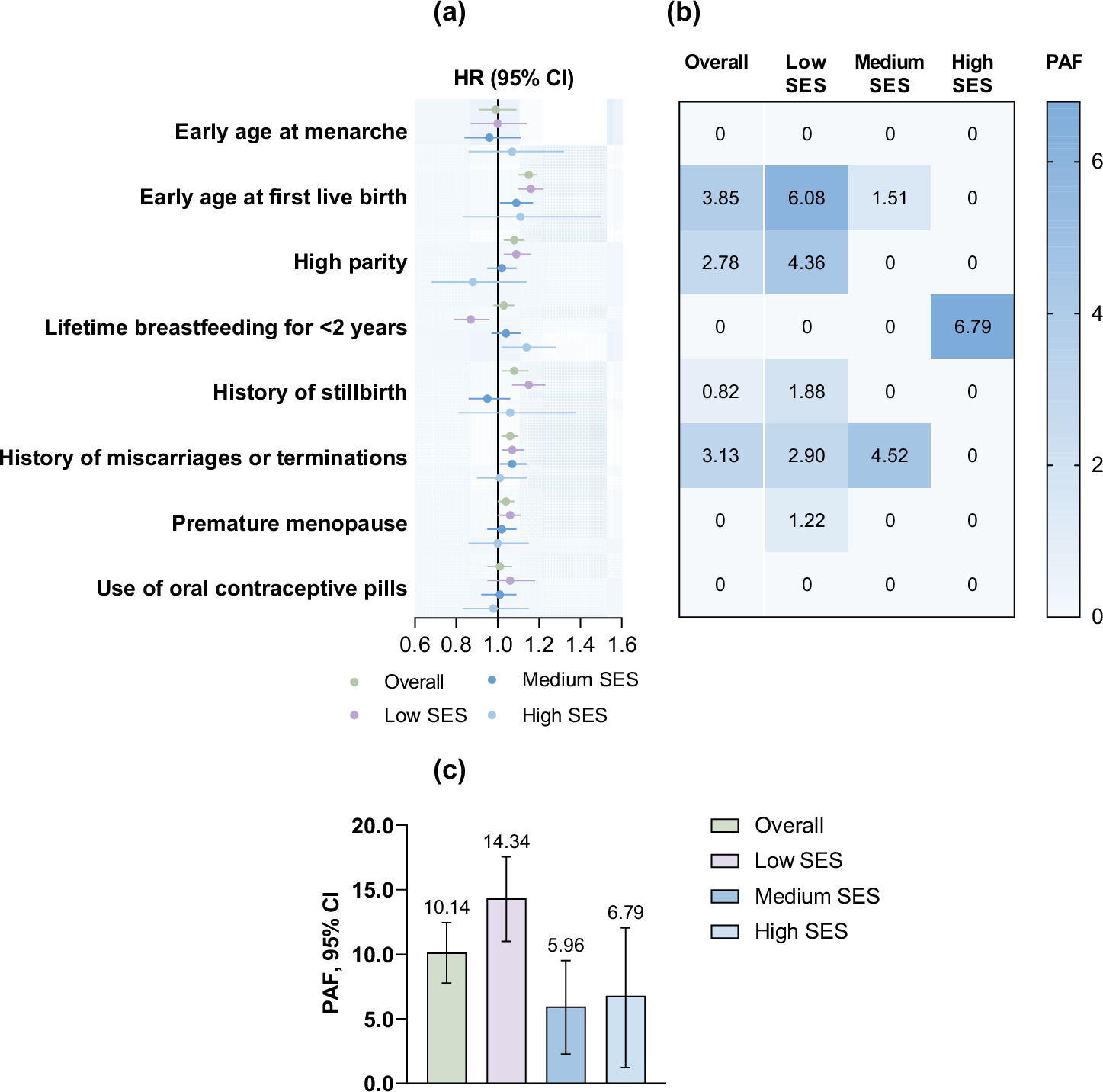
Researchers followed 134,405 postmenopausal women in the China Kadoorie Biobank in a prospective observational cohort study. During a median follow-up of 8.94 years, 14,805 developed ischaemic heart disease, in which too little blood reaches the heart muscle. Four of eight reproductive factors were associated with higher risk.
The estimated share of cases attributable to these factors, if the associations were causal, was 10.14% overall. It was highest in the low socioeconomic group, at 14.34%. Early age at first live birth was a leading contributor to this estimate in the low socioeconomic group. Lifetime breastfeeding of less than two years was a leading contributor in the high socioeconomic group.
Why it matters
For heart disease prevention after menopause, the authors highlighted the importance of considering socioeconomic circumstances across women’s lives.
Caveats
This observational study could not establish that reproductive factors caused heart disease or that changing them would prevent it. The findings concern postmenopausal women in China.
The paper
National University of Singapore; Second Affiliated Hospital of Zhejiang University
NPJ Aging, 14 Oct 2026, Open access, CC BY-NC-ND