Frailty with memory problems linked to later dementia
Among people with physical frailty, reported dementia odds ratios over 10 years were 2.024 for memory-only impairment and 2.733 when other thinking skills were also impaired.

10 years
Edited by Boris Djordjevic · AgingResearch.News
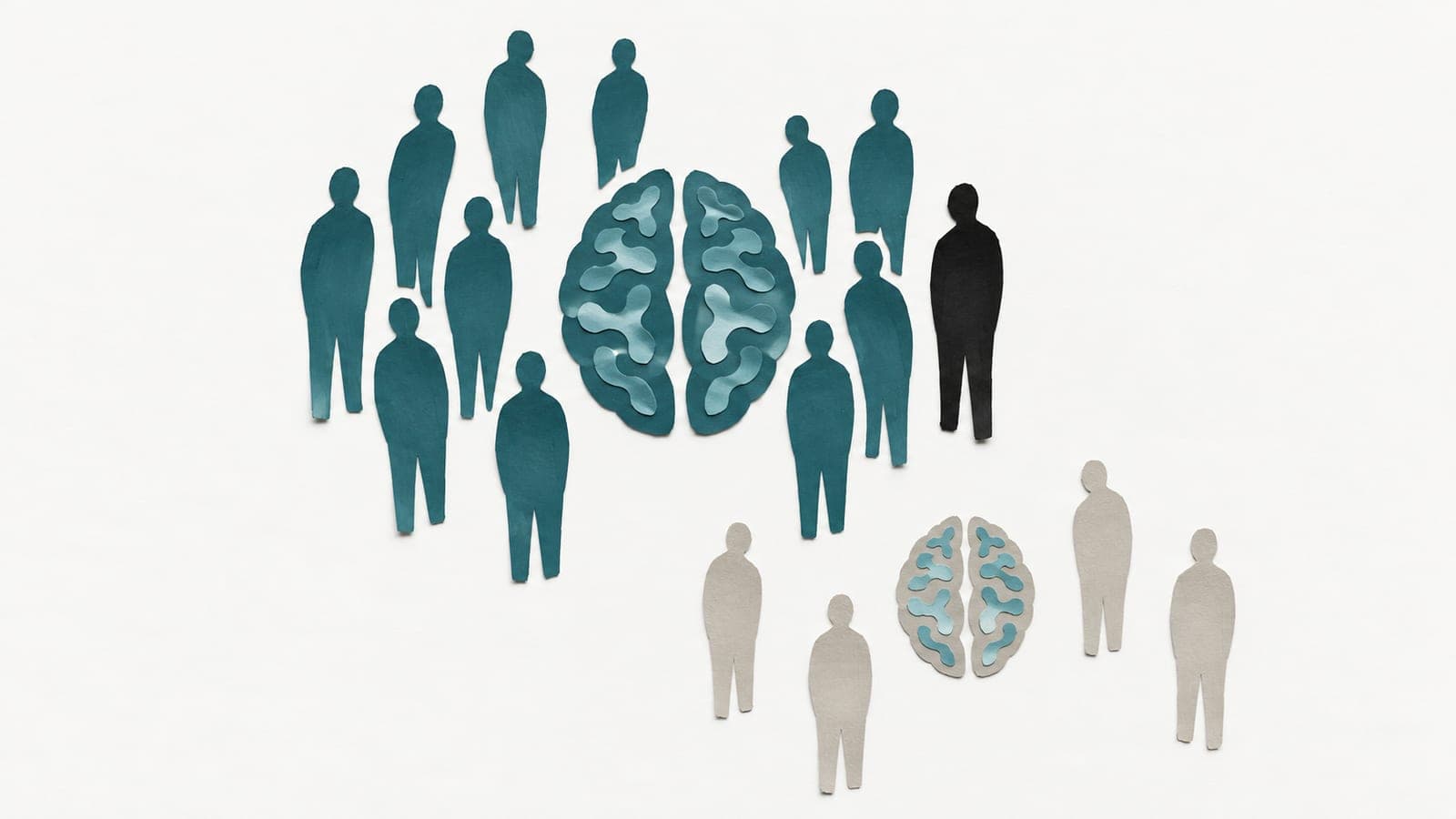
Participants in the English Longitudinal Study of Ageing were studied in an observational analysis comparing patterns of cognitive frailty and dementia over 10 years. Cognitive frailty combines physical frailty with mild impairment in memory or other thinking skills.
Only patterns involving memory impairment were associated with later dementia. These included memory impairment alone and memory impairment alongside difficulties with executive function—skills used to plan and organize—and/or processing information quickly. An odds ratio above one indicates higher odds than in a reference group. Education, neighborhood deprivation and loneliness were associated with cognitive frailty only when executive function or processing speed were impaired. The authors concluded that distinguishing these patterns was important for estimating future dementia risk and designing targeted interventions.
Why it matters
Cognitive frailty may represent an intermediate state before dementia. Distinguishing its patterns could help researchers target prevention efforts.
Caveats
This observational analysis cannot establish cause and effect. The abstract does not report participants’ number or ages, or identify the reference group for the dementia odds ratios.

Comments
Be the first to comment.