Enzyme inhibitor improved shock response in old rats
In an animal experiment, one week of oral pretreatment improved blood pressure control and survival during blood pressure reduction in old rats.
Our read
Interventions- Studied:
- Experiments in old rats, one week, against old rats without pretreatment
- What changed:
- Pretreated old rats had higher survival during blood pressure reduction than old rats without pretreatment
- The catch:
- The trauma challenge was blood loss, not surgery
Editor of record: Boris Djordjevic · AgingResearch.News
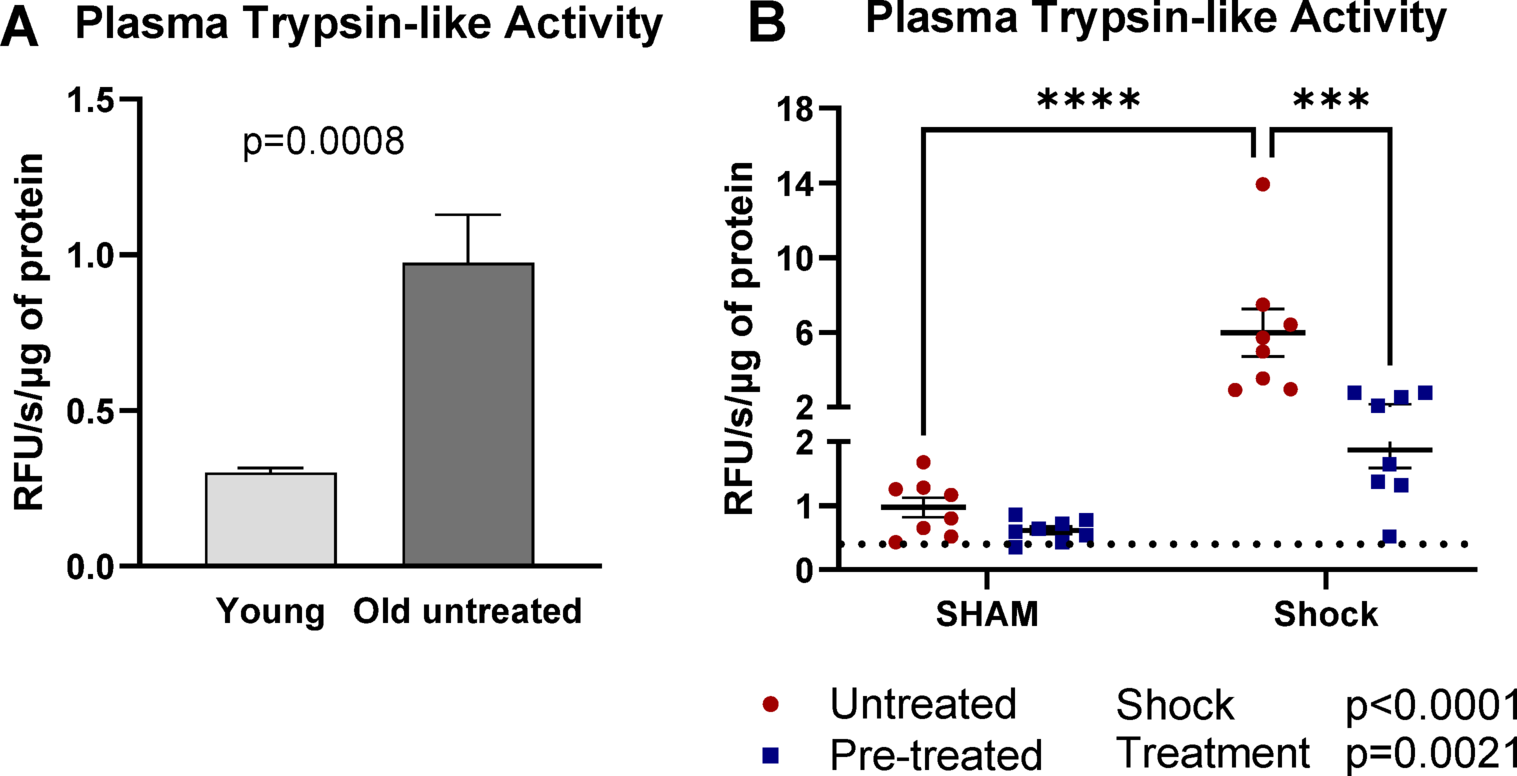
Old rats received an oral inhibitor of trypsin, a pancreatic enzyme that breaks down proteins, for one week in an animal experiment. The researchers assessed cardiovascular function and responses to hemorrhagic shock, a dangerous failure of circulation caused by blood loss.
The pretreatment reduced digestive-enzyme activity in the bloodstream without significantly impairing normal digestion. It brought systolic blood pressure, measured when the heart contracts, and average arterial pressure back to normal. A reflex that regulates blood pressure, severely impaired in aged rats, also improved substantially. Survival during a reduction in central blood pressure was higher in pretreated old rats.
Why it matters
The authors interpret the findings as support for their hypothesis that uncontrolled digestive enzymes outside the pancreas and intestine contribute to aging and vulnerability to trauma.
Caveats
Results from old rats facing blood loss do not show whether the same pretreatment would help older people undergoing surgery.

Comments
Be the first to comment.