Cold spells and heat waves linked to chronic lung disease
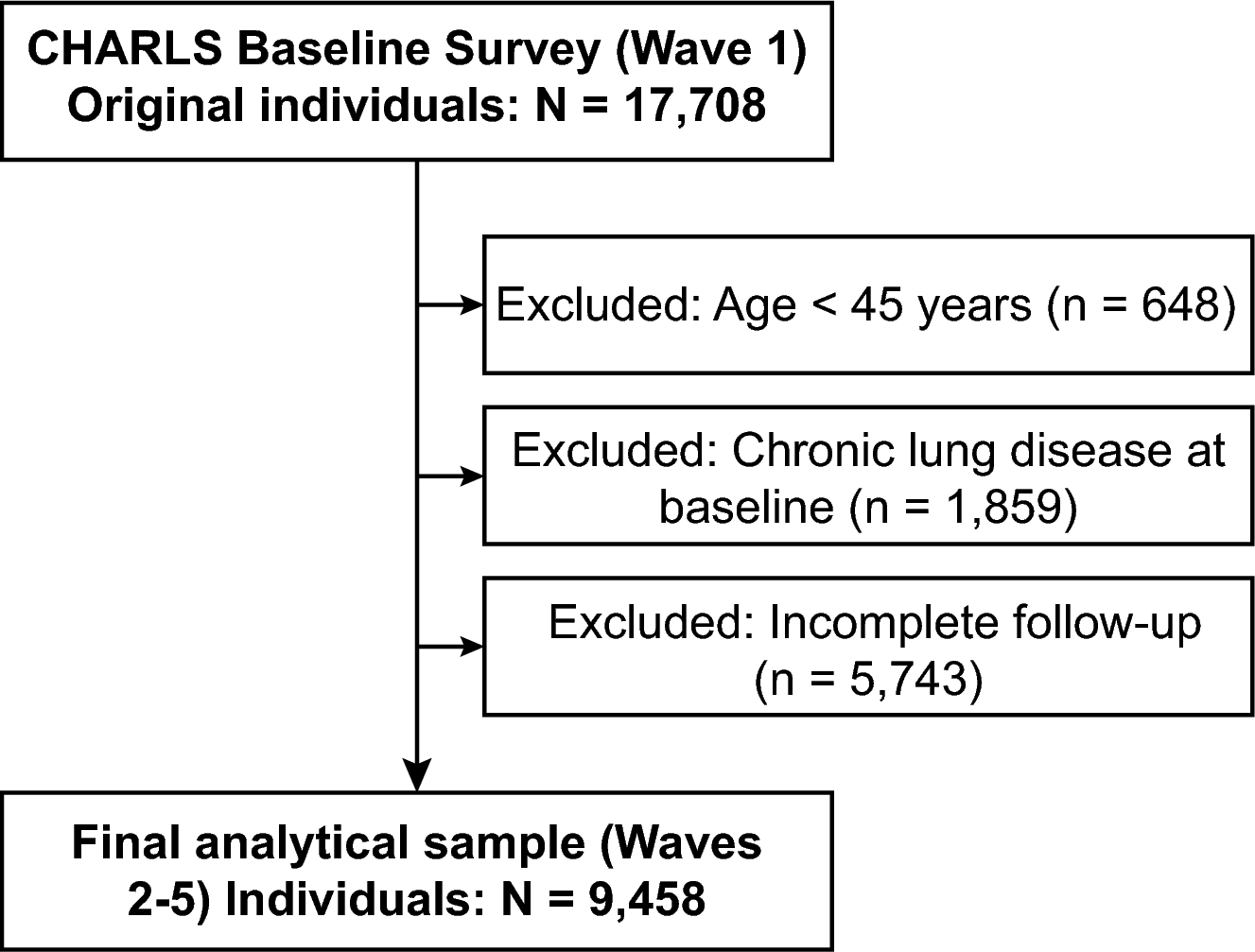
Among 9,458 adults followed for a median seven years, 1,562 developed chronic lung disease; both cold spells and heat waves were linked to higher incidence.
Our read
Populations- Studied:
- Cohort study of 9,458 middle-aged and older adults in China, median 7.0-year follow-up (Dose-response)
- What changed:
- Chronic lung disease risk was higher with prolonged cold spells (OR 1.34) and heat waves (OR 1.32)
- The catch:
- Living conditions could differ with temperature exposure and also affect lung disease risk
- In the record:
- The 14th paper on cold spell with results in people; 18 on record in all.
Editor of record: Boris Djordjevic · AgingResearch.News
Middle-aged and older adults in China—9,458 people—were followed in a prospective cohort study using five survey waves from 2011 to 2020. Researchers examined 50 definitions of cold spells and heat waves, combining temperature thresholds with durations ranging from at least one to at least five days.
Over a median seven-year follow-up, 1,562 people developed chronic lung disease, an incidence of 16.51%. All 50 exposure measures were associated with higher disease incidence. For events lasting at least five days, less extreme temperature thresholds had stronger associations than the most extreme thresholds. The association with cold spells was stronger among rural residents.
Why it matters
For middle-aged and older adults, the findings suggest that climate-health planning should consider accumulated exposure to moderate temperature events, not just rare extremes.
Caveats
People with greater temperature exposure may also have differed in living conditions that affected their lung disease risk. The cohort covered middle-aged and older adults in China, not younger people or populations elsewhere.

Comments
Be the first to comment.