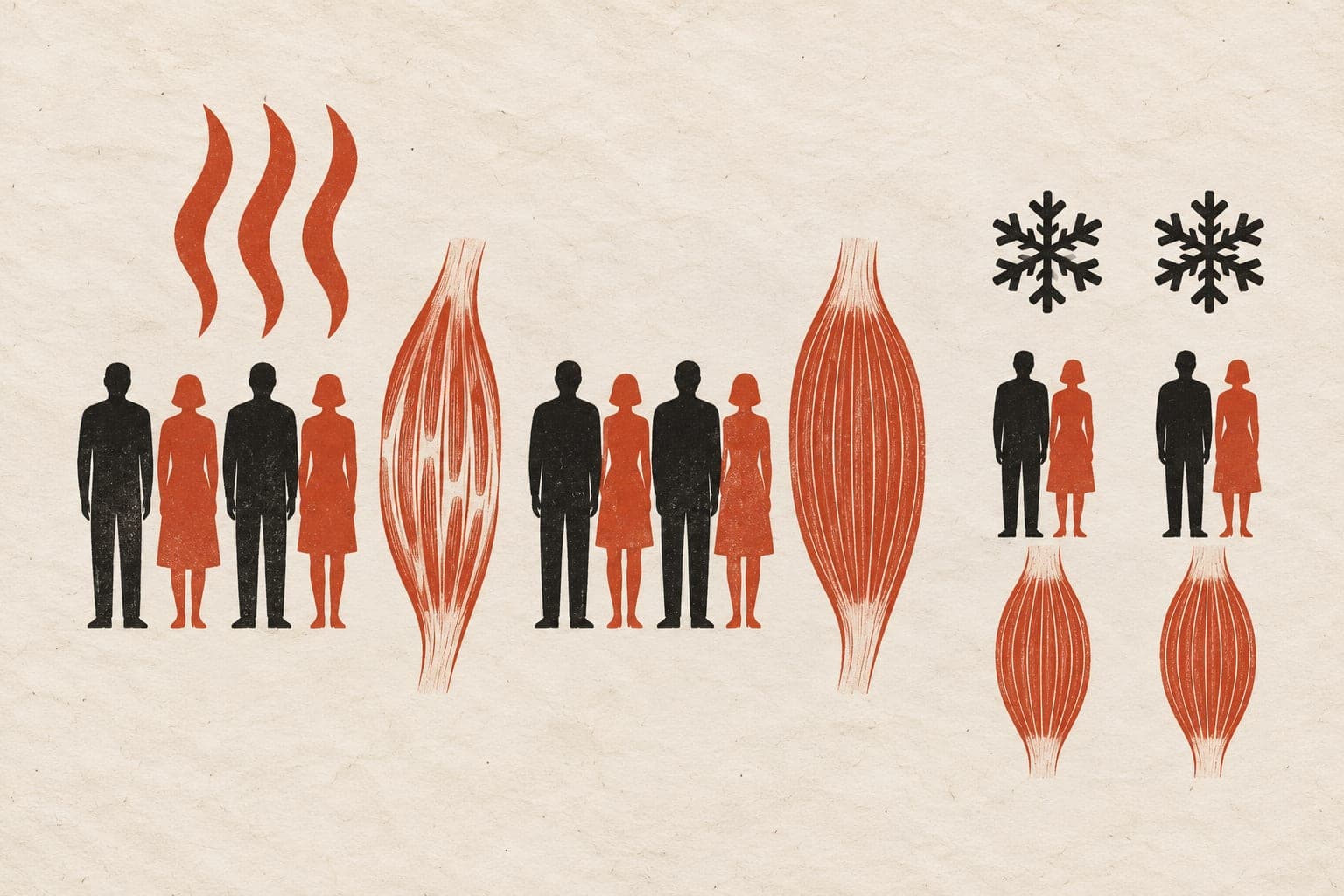
Cold was linked to more deaths than heat in Changsha
An observational analysis attributed 7.70% of non-accidental deaths to cold and 0.85% to heat across seven years in the Chinese city.
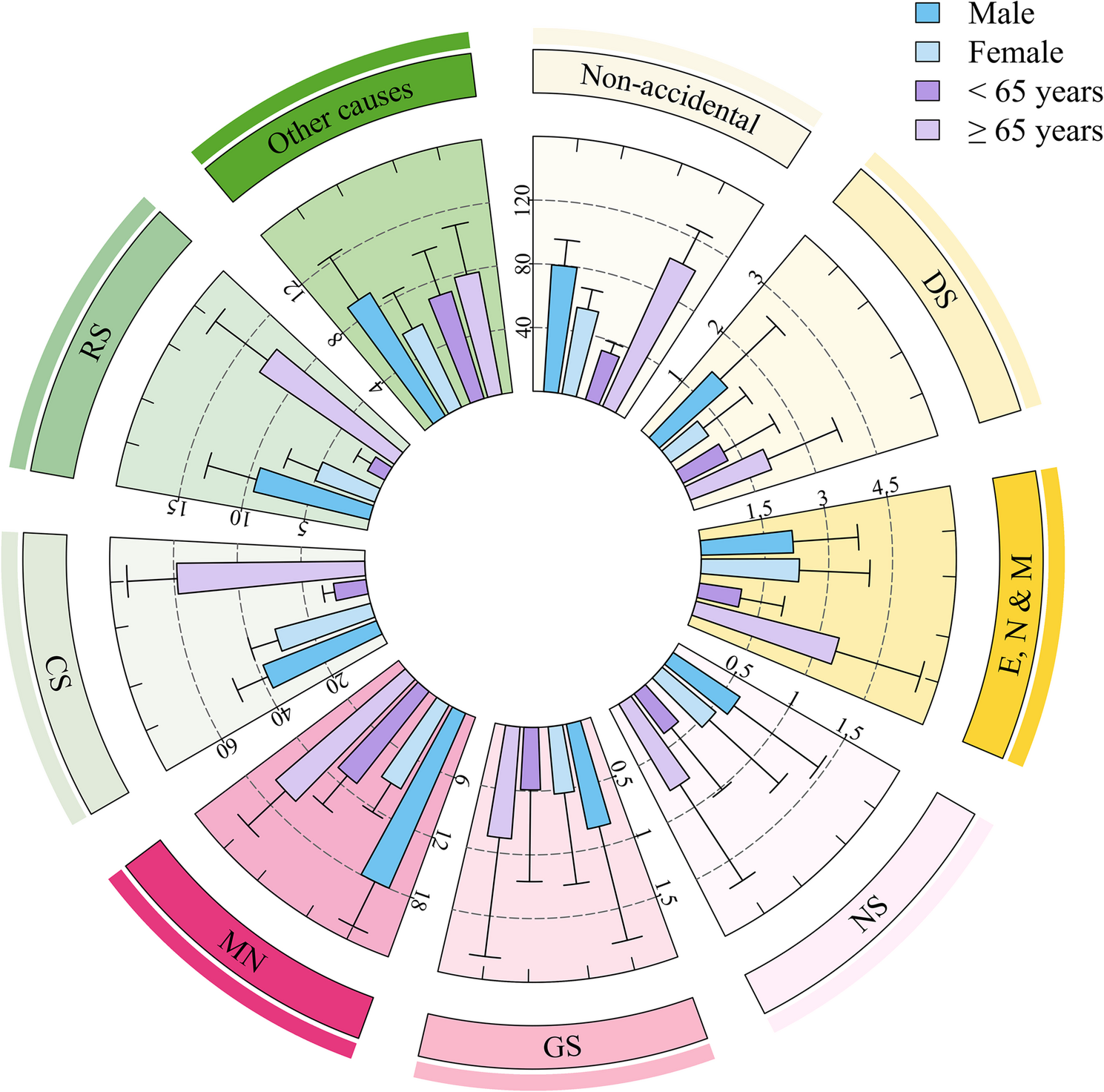
In Changsha, China, an observational time-series study analysed daily weather records and 344,379 non-accidental deaths from 2015 to 2021. Researchers modelled links between daily average temperature and deaths on the same day and up to 21 days later. They accounted for seasonal and longer-term patterns, day of the week and holidays.
Mortality was lowest at 28.0 °C. Moderate cold accounted for 86% of the estimated cold-related death burden; moderate heat accounted for 54% of the heat-related burden. Cold-related risk built up over about two and a half weeks; heat-related risk occurred within days. After accounting for daily temperature, cold spells and heatwaves showed no additional risk. Adults aged 65 and over were most vulnerable. However, of four planned subgroup comparisons, only the age difference for extreme heat was statistically significant.
Why it matters
For older adults, the study bears on when seasonal temperature protection may be needed. The researchers recommended starting cold protection before winter and sustaining it, alongside rapid responses to heat.
Caveats
This observational study could not establish that temperature caused the deaths. Estimates of the shares attributed to temperature were sensitive to modelling choices, and the study covered one city.
The paper
Hunan Normal University
BMC Public Health, 14 Oct 2026, Open access, CC BY-NC-ND