Scan-based age predicts death from causes other than lung cancer
Adding scan-based age to clinical information raised a model’s prediction score for death from causes other than lung cancer from 0.69 to 0.73.
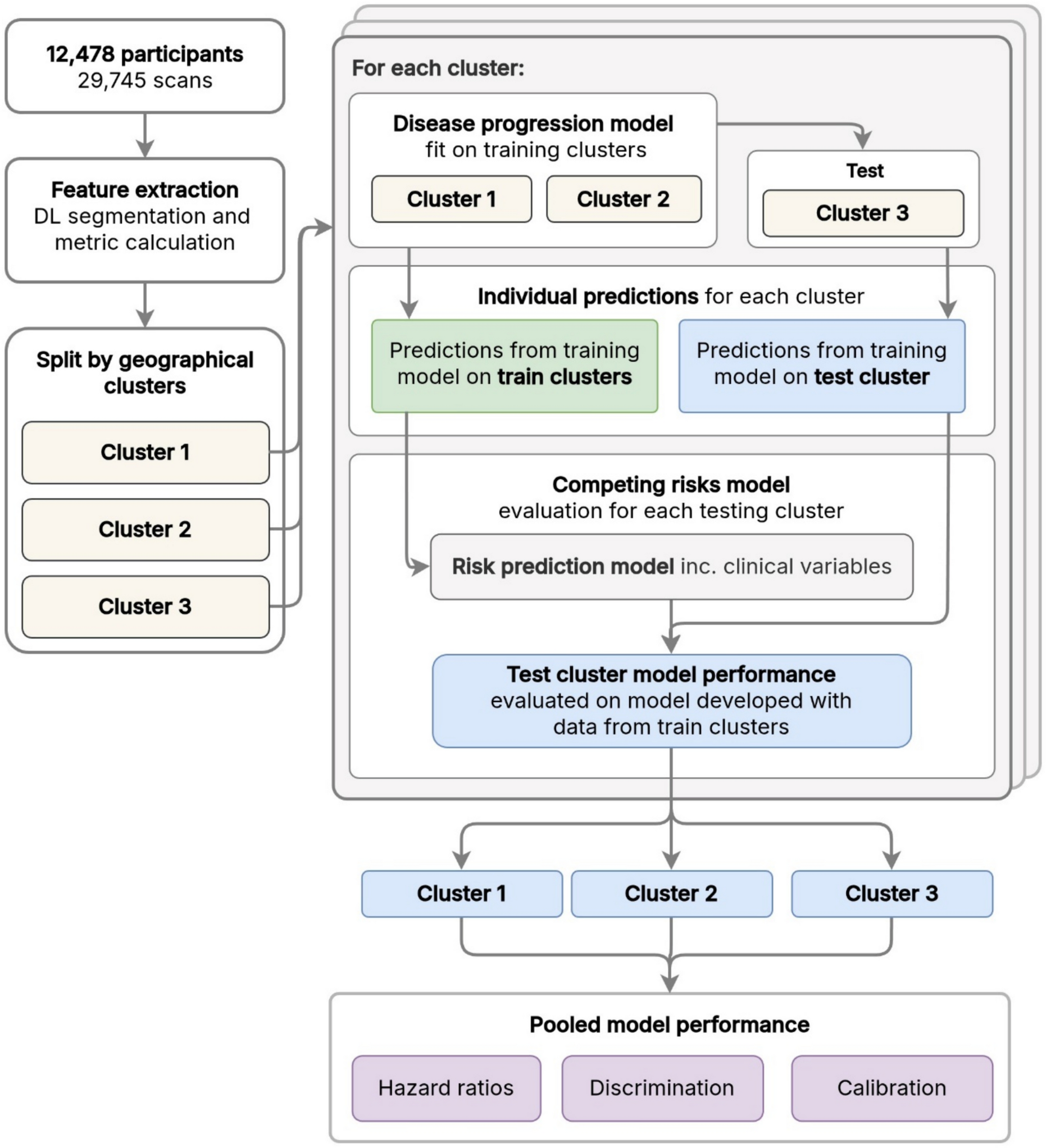
In 12,478 lung cancer screening participants, a retrospective observational study assessed whether scan-based biological age helped predict death from causes other than lung cancer. Researchers analysed 29,745 low-dose computed tomography scans. They measured bone density loss, fat within muscles, calcium deposits in blood vessels and fat around internal organs.
They built an age-estimation model using scans collected over time, but estimated each participant’s biological age using their initial scan alone. The age gap was the difference between estimated biological age and actual age. Over a median follow-up of five years, a larger age gap was associated more strongly with death from causes other than lung cancer than with a lung cancer diagnosis. Adding age gap to clinical information improved the model’s ability to rank participants by their risk of death from other causes.
Why it matters
Deaths from causes other than lung cancer limit the benefit of screening. The research addresses whether measures of age-related bodily change can help assess that competing risk.
Caveats
This was a retrospective analysis of scans from a lung cancer screening trial, not a trial of using biological age to guide screening. The researchers used all available scans over time to build the age-estimation model, although individual age estimates used baseline scans only.