Some immune cells hindered digit-tip regrowth in mice
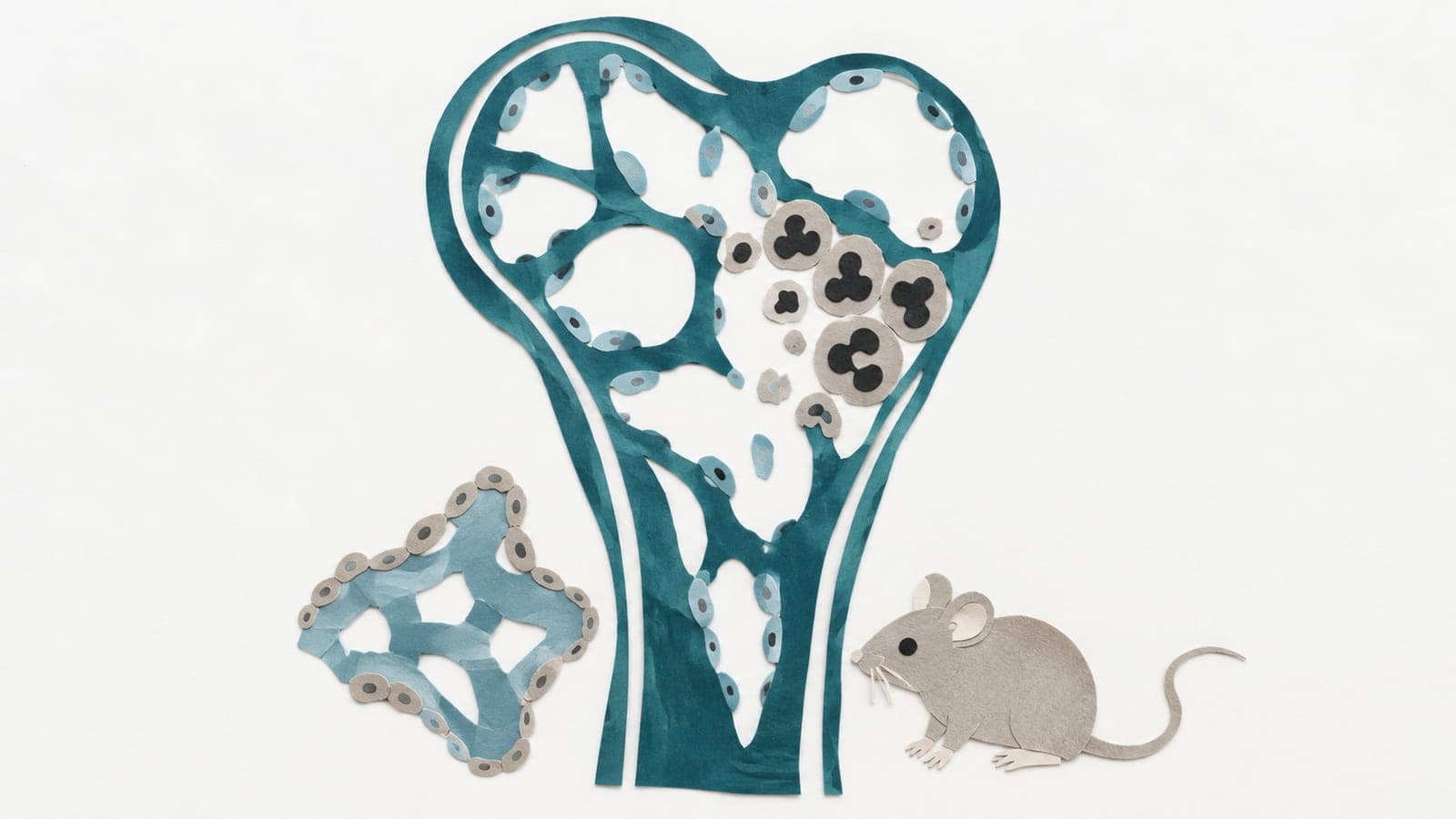
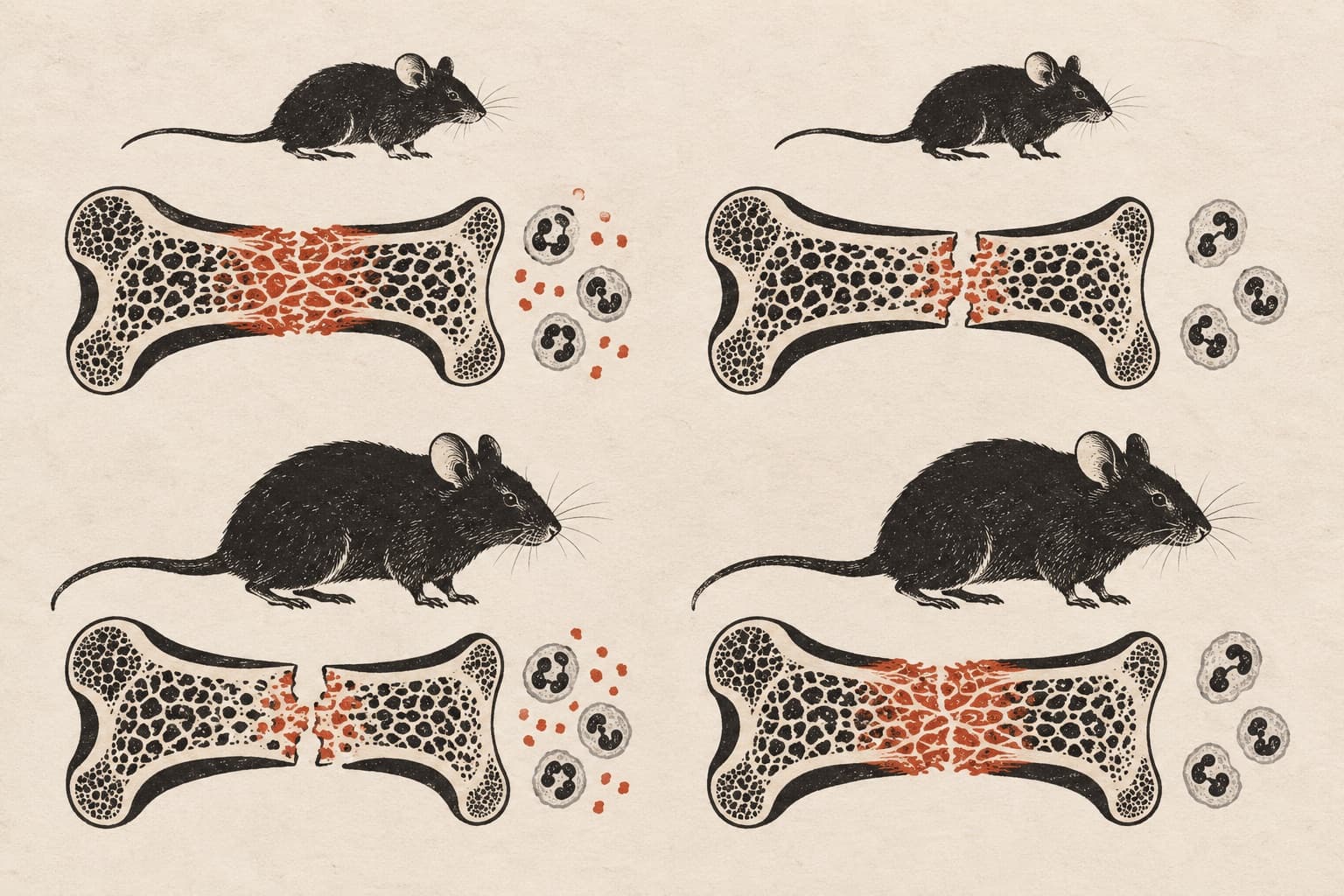
Cell-transfer experiments in mice lacking lymphoid immune cells found that regulatory immune cells rescued regeneration inhibited by another immune-cell type.
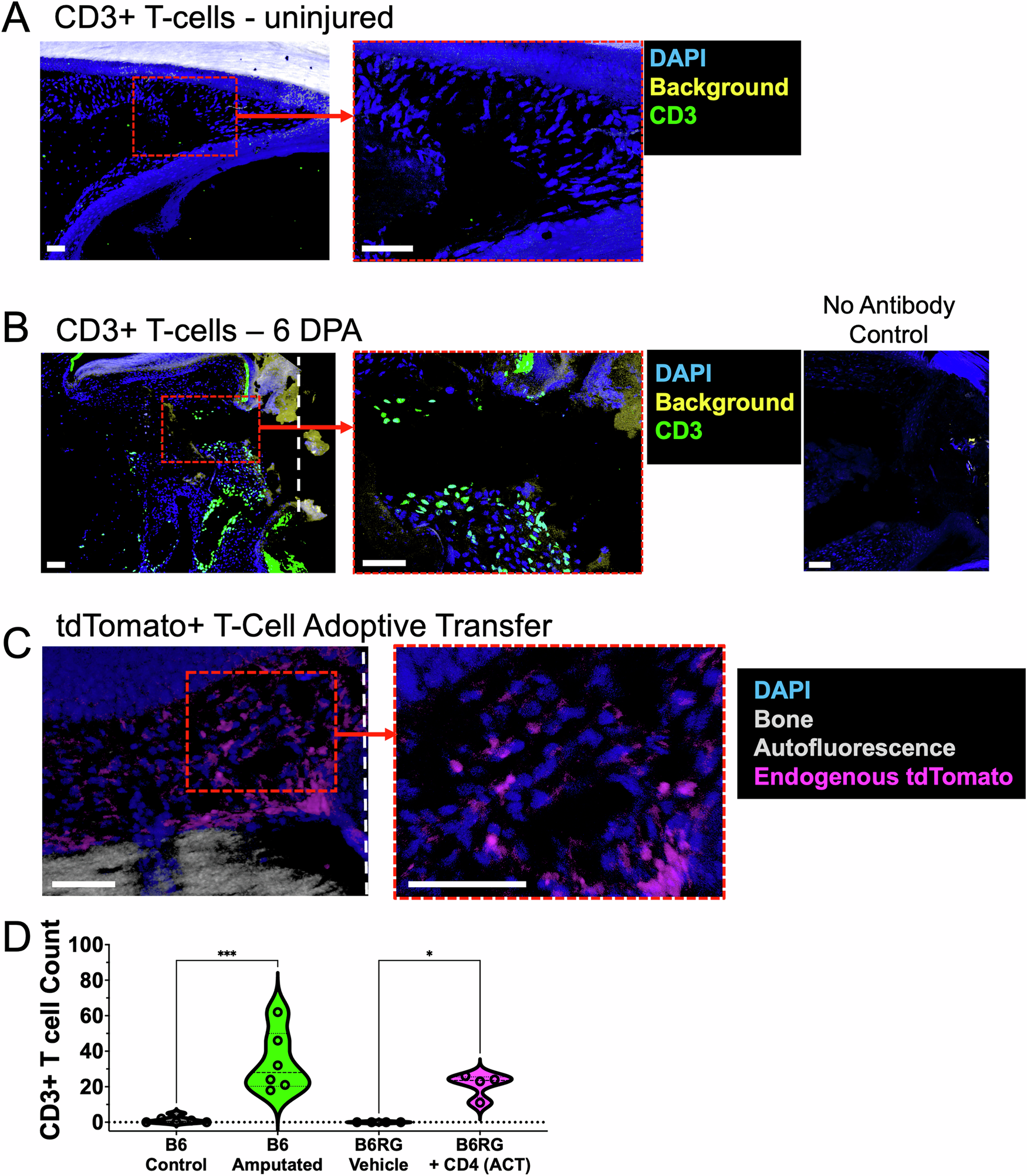
Mice lacking lymphoid immune cells—a group that includes T cells, B cells and natural killer cells—were used in experiments on digit-tip regeneration. The researchers found that lymphoid immunity had an overall negative effect on regrowth. Transferring CD8 T cells, one immune-cell type, into these mice did not affect regeneration. Transferring CD4 T cells, another type, strongly inhibited it by killing precursors of bone-removing and bone-forming cells.
Adding regulatory T cells, which restrain immune responses, rescued regeneration. So did supplying a protein that helps bone-removing cells develop. CD4 T cells unable to produce interferon gamma, an immune signalling protein, lost their cell-killing activity and no longer inhibited regeneration.
Why it matters
For aging research focused on tissue repair, protecting the body’s own precursor cells offers a possible strategy to investigate. The authors suggested such protection could enhance human tissue repair and therapies using a person’s own stem cells.
Caveats
The cell-transfer findings came from mice lacking lymphoid immune cells. The experiments did not test aging or whether these approaches improve tissue repair in people.
The paper
Jackson Laboratory; Mount Desert Island Biological Laboratory
NPJ Regenerative Medicine, 13 Oct 2026, Open access, CC BY-NC-ND