Restoring a cell-surface protein eased lung disease in mice
In experiments involving 24 weeks of cigarette smoke exposure, mice lacking the protein had faster lung-function decline and more inflammation than their normal littermates.
Our read
Interventions- Studied:
- Experiments in mice
- Why it’s aging research:
- It studies organisms or tissues that aged naturally.
Editor of record: Boris Djordjevic · AgingResearch.News
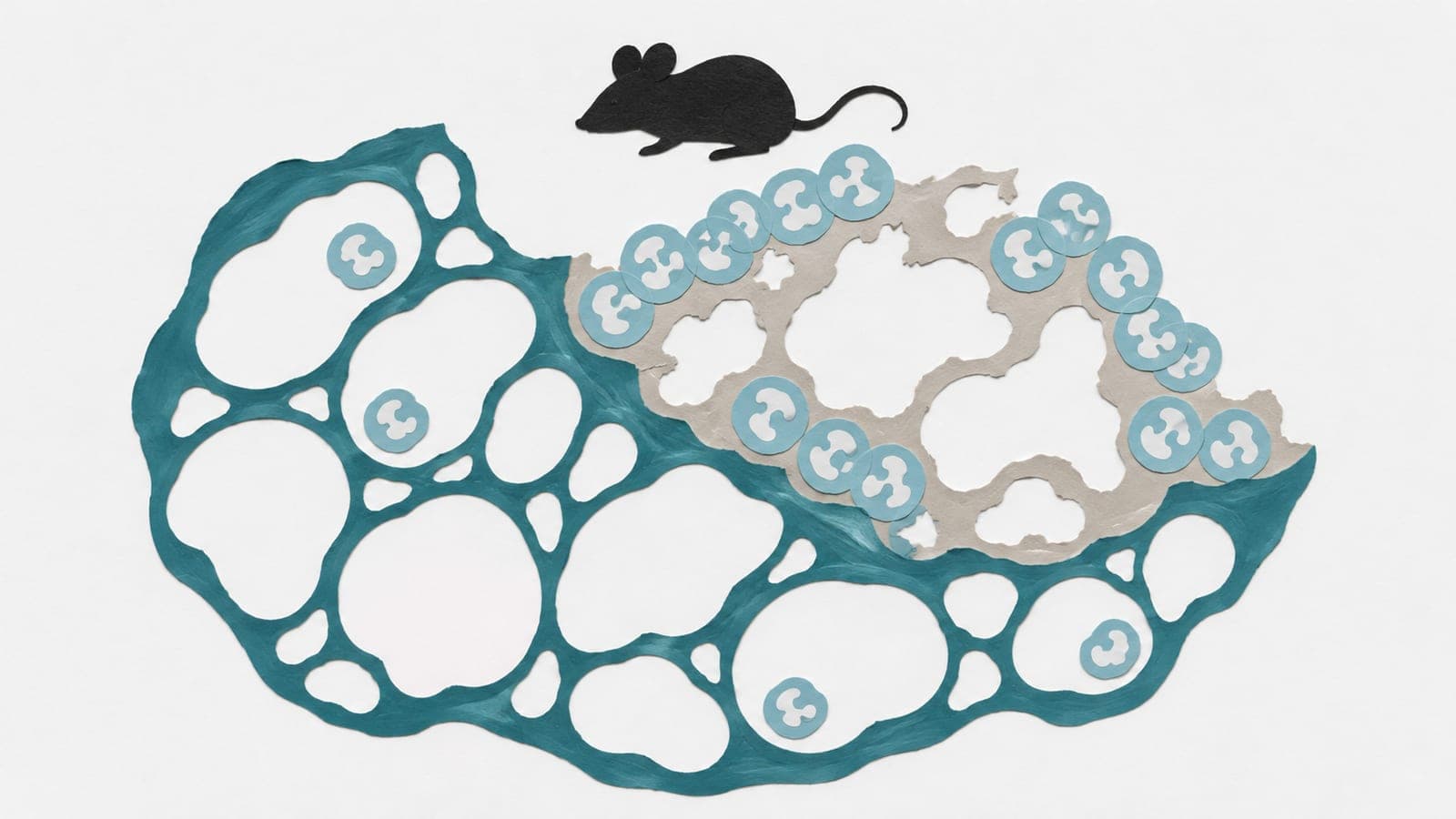
C57BL/6J mice lacking Muc1, the gene for the cell-surface protein MUC1, developed worse lung disease in experiments involving 24 weeks of cigarette smoke exposure. The experiments modeled chronic obstructive pulmonary disease, which restricts airflow. Compared with mice with intact Muc1, those lacking it had faster lung-function decline, more inflammation and impaired mitochondria, the cells’ energy-producing structures.
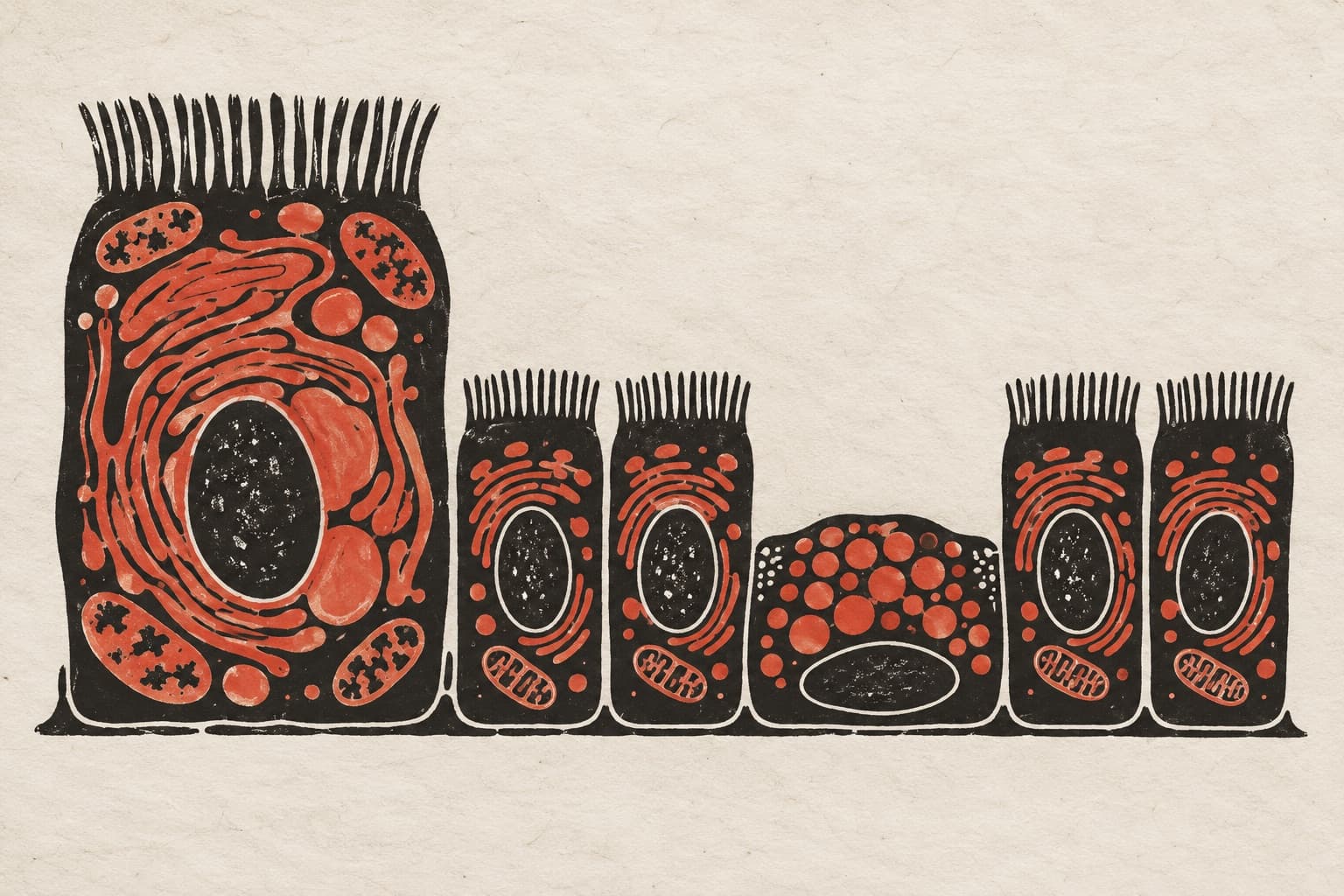
Aged mice lacking Muc1 also developed emphysema, damage to the lung’s air sacs, without smoke exposure. Their type II alveolar cells, which line the air sacs, showed more senescence, a state in which cells stop dividing. Using a virus to restore Muc1 specifically in these cells eased smoke-induced disease. The improvement accompanied reduced inflammation, better mitochondrial function and greater ability of type II cells to become type I cells, which support gas exchange.
Why it matters
Lung-cell senescence bears on how aging may contribute to emphysema. The authors identified MUC1 as a potential target for chronic obstructive pulmonary disease, particularly emphysema.
Caveats
The gene-restoration findings came from a cigarette smoke model in mice, not from treatment trials in people with chronic obstructive pulmonary disease.
Where the evidence stands
Inflammation
- 1,040 independent labs in 77 countries
- 204 findings against
- Funders: National Natural Science Foundation of China and others
- 382 of 4,589 findings with company ties
MUC1
- 4 independent labs in 3 countries
- Funders: DKFZ and others
- 1 of 9 findings with company ties
From the paper
- Result
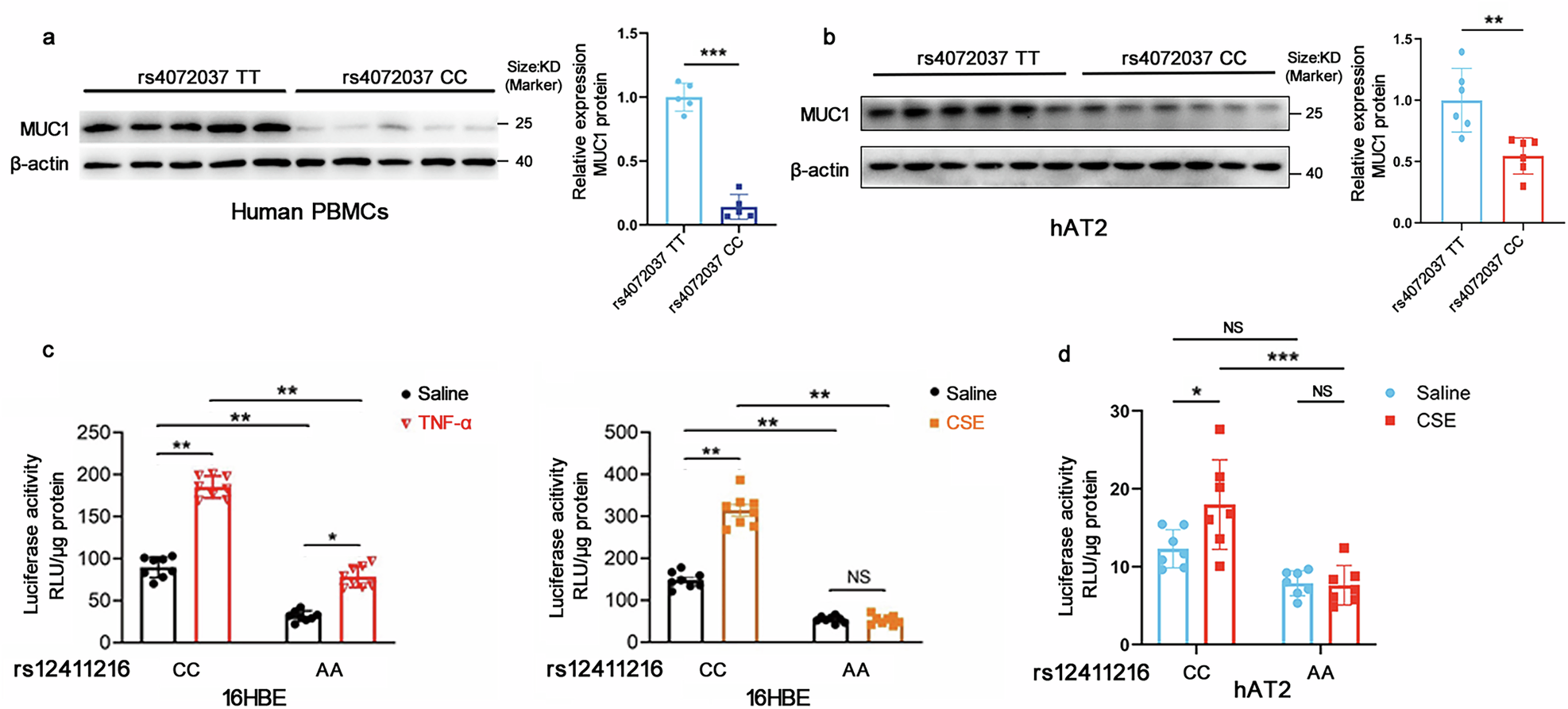
Specifically, rs4072037 showed P = 0.010, OR = 1.75, 95% CI = 1.15–2.68; rs12411216 showed P = 0.027, OR = 1.62, 95% CI = 1.06–2.47.
Results, Functional variants in MUC1 increase susceptibility to COPD
- Limitation
First, despite achieving overall matching for age and sex in the expanded Northern cohort, residual selection bias may persist due to inherent differences between COPD patients and controls.
Quoted word for word from the full text on nature.com.
The paper
Signal Transduction and Targeted Therapy, Nov 8, 2026, Open access, CC BY-NC-ND
Comments
Be the first to comment.