Updated genetic score improves glaucoma risk prediction
Australians of European ancestry in the score’s top 10% had 10.04 times the odds of glaucoma compared with the remaining participants.
Our read
Biomarkers- Studied:
- Genetic association study of individuals from multiple ancestry groups
- What changed:
- Australians of European ancestry in the top 10% had 10.04 times the odds of glaucoma compared with the remaining participants
- The catch:
- Vision loss after score-guided care was not measured
Editor of record: Boris Djordjevic · AgingResearch.News
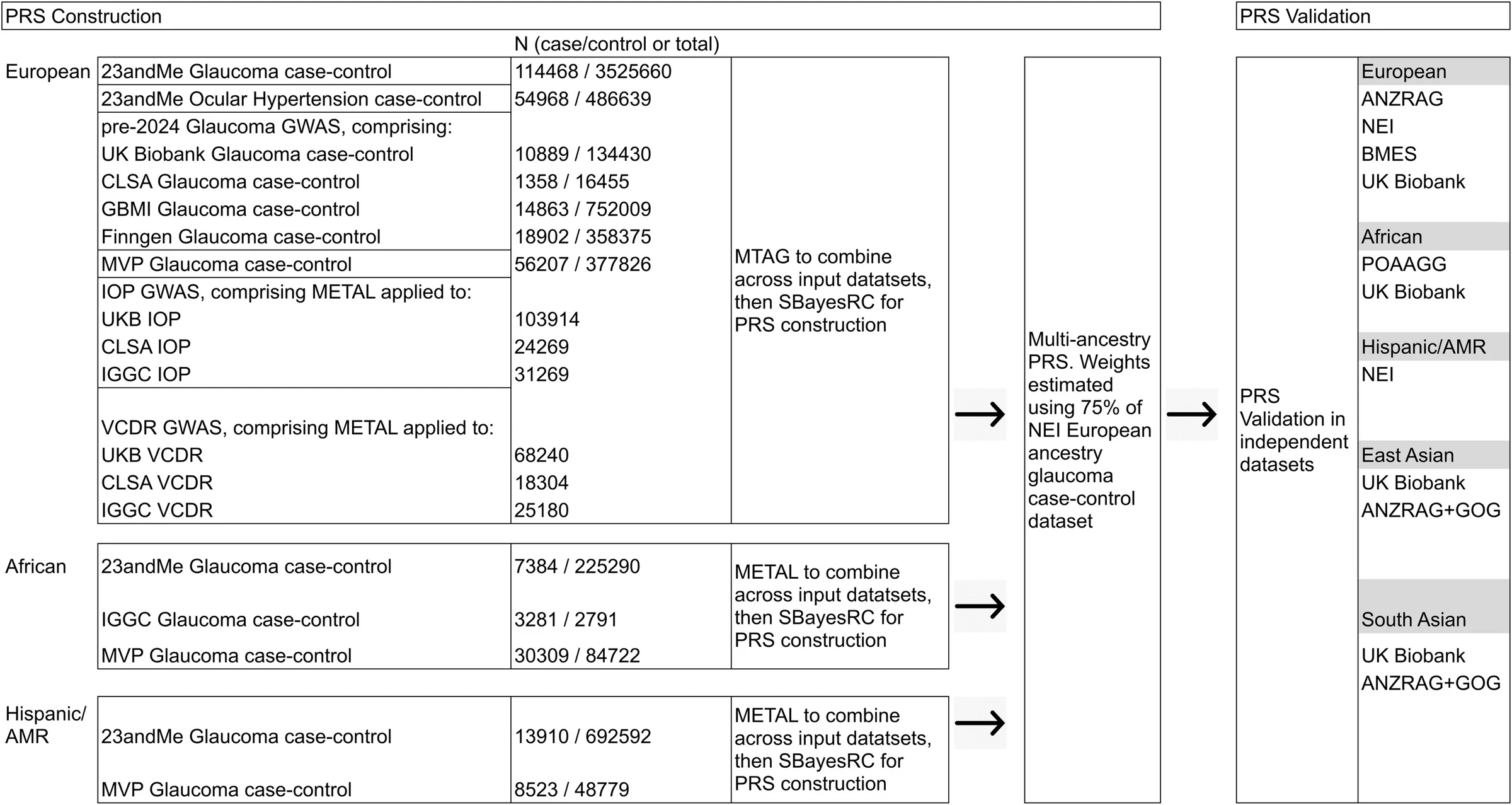
More than 6 million people from multiple ancestry groups contributed genetic data to a genetic association study and risk prediction analysis of open-angle glaucoma. The researchers built a score that combined genetic information about glaucoma-related traits, including pressure inside the eye.
The score performed best in people of European ancestry and less well in South Asian, East Asian and African ancestry groups. In Australian participants of European ancestry, it outperformed the team’s earlier score. On average, people in the highest tenth of scores developed glaucoma approximately 25 years earlier than those in the lowest tenth. The score also predicted stepped-up treatment in early disease, glaucoma surgery and glaucoma risk among first-degree relatives—parents, siblings and children.
Why it matters
Open-angle glaucoma causes irreversible blindness and often goes undiagnosed. Identifying high-risk people earlier may help target assessment and treatment as they age.
Caveats
Risk prediction leaves open whether using the score to guide care would reduce vision loss. Performance was weaker outside European ancestry populations.

Comments
Be the first to comment.