In Balans trial found no clear fall reduction in older adults
In a 12-month trial of 264 older adults, the programme showed no clear advantage over physical activity advice for falls or fall-related injuries.
Blinded, multicentre
A randomised trial enrolled 264 adults aged 65 and older living in the community at increased risk of falling, who were either not frail or had early signs of frailty. Participants received either the 14-week In Balans group exercise programme or general physical activity advice.
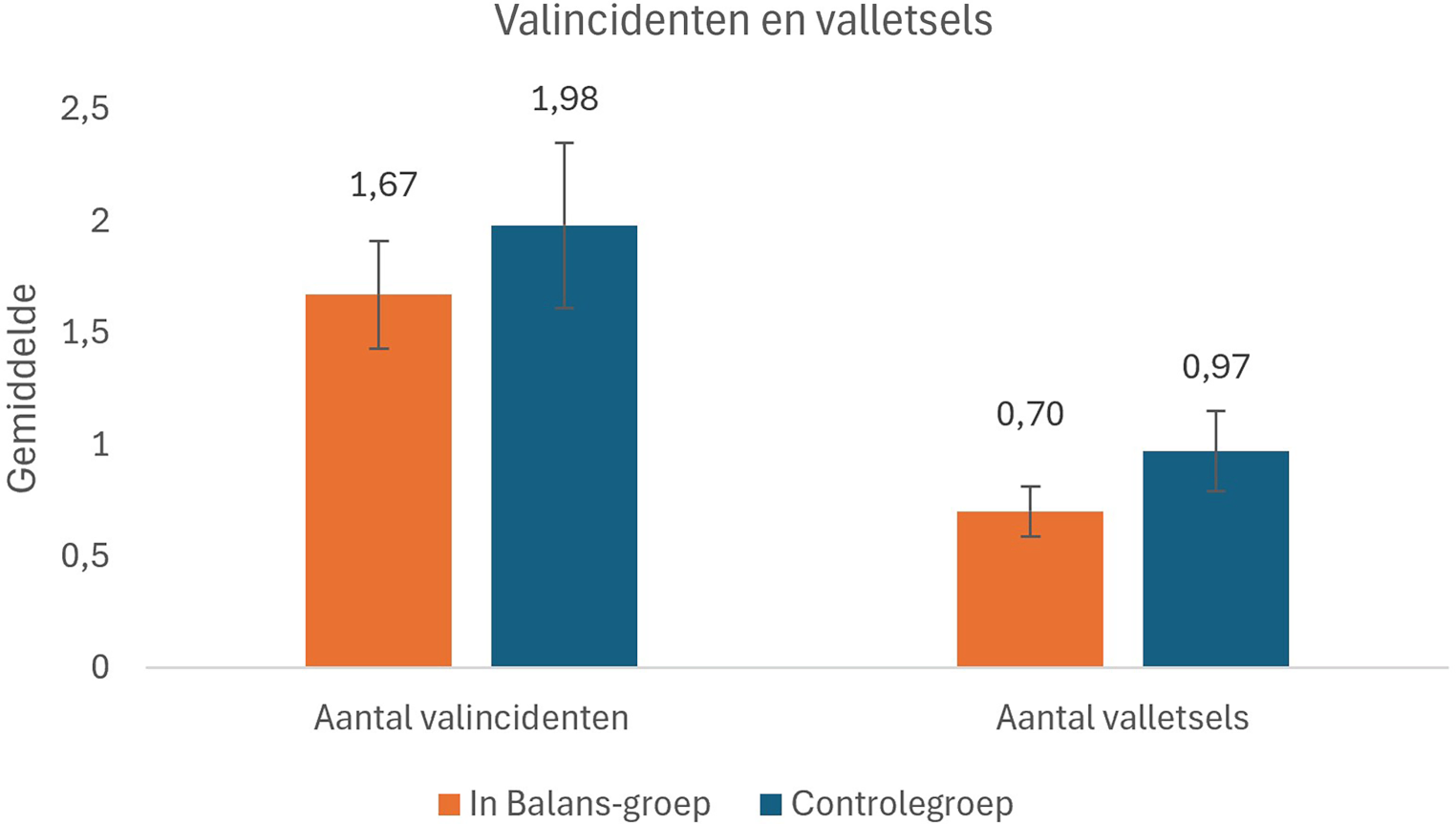
Over 12 months, researchers found no statistically significant differences in falls, fall-related injuries or measures of physical function. Some results favoured the programme, but the differences were not statistically significant. The economic analysis estimated a 98% probability that In Balans offered better value for money than usual care. In focus groups, participants and trainers generally rated the programme positively and were satisfied with its content and structure.
Why it matters
Preventing falls is a growing concern in older populations. The results suggest that evaluating exercise programmes in practice requires attention to attendance, delivery and continued physical activity after the programme ends.
Caveats
Attendance averaged approximately two thirds of sessions, limiting what the trial says about completing the intended programme. The findings do not cover frail adults or people younger than 65.
The paper
VeiligheidNL; Amsterdam Movement Sciences
TSG - Tijdschrift Voor Gezondheidswetenschappen, 1 Oct 2026, Open access, CC BY-NC-ND