Artery stiffness in mice tracked mouse age, not T cell age
Five weeks after receiving T cells from young or old donors, older mice had stiffer arteries regardless of the cells’ age.
Our read
Mechanisms- Studied:
- Experiments in young and old immunodeficient mice, against mice receiving young donor T cells
- What changed:
- Arteries were stiffer in older recipients, but stiffness did not differ with donor T cell age
- The catch:
- Only 5 weeks of follow-up could miss delayed stiffness changes from aged T cells
Editor of record: Boris Djordjevic · AgingResearch.News
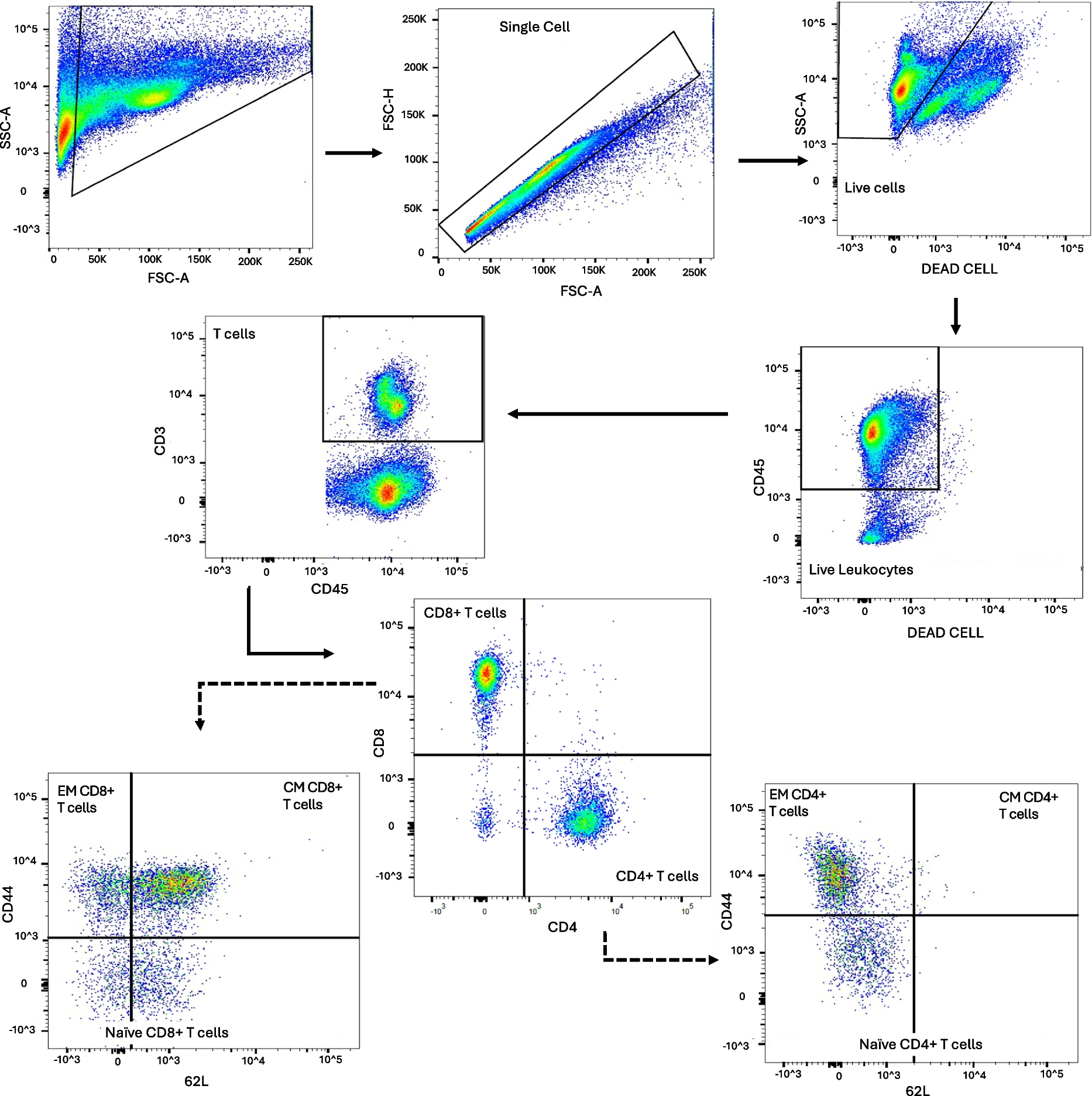
Young and old mice genetically lacking T and B cells, two types of immune cell, received T cells from young or old donor mice in an animal experiment. After five weeks, the researchers measured arterial stiffness using the speed at which a pressure wave traveled through the arteries. Arteries were stiffer in older recipients, but stiffness did not differ according to whether transferred T cells came from young or old donors.
Young recipients had more circulating T cells than old recipients, but not more T cells in the aorta, the body’s largest artery. The authors suggested that younger mice provided a better environment for T cells to survive or multiply.
Why it matters
Arteries stiffen with age, and arterial stiffness is a risk factor for cardiovascular disease. The experiment addressed whether aging of immune cells helps account for this change in blood vessels.
Caveats
The recipients lacked T and B cells before transfer. The experiment leaves open whether T cell age would affect arterial stiffness in mice with intact immune systems.
Where the evidence stands
Adoptive t cell transfer
- 1 lab
RAG1
- 1 lab in 1 country
- Funders: Agencia Estatal Consejo Superior de Investigaciones Cientificas and 5 more

Comments
Be the first to comment.