Early-adult blood chemicals linked to midlife thinking skills
Of 575 blood chemicals measured in early adulthood, 11 were linked to thinking skills 23 years later, and five also to brain volume.
Our read
Biomarkers- Studied:
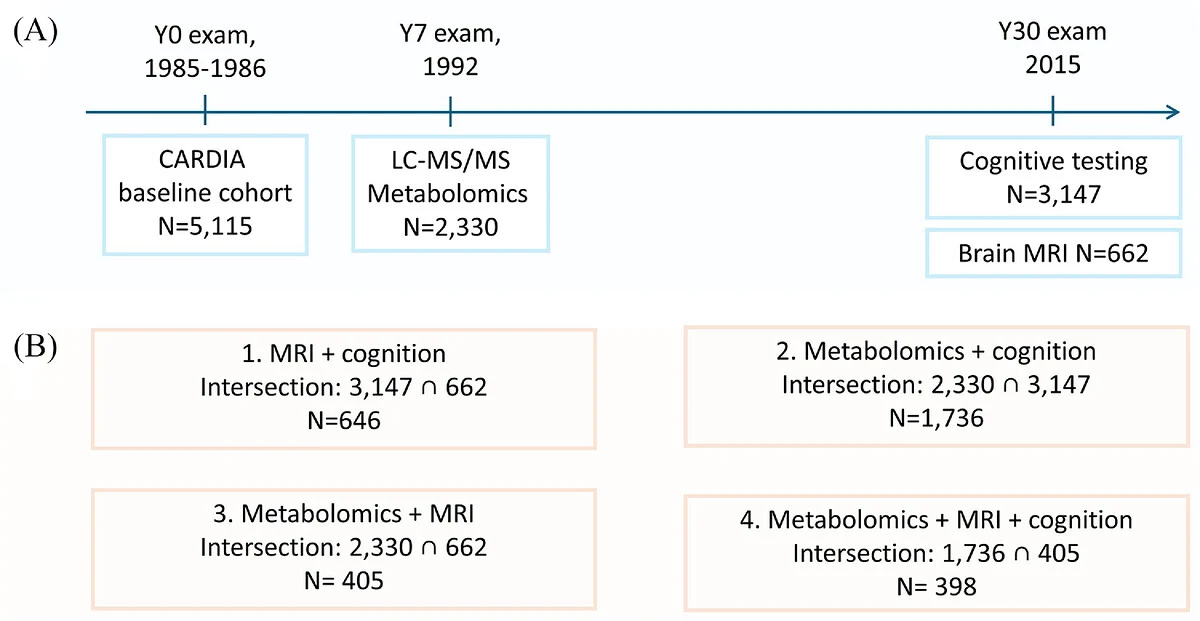
- Cohort study of 1,736 U.S. adults, 23 years (Multicenter)
- What changed:
- Higher levels of 11 early-adult blood chemicals were linked to better or worse midlife thinking skills
- The catch:
- Primary models omitted smoking, which partly explained some links between blood chemicals and thinking skills
- In the record:
- The 15th paper on plasma metabolites with results in people; 57 on record in all.
Editor of record: Boris Djordjevic · AgingResearch.News
Black and White women and men in the observational CARDIA cohort had blood measurements at an average age of 32 and cognitive assessments 23 years later, at about 55. The analyses included 1,736 participants with early-adult blood measurements and 646 with midlife brain scans and cognitive tests.
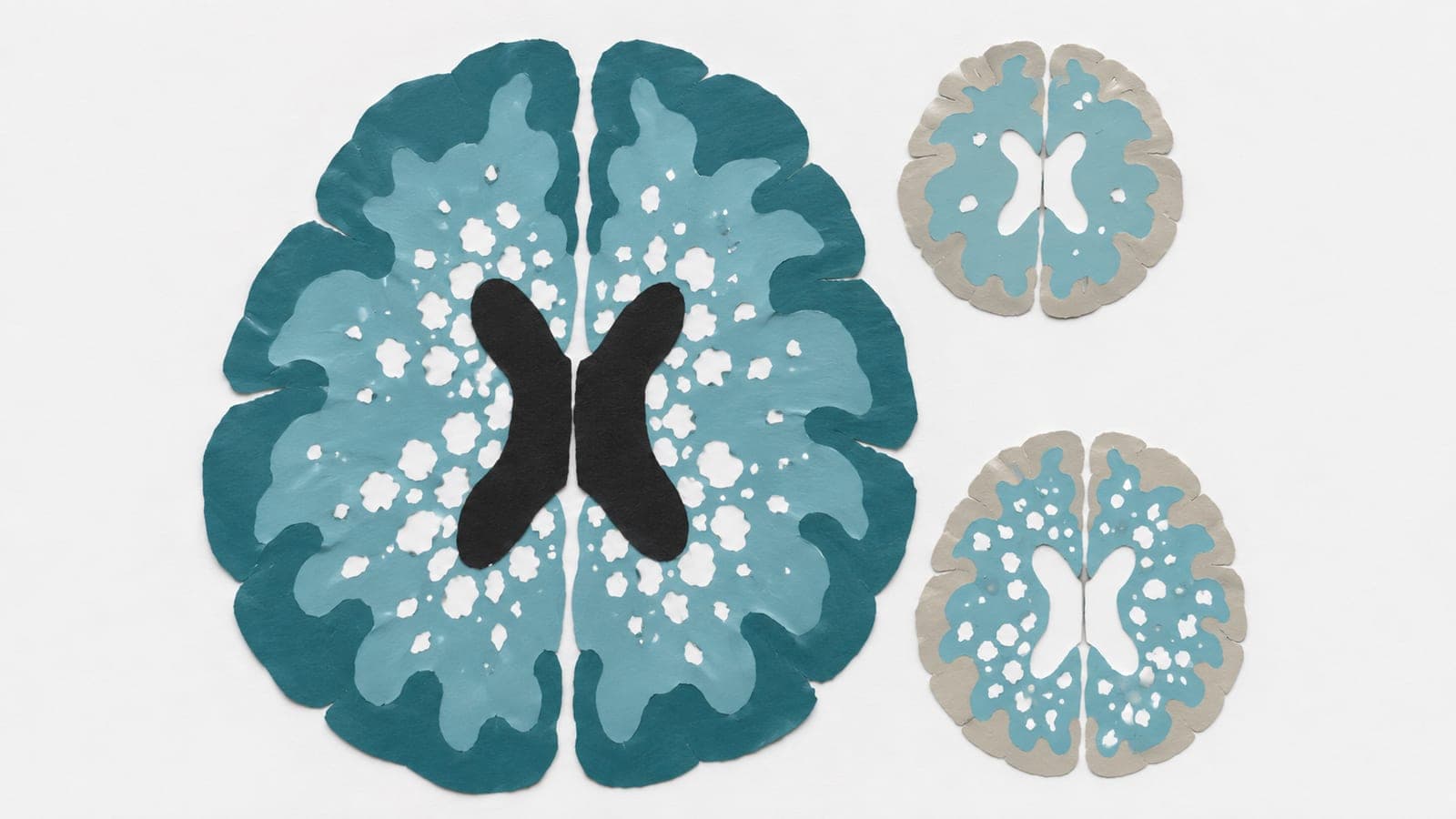
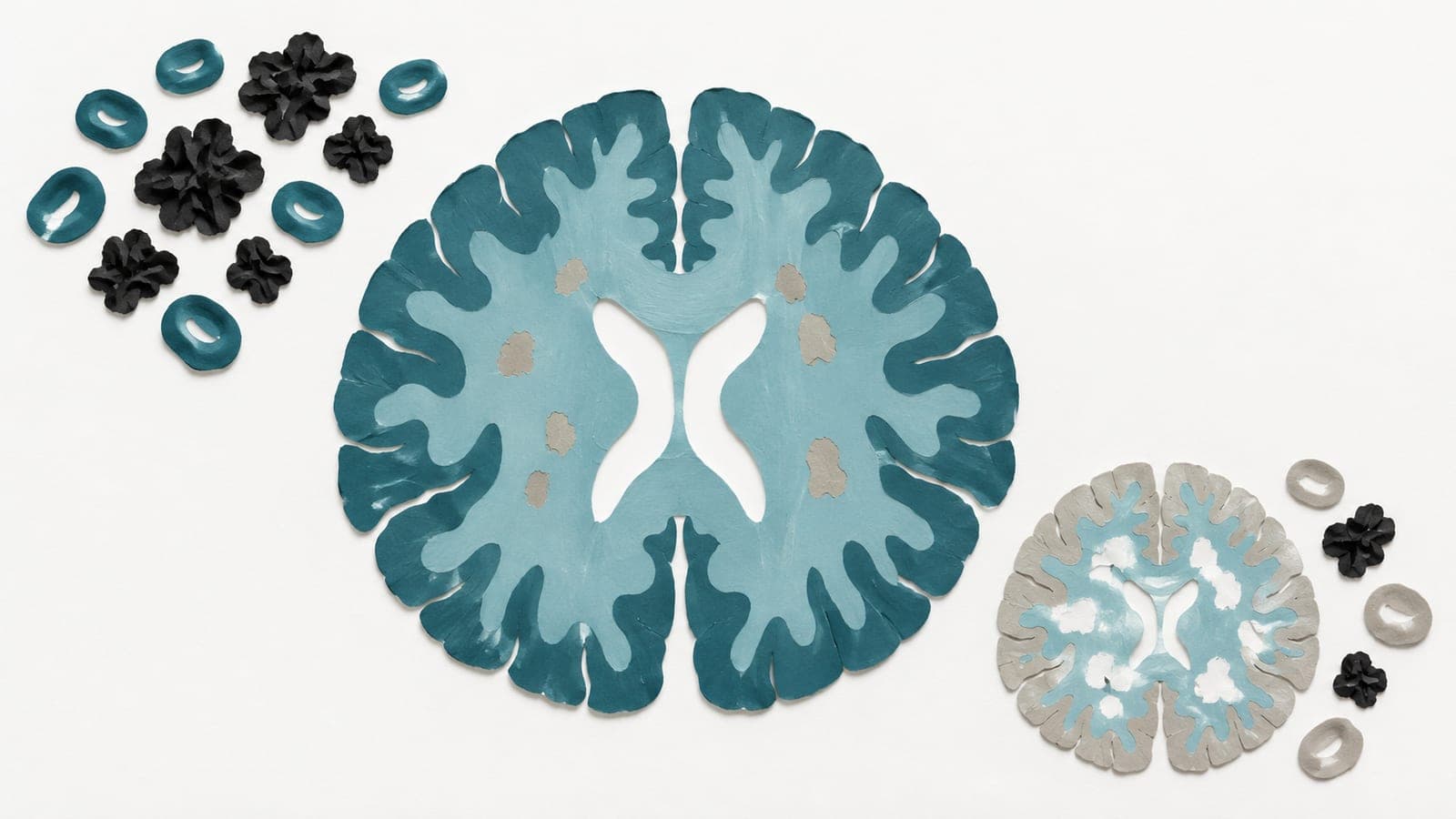
Researchers examined 575 metabolites, small molecules involved in the body’s chemical processes. Eleven were associated with thinking skills. Five were also linked to total brain volume. None was associated with white matter hyperintensities, bright areas on brain scans that mark small blood vessel disease. In a statistical analysis, total brain volume accounted for 8%–33% of the metabolite–cognition associations. Some percentage estimates were uncertain because the overall associations used to calculate them were imprecise.
Why it matters
Tracking metabolism from early adulthood may help researchers investigate when differences in brain health emerge as people age.
Caveats
Health and behavior differences could have influenced both early blood chemistry and later brain outcomes. The findings concerned Black and White US adults assessed in midlife, not an older population assessed for dementia.
From the paper
- Result
… consistent with prior CARDIA reports.17 Lower total brain volume was associated with worse cognitive performance (β = 0.12, 95% confidence interval [CI]: 0.06 to 0.17, p = 2.39×10⁻⁵), as was higher WMH burden (β = –0.12, 95% CI: –0.17 to –0.06, p = 1.43×10⁻⁵; Table 2).
Results, 3.2 Lower total brain volume and higher WMH burden are associated with worse cognition
- Limitation
Metabolites were measured at a single timepoint at Year 7 of the CARDIA study and does not capture longer term fluctuations in metabolic exposures.
Quoted word for word from the full text on alz-journals.onlinelibrary.wiley.com.
- Total brain volume
- White matter hyperintensities
- Plasma metabolites
- White matter hyperintensity burden
- Humans
The paper
Harvard Medical School Boston Massachusetts USA
Alzheimer's & Dementia, Nov 9, 2026, Open access, CC BY

Comments
Be the first to comment.