Delirium linked to later cognitive decline in adults
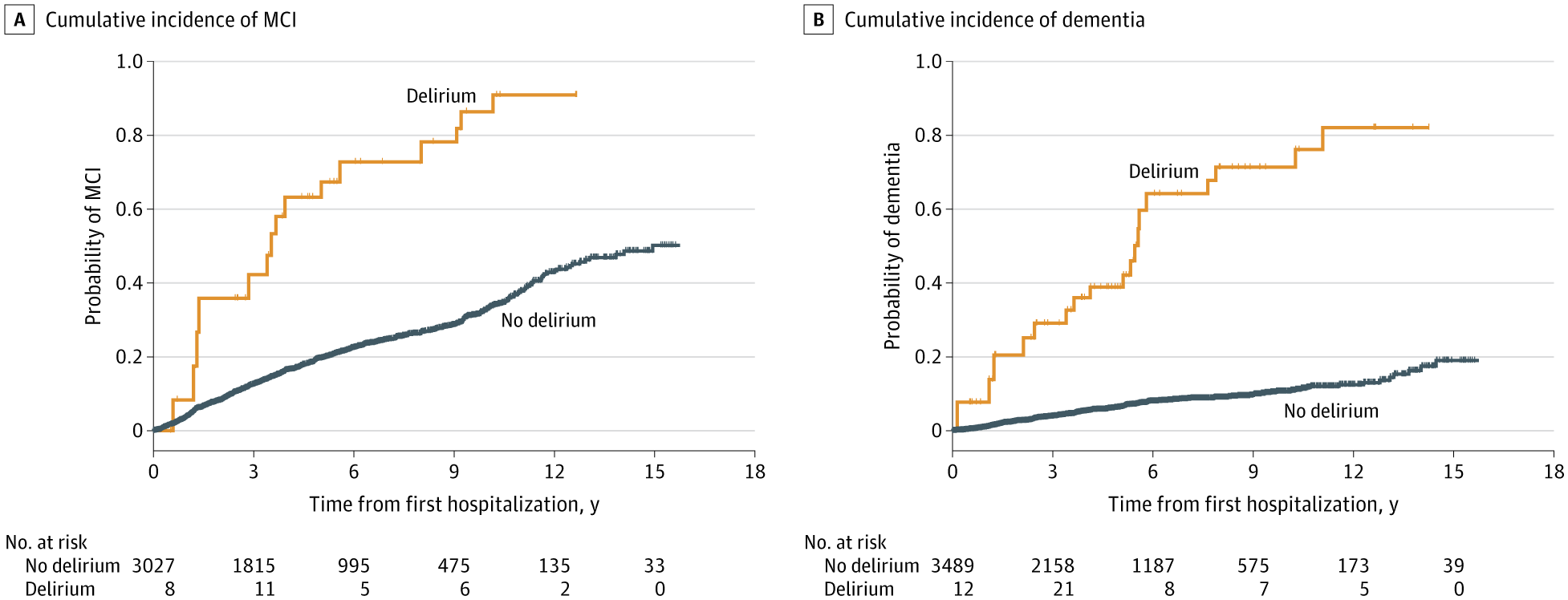
Delirium was linked to higher relative rates of mild cognitive impairment and dementia, with adjusted hazard ratios of 3.67 and 5.39, respectively, versus no delirium.
Edited by Boris Djordjevic · AgingResearch.News
This observational cohort study followed 3,501 adults in Olmsted County, Minnesota, who had been hospitalized and had no dementia before their first hospitalization. Their median age was 74.1 years, and 47.9% were female. Median follow-up was 7.2 years.
Researchers used automated analysis of clinical notes to identify delirium, an acute state of confusion involving difficulty paying attention. They documented it in 75 participants within 30 days of hospitalization. Experts assessed cognition about every 15 months. Delirium was associated with faster decline on cognitive tests and higher rates of developing mild cognitive impairment—thinking problems short of dementia—and dementia. The analysis accounted for age, sex, education and whether participants carried a particular gene variant.
Why it matters
Dementia is a major concern in aging, and this study addressed how acute confusion during hospitalization relates to its development over subsequent years.
Caveats
The observational design cannot establish that delirium caused later cognitive decline. The findings concern hospitalized adults from one Minnesota county, and only 75 had documented delirium.
The paper
Delirium and Long-Term Cognitive Trajectories in Cognitively Unimpaired Adults
Mayo Clinic; Robert and Arlene Kogod Center on Aging
JAMA Neurology, Nov 2, 2026


Comments
Be the first to comment.