Attention-deficit/hyperactivity disorder linked to impaired thinking
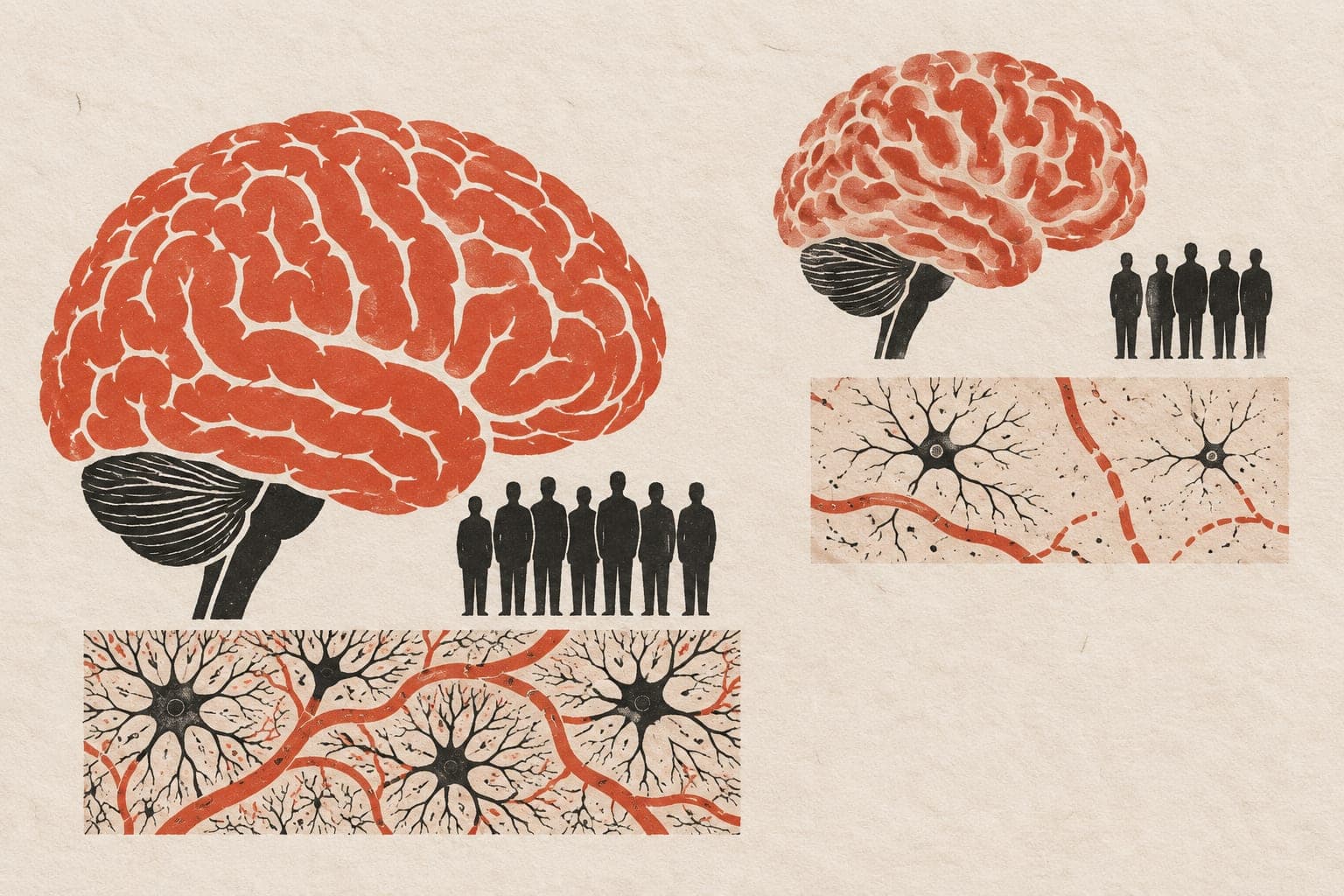
Cognitive impairment developed in 6.7% of participants with the disorder, compared with 3.4% without it, in a cohort of adults aged 50 and older.
JAMA Psychiatry
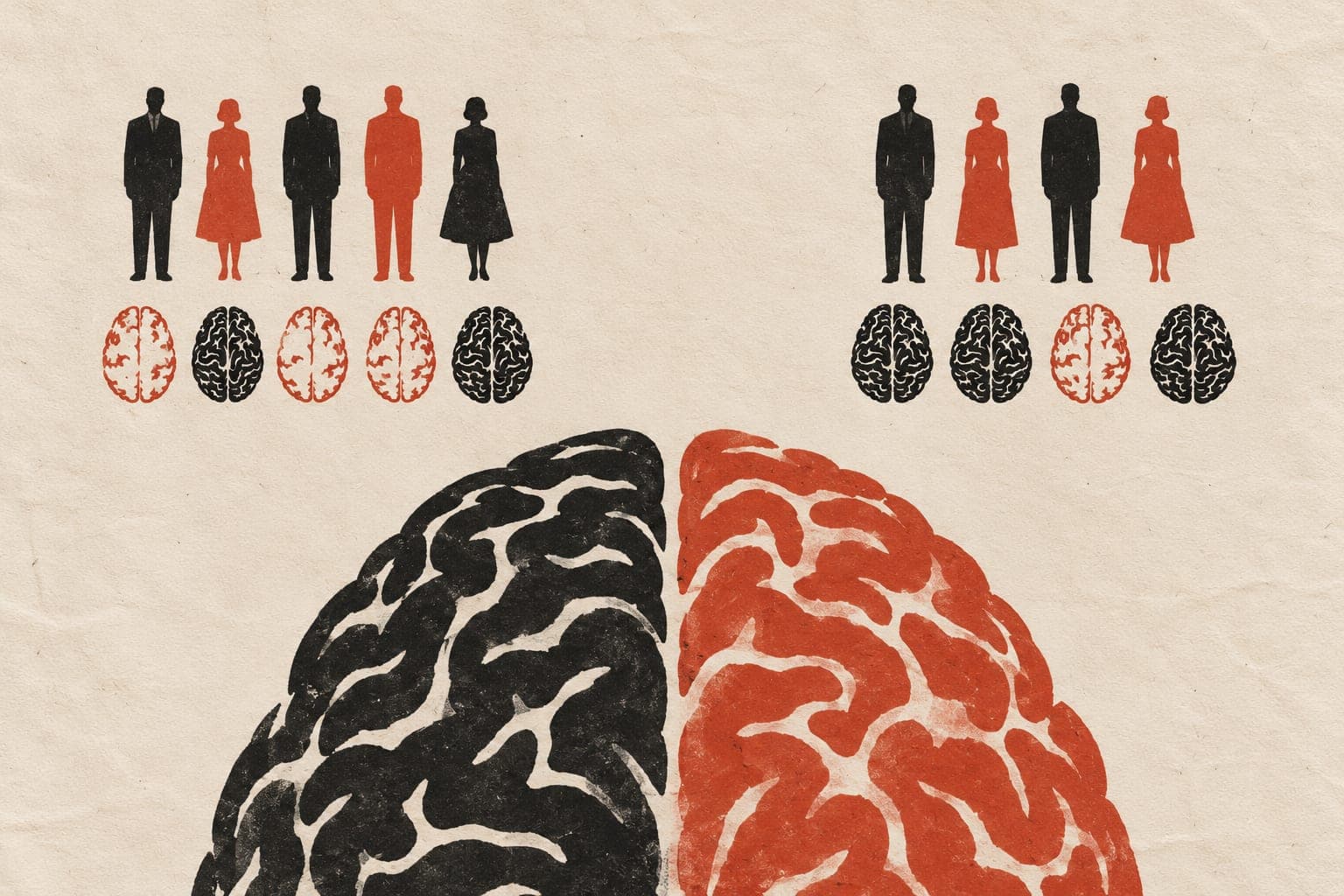
This observational cohort study included 187,341 participants aged 50 years and older in the US All of Us Research Program. Average follow-up was 10.26 years. Researchers used electronic health records to identify attention-deficit/hyperactivity disorder and new diagnoses of impaired thinking, defined as mild cognitive impairment or dementia. Of the participants, 3,026 had the disorder.
The disorder was linked to a higher risk of cognitive impairment. Adjusting for other illnesses, education and health care use weakened but did not remove the association. A genetic score for susceptibility to the disorder was also linked to cognitive impairment. Among participants who developed cognitive impairment, the disorder was associated with poorer mental health, quality of life and social satisfaction, and greater health care use.
Why it matters
For late-life cognitive health, the findings support targeted monitoring and coordinated care for people with attention-deficit/hyperactivity disorder.
Caveats
This observational study cannot show that the disorder caused cognitive impairment. Diagnoses came from electronic health records, and unmeasured differences between groups may still have influenced the associations.
The paper
Attention-Deficit/Hyperactivity Disorder and Late-Life Cognitive Impairment
Show 8 more authors
Bruna Bellaver, Guilherme Povala, Marina S Medeiros, Firoza Z Lussier, Dana L Tudorascu, Samuele Cortese, Luis Augusto Rohde, Brooke S G Molina,University of Pittsburgh
JAMA Psychiatry · 7 Oct 2026