Gut microbe diet patterns linked to health in humans
An observational analysis of more than 72,000 people linked higher diet-related gut microbe scores to plant-rich diets, favorable clinical measures and less self-reported disease.
Our read
Biomarkers- Studied:
- Preprint: cross-sectional study of human participants in worldwide cohorts
- What changed:
- Self-reported disease was less common among people with higher diet-related gut microbe scores
- The catch:
- Disease prevalence relied on self-reports
Editor of record: Boris Djordjevic · AgingResearch.News
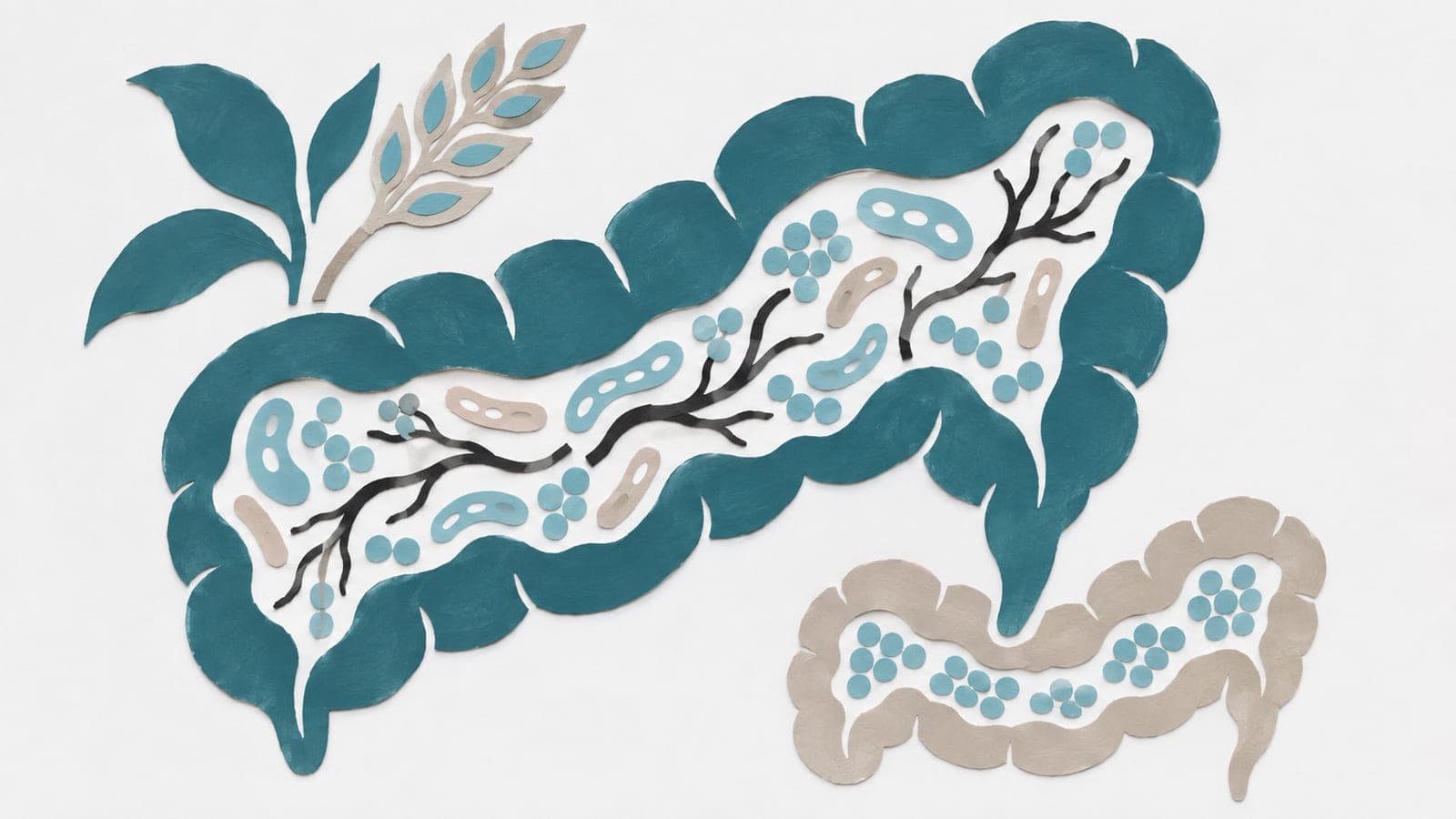
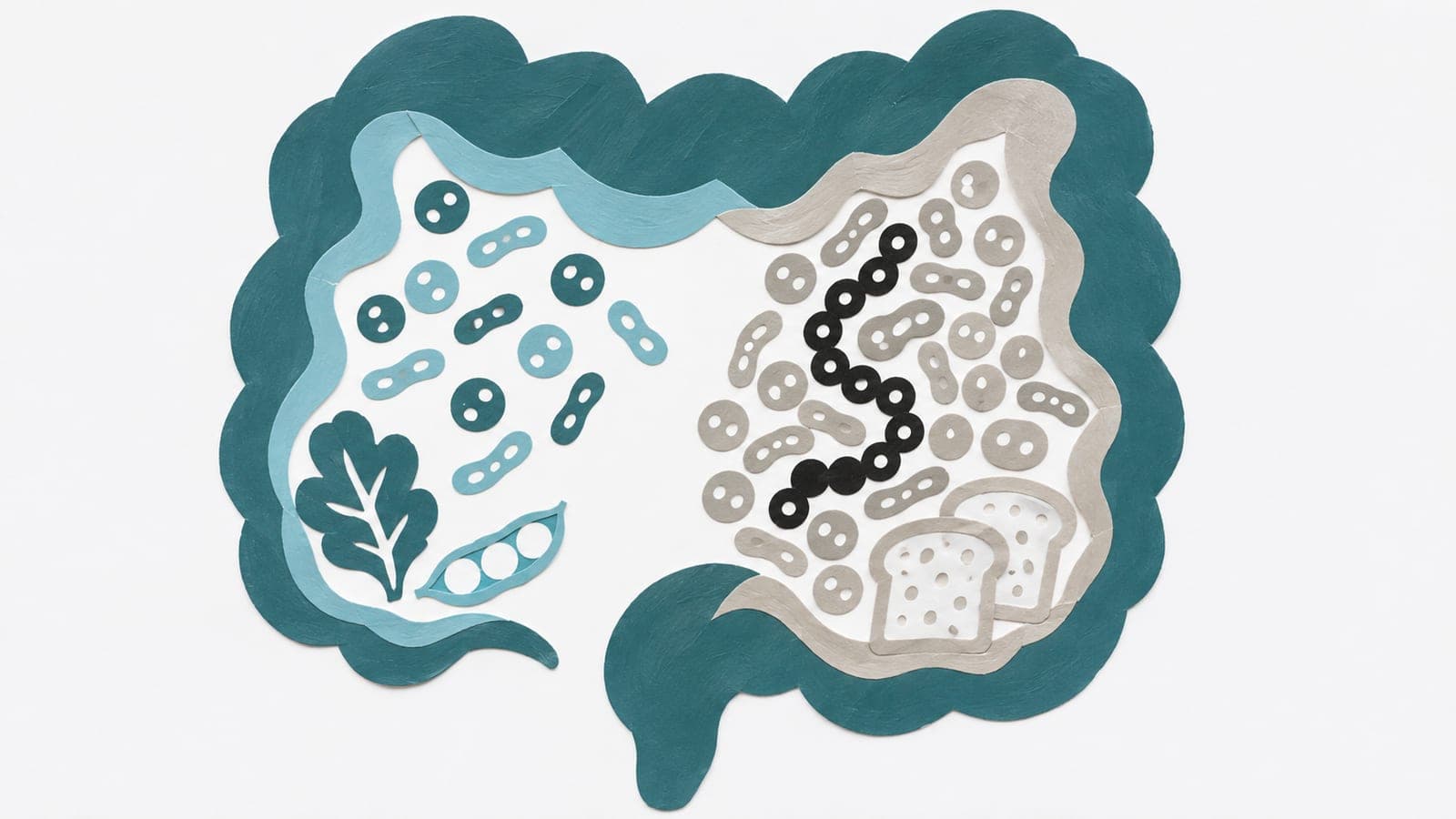
More than 72,000 participants in cohorts worldwide were included in an observational analysis linking gut microbes, diet and health. The researchers first compared 858 gut microbe samples from 109 mammalian species. They used bacterial groups characteristic of plant-eating and meat-eating mammals to build a score.
The score placed humans between these two groups. Traditional hunter-gatherers had profiles leaning toward plant-eating mammals, while urbanized humans had profiles leaning toward meat-eating mammals. Across the human cohorts, higher scores were associated with plant-based, fiber-rich diets, more varied gut microbes and greater potential for those microbes to break down plant carbohydrates. Higher scores were also linked to favorable clinical measures and a lower prevalence of self-reported disease.
Why it matters
The authors present the score as a framework connecting diet, gut microbial function and health—relationships relevant to questions about healthy aging.
Caveats
People with different diets and gut microbes may also have differed in other health-related habits that helped account for the associations; disease was self-reported. This preprint has not been peer-reviewed.
- Plant-based diet
- Fiber-rich diet
- Microbiome composition
- Herbivore-Carnivore index
- Microbial diversity
- Humans
The paper
Laboratory of Animal Science, Department of Applied Biological Sciences, Faculty of Agriculture, Setsunan University, Osaka 573-0101, Japan
bioRxiv, Nov 11, 2026, Open access, Preprint, not yet peer-reviewed

Comments
Be the first to comment.