Blood protein measures capture different aspects of organ biology
An observational analysis of 52,667 UK Biobank participants found that three types of organ protein measures were related but not interchangeable.
Our read
Biomarkers- Studied:
- Preprint: cohort study of 52,667 UK Biobank participants
- What changed:
- Protein measures showed different links with brain structure and organ-related traits rather than capturing a single aspect of organ aging
- The catch:
- Blood protein patterns served as indirect measures of organ biology
Editor of record: Boris Djordjevic · AgingResearch.News
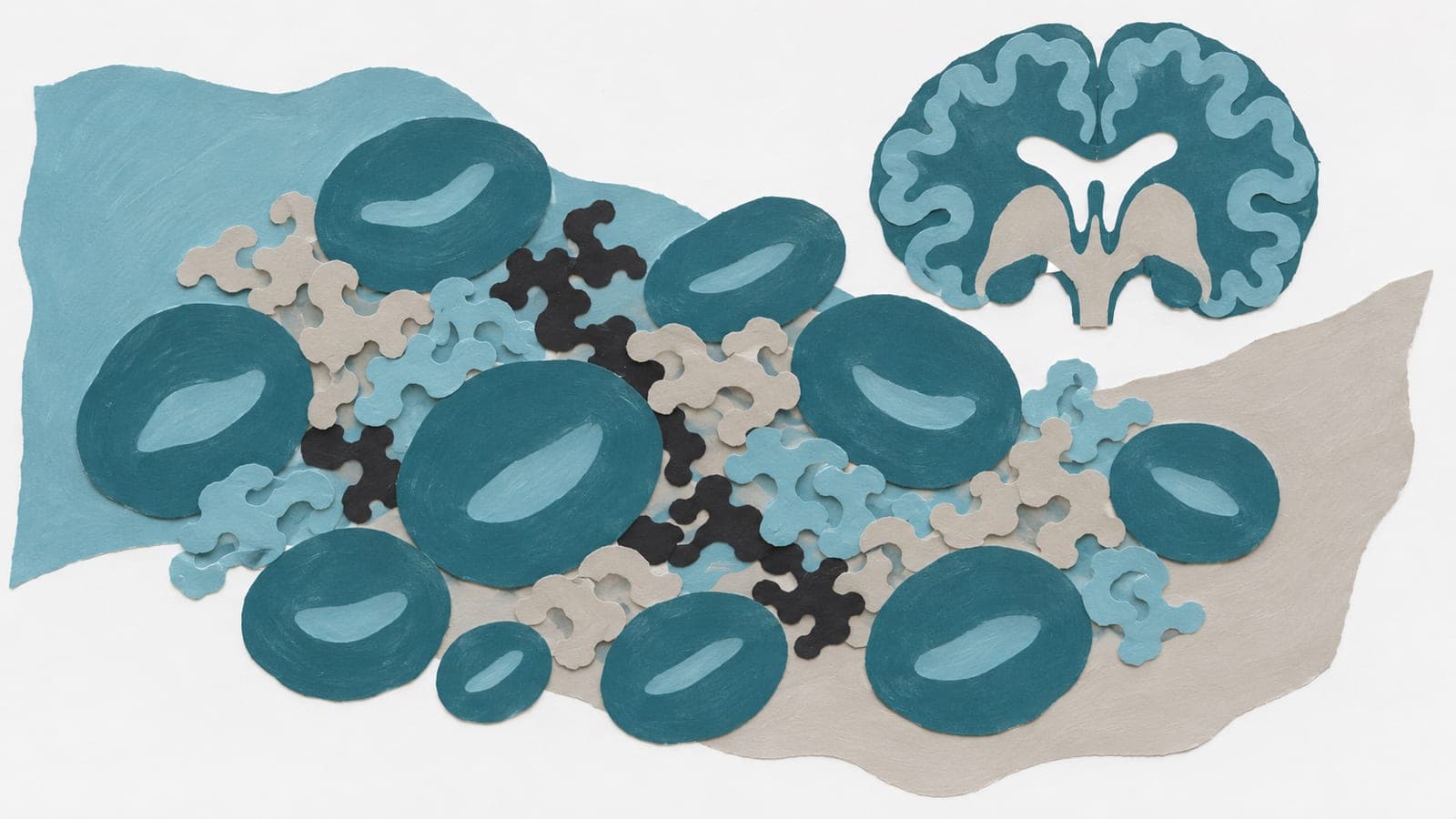
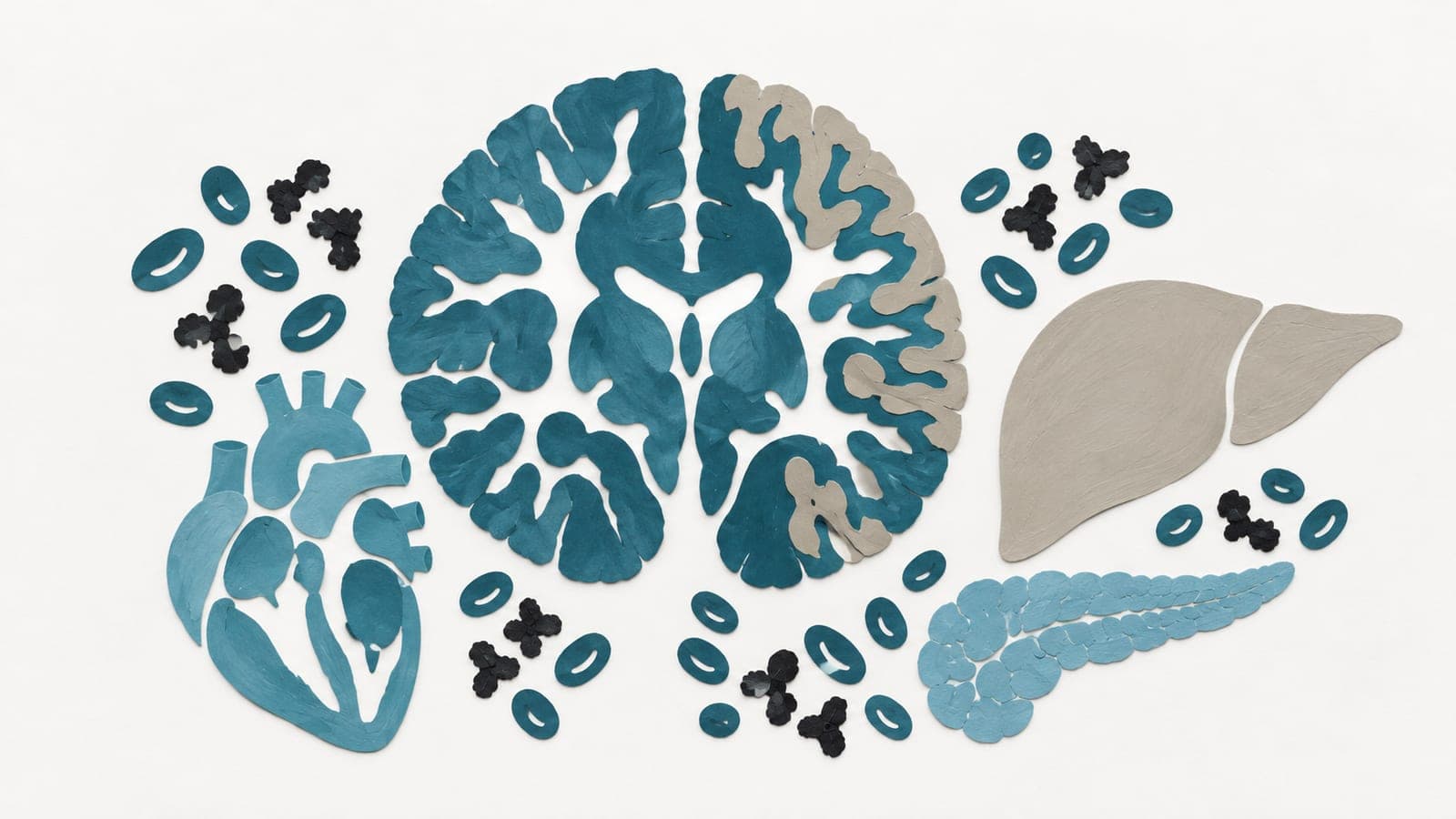
Blood samples from 52,667 UK Biobank participants were used in an observational analysis comparing three ways to summarize proteins linked to organs. One estimated how far an organ’s predicted age differed from chronological age. Another captured the main pattern of protein variation. The third linked proteins to bodily traits related to each organ. Brain scans were available for 5,078 participants.
The measures were related but not interchangeable. Age-gap measures showed the most consistent links with later recorded neurodegenerative and vascular diagnoses. All three types showed distinct links with brain structure and organ-related traits. Adding all organ age-gap measures to a demographic model improved Alzheimer’s disease prediction by 0.037 on a scale measuring how well it distinguished people who later received a diagnosis from those who did not. The authors described the added predictive value as modest.
Why it matters
Age-related brain disease raises questions about how biology outside the brain relates to brain health. Comparing these measures may help distinguish age-linked protein changes from other biological variation.
Caveats
The UK Biobank analysis left open whether protein differences contributed to disease or reflected other health differences. The work is a preprint and has not been peer-reviewed.
- Machine learning
- Vascular disease
- Alzheimer's disease
- Incident neurodegenerative and vascular diagnoses
- Neurodegenerative disease
- Humans
The paper
Lund University
bioRxiv, Nov 10, 2026, Open access, CC BY-NC, Preprint, not yet peer-reviewed
Comments
Be the first to comment.