Blood stem cell fate is not strongly linked to location in mice
Mapping bone marrow in young and aged mice found that stem cell neighborhoods were preserved with age despite changes in blood-cell development.

Limit: Early lineage priming is a stand-in for later blood-cell development
Edited by Boris Djordjevic · AgingResearch.News
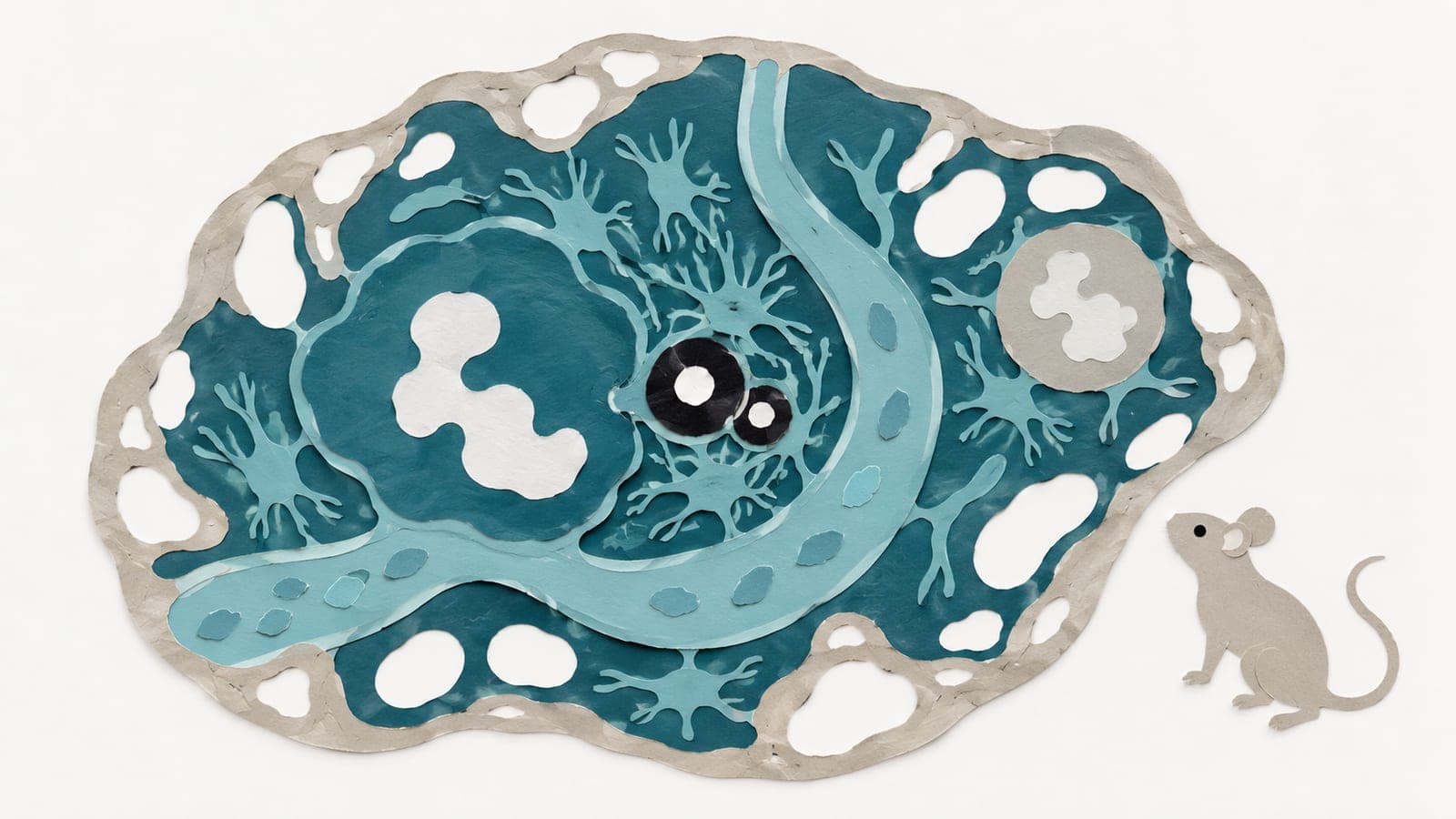
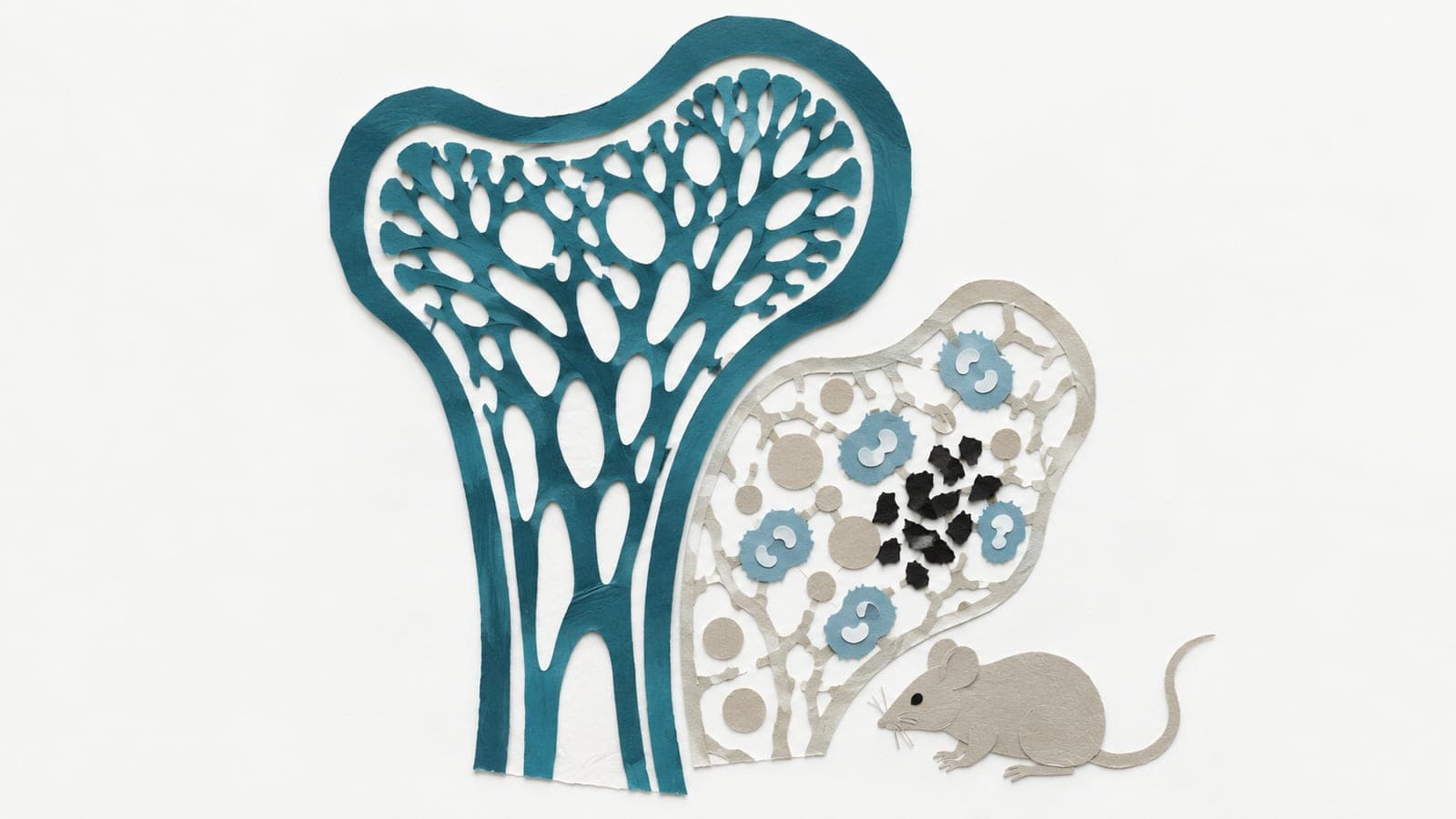
In young and aged mice, researchers mapped cells and their gene activity in thigh-bone marrow to examine the surroundings of blood-forming stem cells. These stem cells produce the different types of blood cells. Their local support environments are called niches.
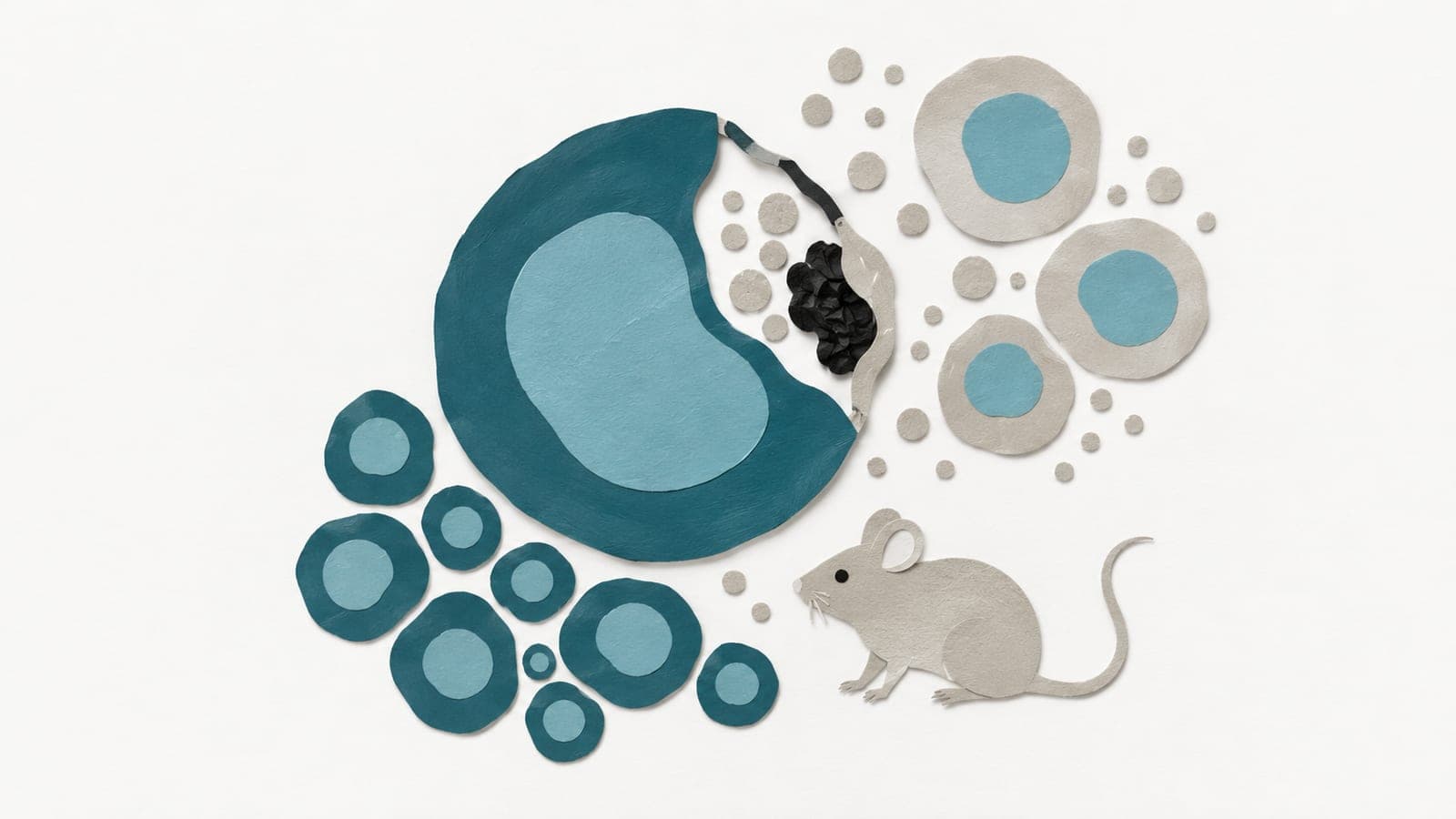
The animal study found that niches differed in location and cellular makeup. However, early signs that stem cells were preparing to produce particular blood-cell types were not strongly associated with niche identity. Signals shaping these choices were supplied across multiple niches. Aging changed the marrow’s cellular makeup, gene activity and blood-cell development, but the stem cell niches remained preserved. The results were consistent with a model in which support for blood formation is distributed across marrow locations rather than divided among separate sites.
Why it matters
Blood-cell production changes with age. This work bears on whether those shifts depend on where blood-forming stem cells reside.
Caveats
The spatial analysis does not establish that local environments have no influence on later blood-cell development. This mouse study is a preprint and has not been peer-reviewed.
The paper
Early hematopoietic fate decisions are independent of bone marrow niche
Boston Children's Hospital
bioRxiv, Oct 23, 2026, Open access, CC BY-NC, Preprint, not peer-reviewed