DNA-based model detects age-linked shifts in cells
In sorted cell populations, a machine-learning model found age-associated shifts in DNA marks towards a developmental family that includes connective-tissue cells.
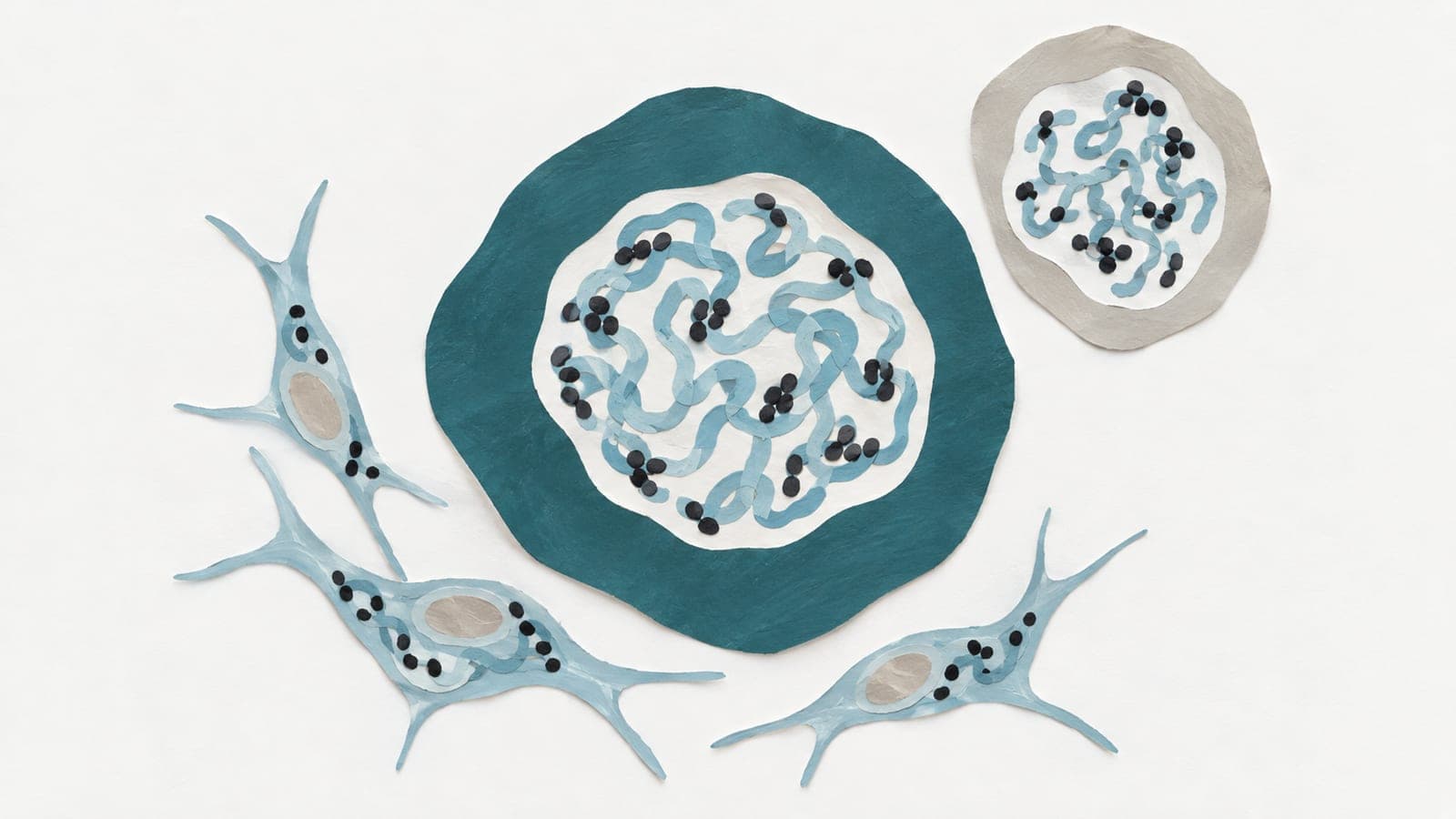
Researchers built and tested a machine-learning model in single cells, sorted cell populations and tissue samples to estimate how specialised cells were. The model, called EpiDiff, used DNA methylation, chemical marks attached to DNA, to produce a differentiation score. Differentiation is the process by which cells become specialised. Tests included experiments involving cell specialisation and reprogramming, which changes cell identity.
In sorted cell populations, the score increased with age. Many cell types showed age-associated shifts in their DNA marks towards the mesenchymal lineage, a developmental family that includes connective-tissue cells. In normal tissue samples, the model was also predictive of exposure to cancer-causing agents and cancer risk.
Why it matters
Measuring cell specialisation could help researchers investigate how the organisation of cell development changes in aging and disease.
Caveats
The differentiation scores were estimates based on DNA marks, and the age-related associations did not establish cause and effect. The paper is a preprint and has not been peer-reviewed.
The paper
Chinese Academy of Sciences; Shanghai Institute for Nutrition and Health
bioRxiv, 11 Oct 2026, CC BY-NC-ND, Preprint, not peer-reviewed