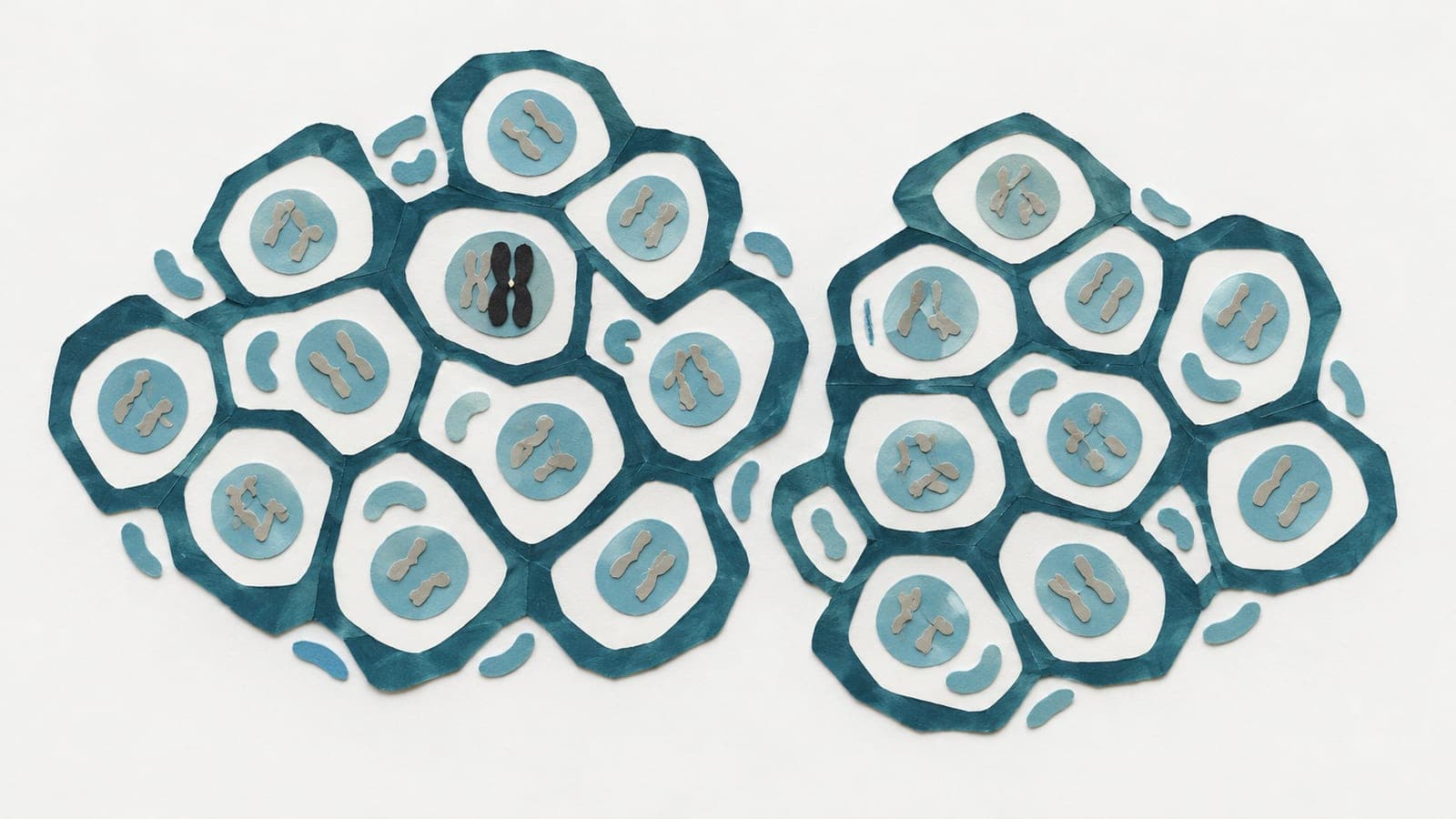
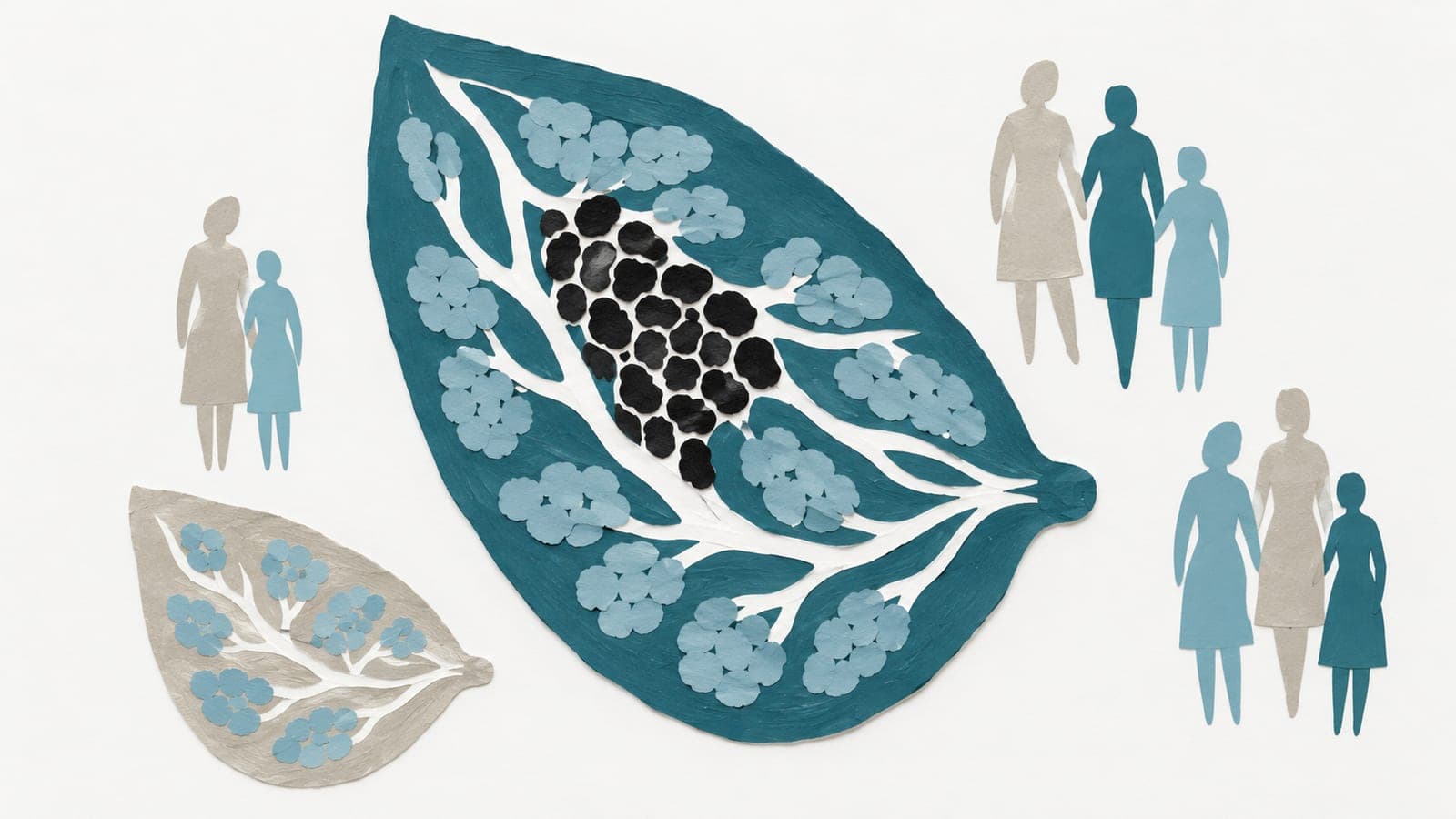
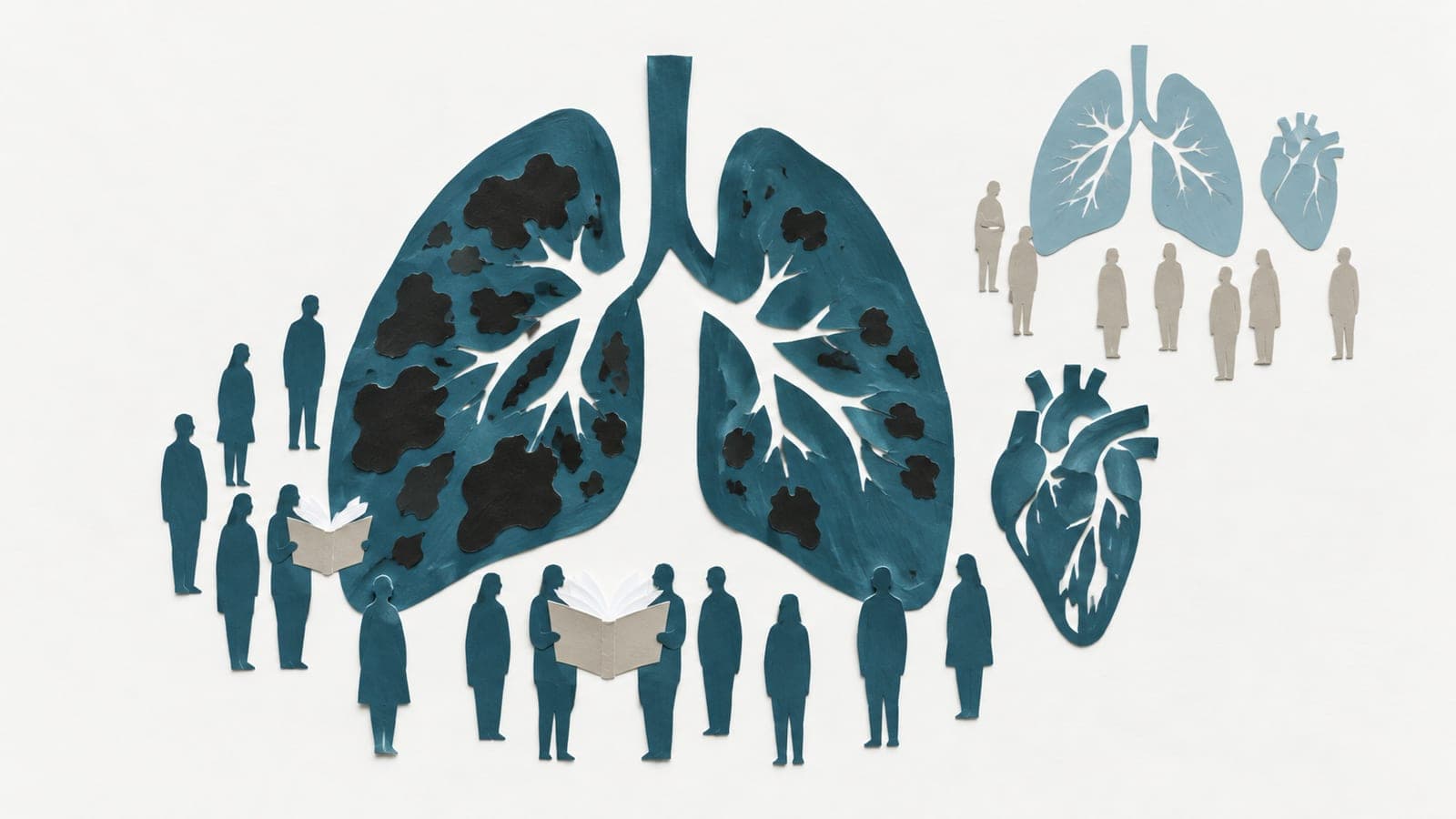
Young adults’ tumours carried fewer acquired DNA changes
An observational study compared genomes from 698 people aged 18–39 and 5,220 older adults; their tumours largely shared the same cancer-driving genetic changes.
5,220 participants
Limit: Age-dependent cancer subtypes could explain some apparent age differences in tumour genomes
In an observational study, researchers analysed the complete DNA sequences of paired tumour and normal samples from 698 adolescents and young adults aged 18–39 and 5,220 older adults. They also compared groups matched by cancer type to separate age-related differences from differences between cancers.
Younger people’s tumours carried fewer acquired DNA changes but largely shared the same genetic changes that help cancers grow. Many apparent age differences reflected cancer subtypes that varied with age. Harmful inherited DNA changes linked to the cancer type occurred in 10.9% of younger people overall, compared with 6.6% of matched older adults. The findings supported comprehensive analysis of both tumour and normal DNA, rather than testing only for cancer-driving changes.
Why it matters
Cancers arising at different ages raise questions about the roles of inherited susceptibility and DNA changes acquired during life. This work addressed how those contributions may differ across adulthood.
Caveats
This observational comparison identified age-related associations, not what caused them. The paper is a preprint and has not been peer-reviewed.
The paper
The pan-cancer whole-genome landscape of Adolescent and Young Adult solid cancers
bioRxiv, 16 Oct 2026, Open access, CC BY-NC, Preprint, not peer-reviewed