Cancer survivors face more illnesses, especially with low education
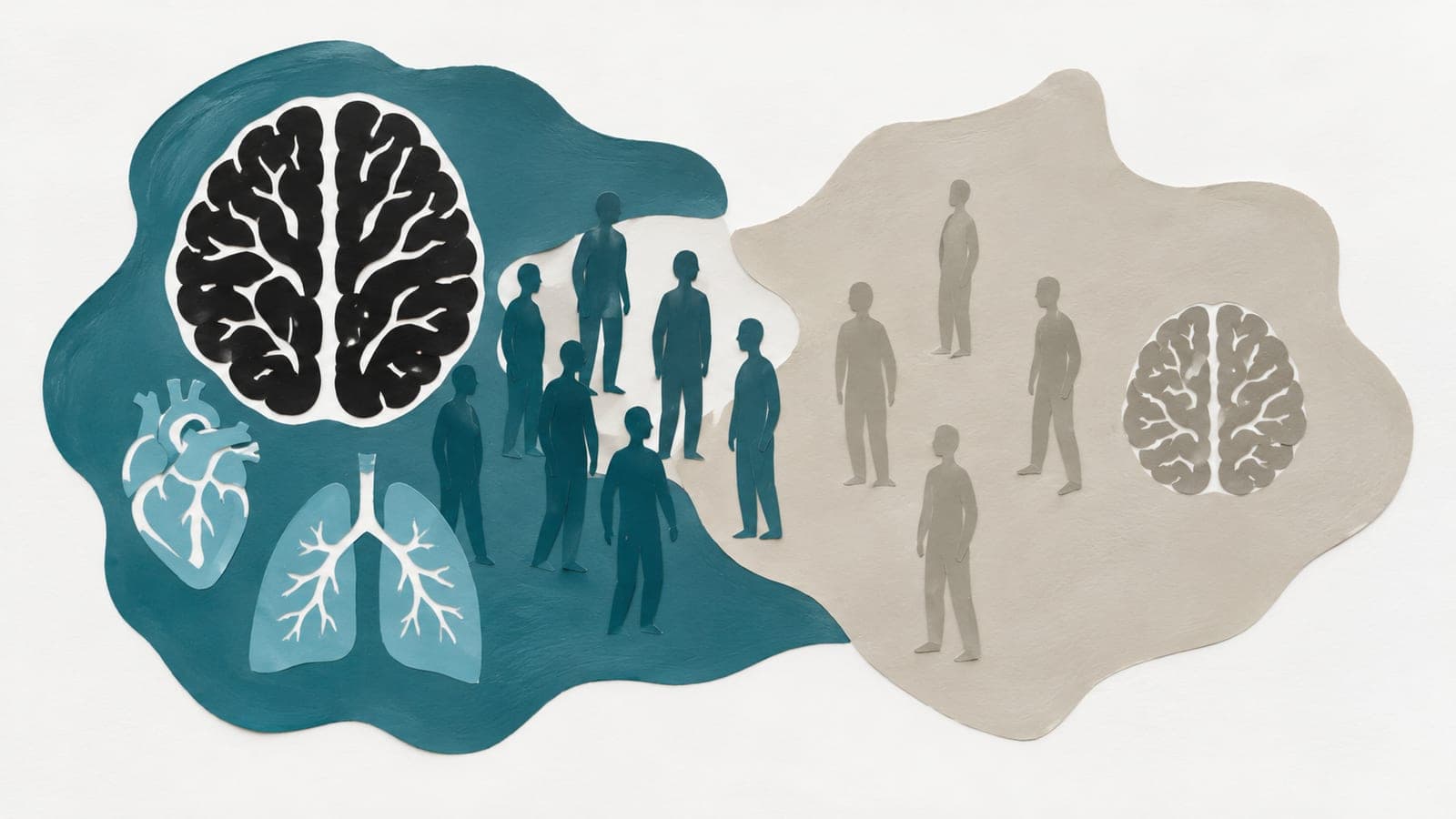
In over 109,000 Danish cancer survivors followed for a median 6.9 years, new illness rates exceeded those of cancer-free peers, with short education linked to further increases.
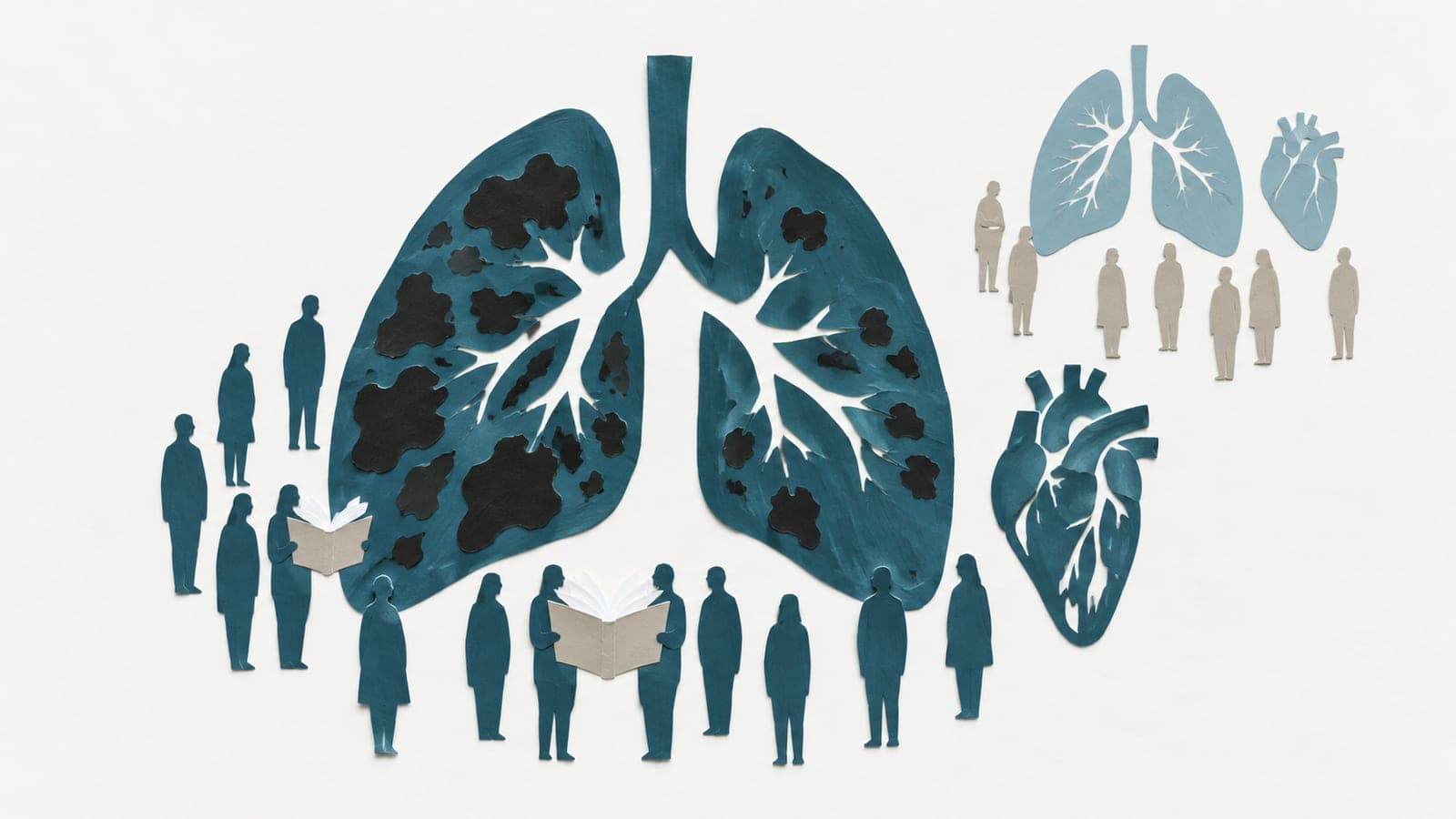
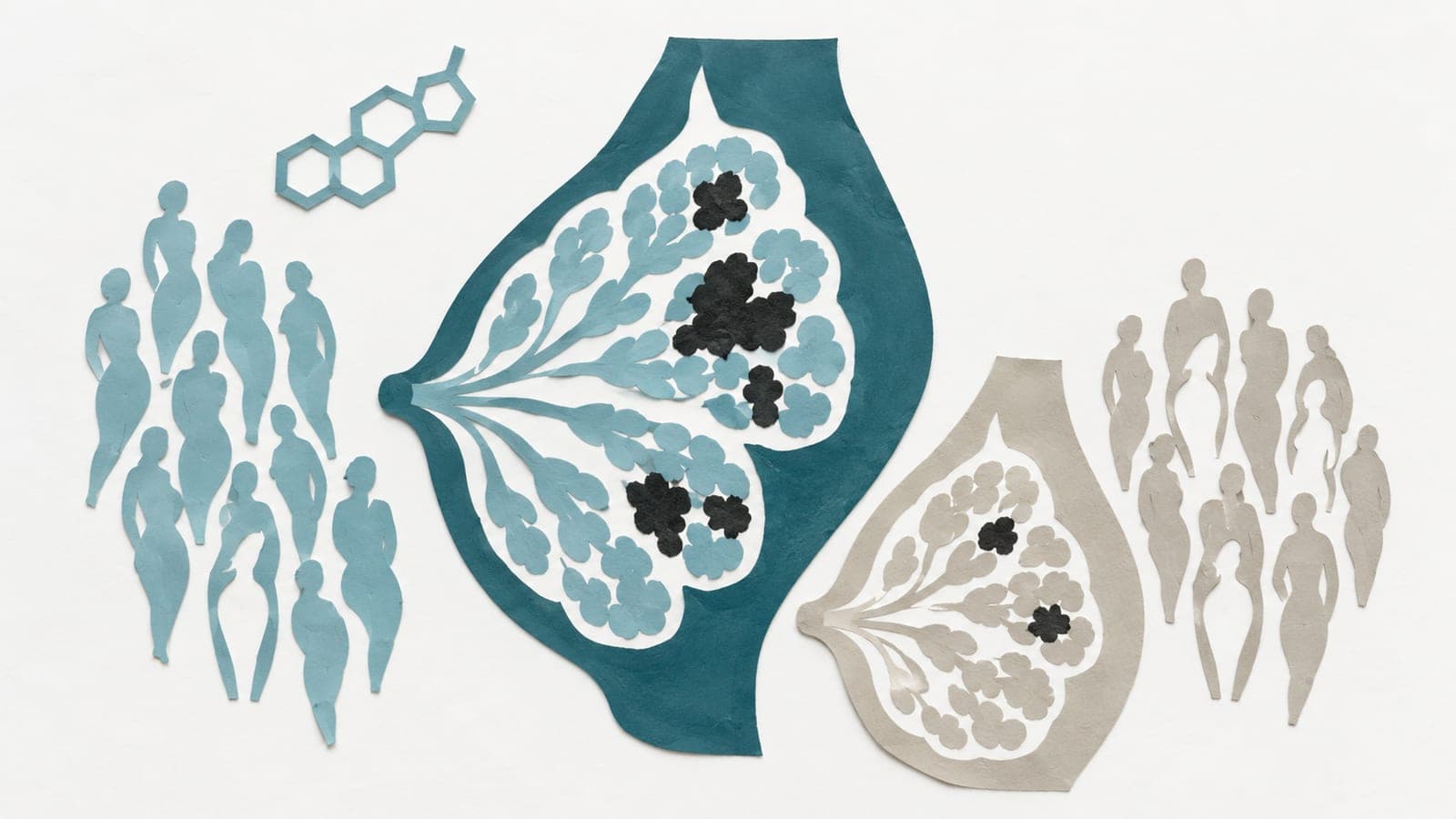
In a retrospective cohort study, researchers analysed 109,224 Danish adult cancer survivors treated curatively for lung, breast, prostate, or colon cancer between 1997 and 2018, alongside 574,022 cancer-free individuals matched for age and sex. Using national registries, the authors tracked 16 new medical conditions over a median follow-up of 6.9 years.
Cancer survivors had higher rates of new illnesses than cancer-free peers. Survivors of lung and colon cancer had elevated rates for 14 conditions, breast cancer survivors for 12, and prostate cancer survivors for 8. Sociodemographic disadvantages were linked to further increases in risk. Survivors with a short education had higher rates of chronic respiratory disease, heart failure, diabetes, and depression across multiple cancer types. Living alone was also linked to increased rates, though this association was less pronounced.
Why it matters
Cancer therapies may accelerate biological aging, leaving survivors prone to conditions typically seen at older ages. These findings suggest that social factors influence how quickly health declines after treatment, pointing to a need for targeted survivorship care.
Caveats
Because the study was observational and based on registry data, it cannot show that social factors directly caused the additional health conditions. The results also reflect the Danish healthcare system and may differ in other countries.
The paper
Persistent Health Disparities Among Adult Cancer Survivors
Danish Cancer Institute
International Journal of Cancer, 9 Oct 2026