Protein comparisons identify new longevity regulators in worms
Researchers compared five protein-measuring methods in worms with mutations in an insulin-related signalling system, then used genetic screening to identify longevity regulators.
bioRxiv
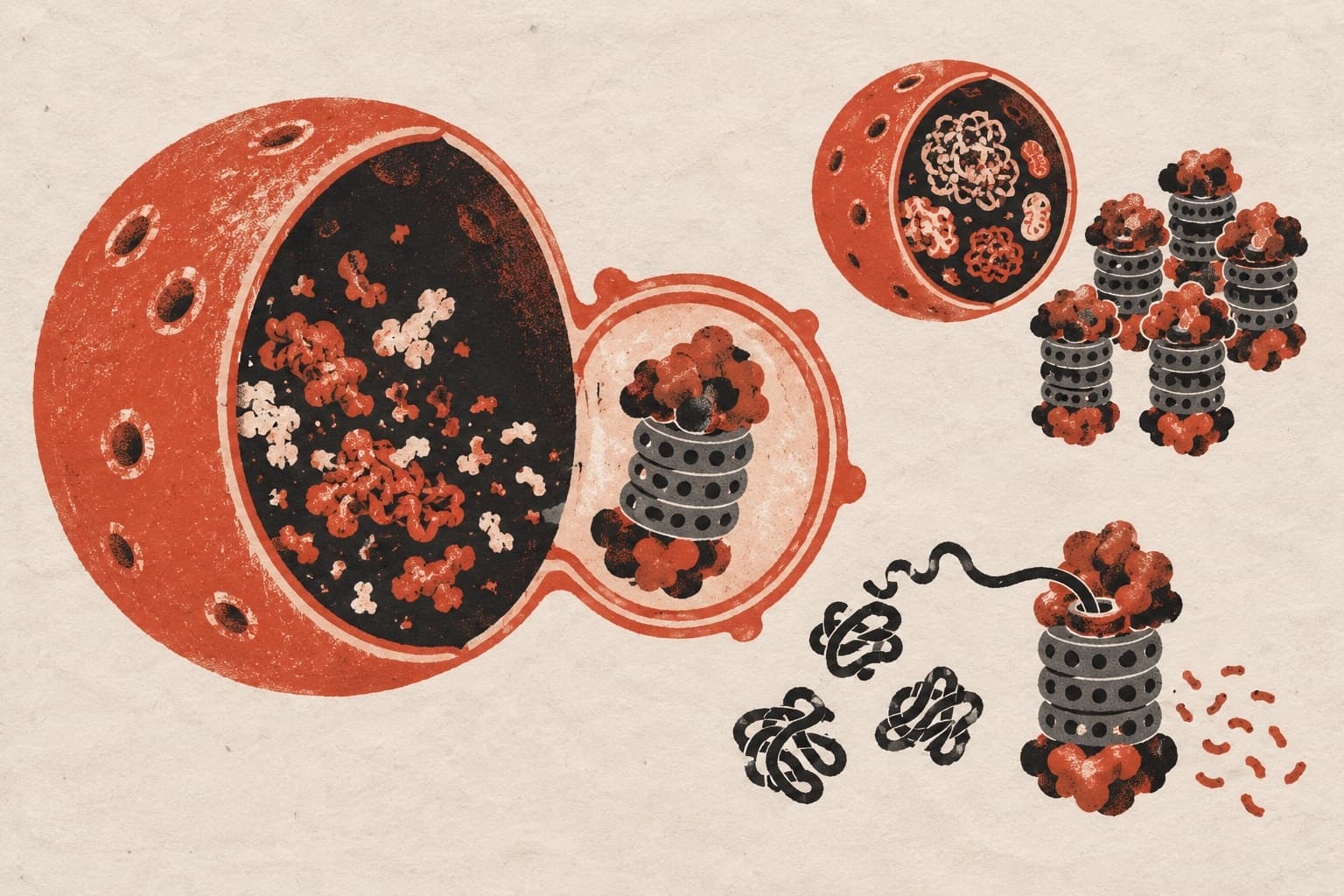
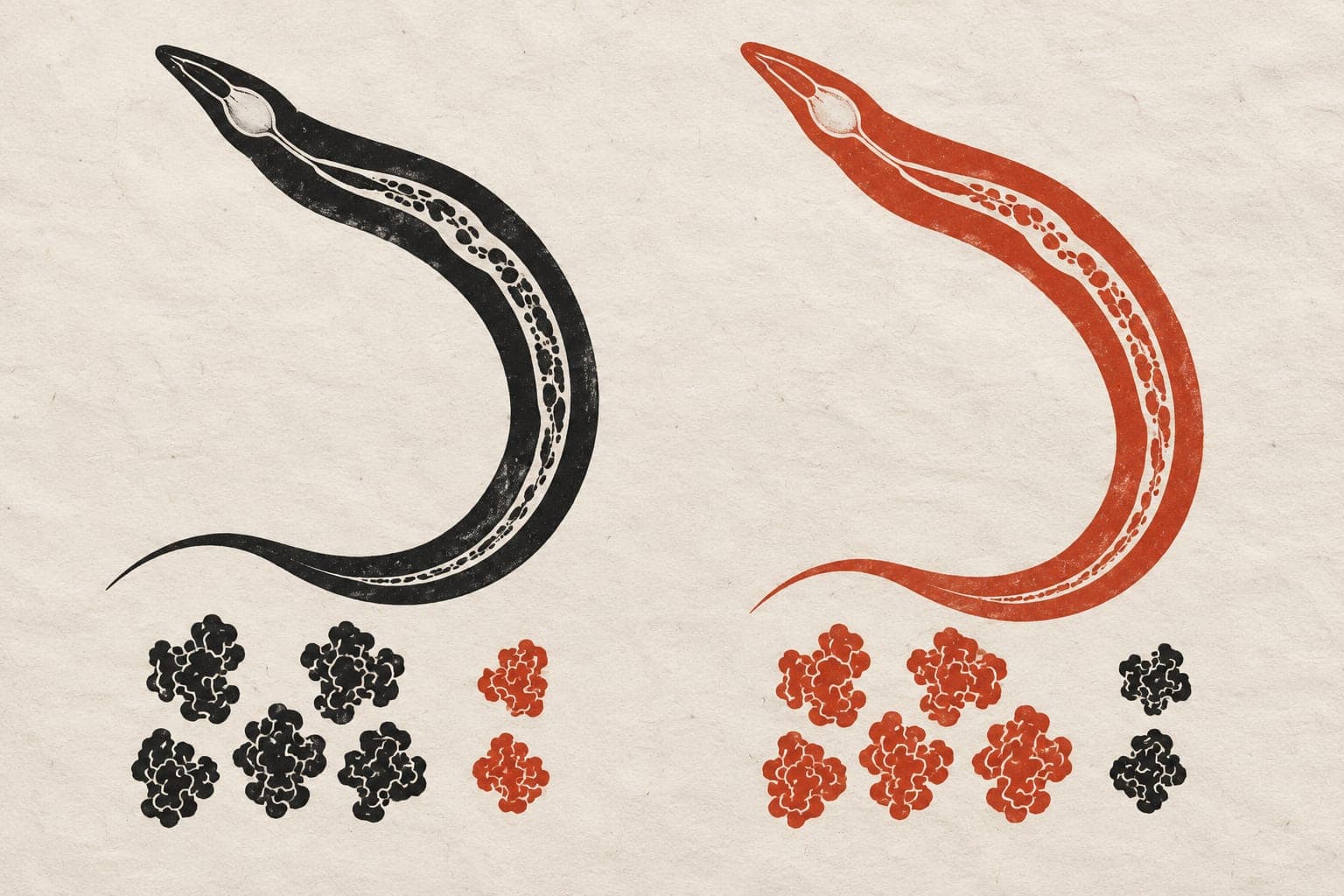
In experiments in Caenorhabditis elegans worms, researchers measured proteins in animals with mutations in an insulin-related cell-signalling system. They compared five methods for measuring proteins to look for changes linked to longevity. They focused on proteins whose levels changed significantly in the same direction across multiple independent measurement methods.
The researchers combined these comparisons with genetic screening, a way to test which genes contribute to a biological process. They identified new longevity regulators and obtained a broad picture of protein changes associated with longevity in the worms. Their comparison also provided a resource for choosing among methods for measuring proteins.
Why it matters
Insulin-related signalling regulates longevity in species ranging from worms to humans. The work offers candidates for investigating how proteins contribute to lifespan regulation.
Caveats
The findings came from laboratory experiments in worms, not studies in people. The paper is a preprint and has not yet been peer-reviewed.
The paper
Comparative proteomic quantification reveals novel longevity regulators
Show 9 more authors
V. Vallanadu, K. Ashley, S. R. Pitts, A. S. Mutlu, Y. Zhou, X. Ma, J. M. Choi, F. Jin, J. Wang,Janelia Research Campus, Howard Hughes Medical Institute
bioRxiv · 7 Oct 2026 · CC BY · Preprint, not peer-reviewed