Rank normalization resolves distinct proteome degradation pathways in cultured cells
A percentile-based normalization method reveals substrate preferences between proteasomal and lysosomal clearance systems in cultured cells.
bioRxiv
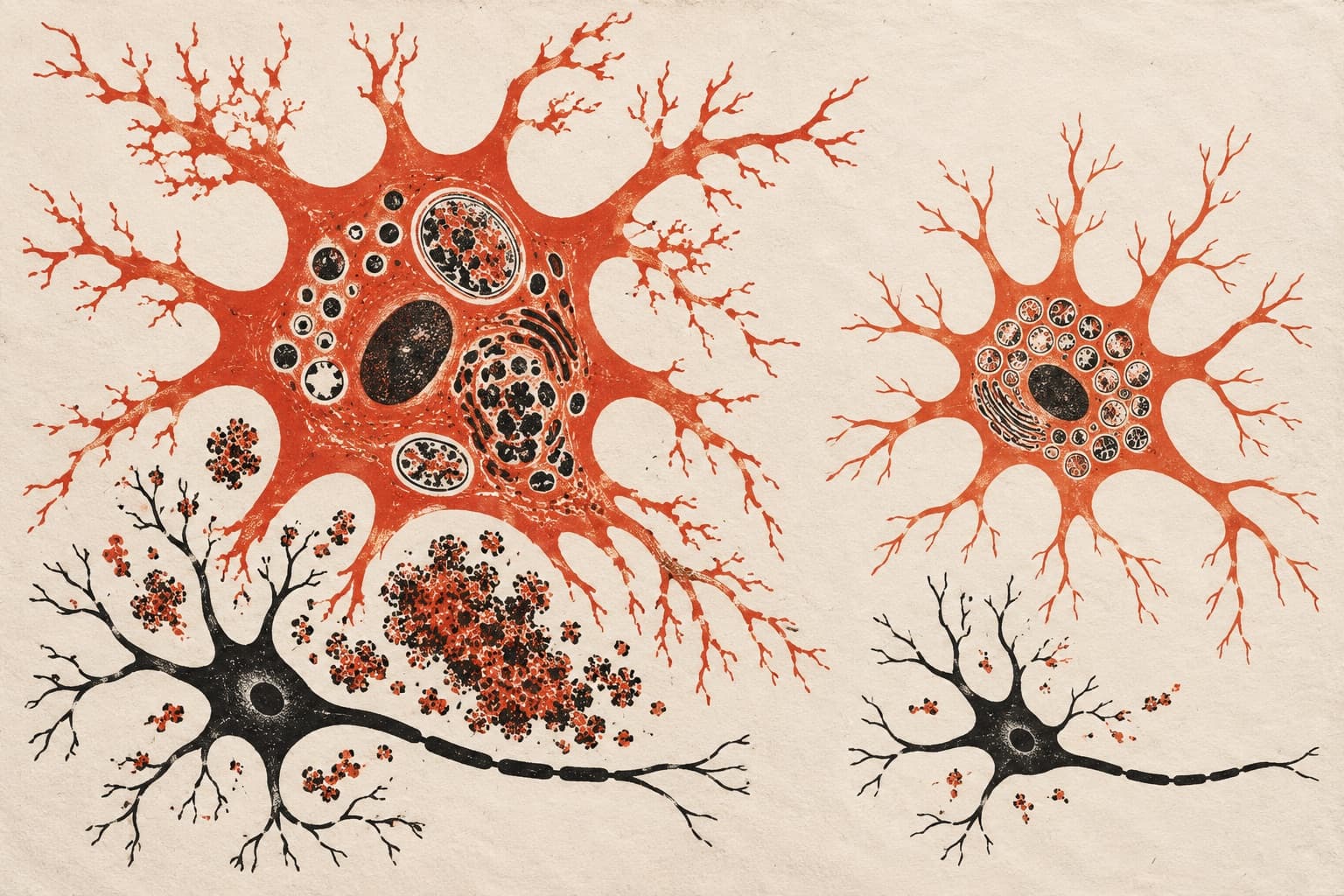
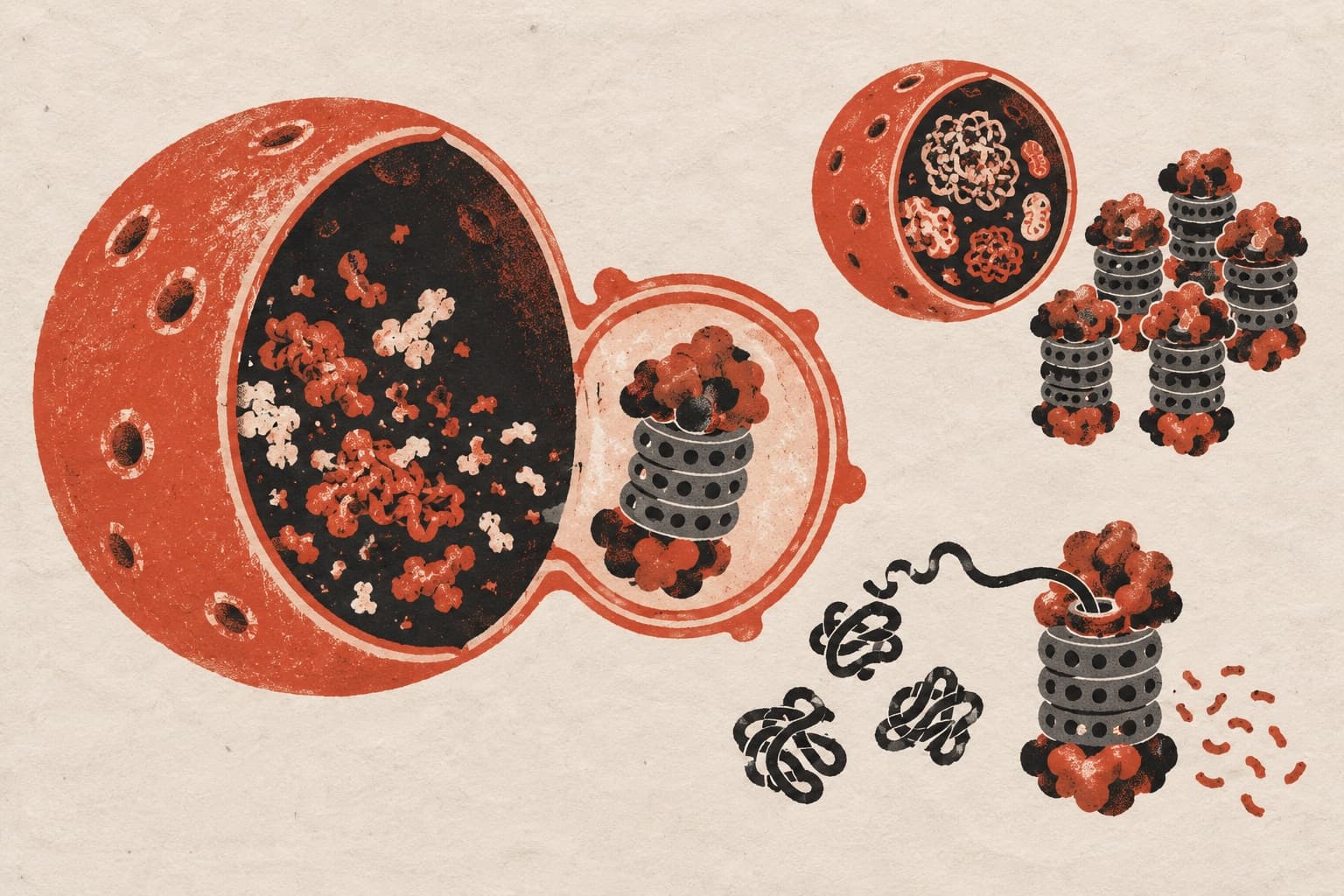
In cultured cells, researchers developed a rank-normalization method to directly compare how proteins are cleared by the ubiquitin proteasome system and the autophagy lysosomal pathway. The preprint reports combining pulse stable isotope labeling by amino acids in cell culture with selective pathway inhibitors. Direct comparisons typically suffer from mismatched dynamic ranges between different perturbations. By converting protein stabilization values into percentile ranks within each condition, the authors placed both systems onto a shared scale. Across two independent experiments, the authors quantified 5,518 proteins, obtaining high-confidence half-lives for 3,814 proteins across control, proteasome-inhibited, and lysosome-inhibited states. The analysis revealed relative clearance preferences across the proteome. Specifically, lysosomal inhibition led to the coordinated stabilization of proteasome core and regulatory subunits, offering proteome-wide quantitative support for proteaphagy.
Why it matters
Disrupted proteostasis is a major contributor to aging and neurodegenerative disease. Tracking which clearance pathways handle specific substrates can help researchers understand how cellular degradation networks alter with age.
Caveats
The study was conducted in cultured cells and is a preprint that has not yet completed peer review. In addition, the method measures relative pathway preferences rather than the absolute contribution of each degradation route.
The paper
Scripps Research Institute
bioRxiv · 2 Oct 2026 · CC BY · Preprint, not peer-reviewed