Skeletal Muscle Stem Cell-Derived Myonuclei Adopt Divergent Terminal Transcriptional States in Adult and Aged Muscle In Response to a Hypertrophic Stimulus
Abstract
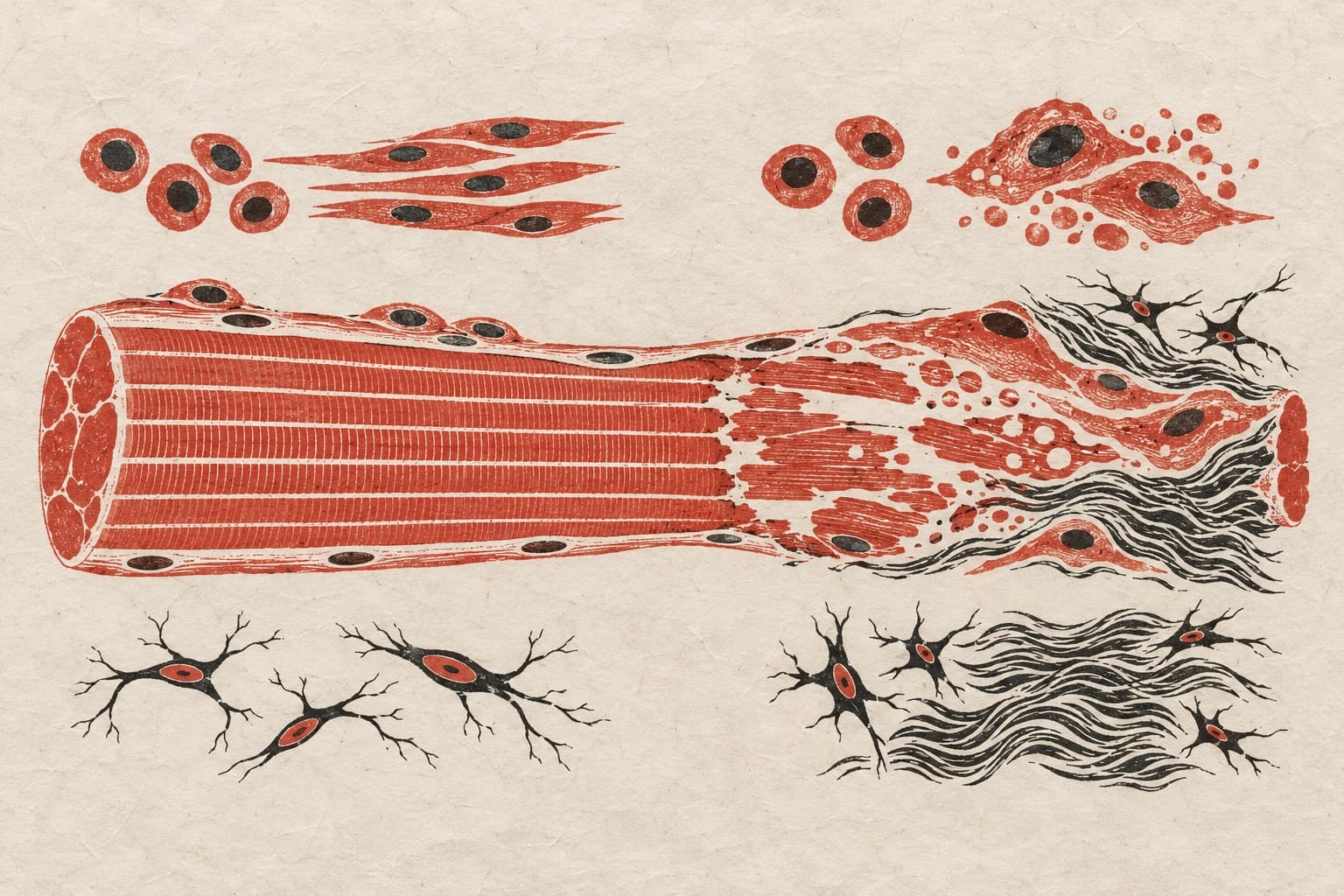
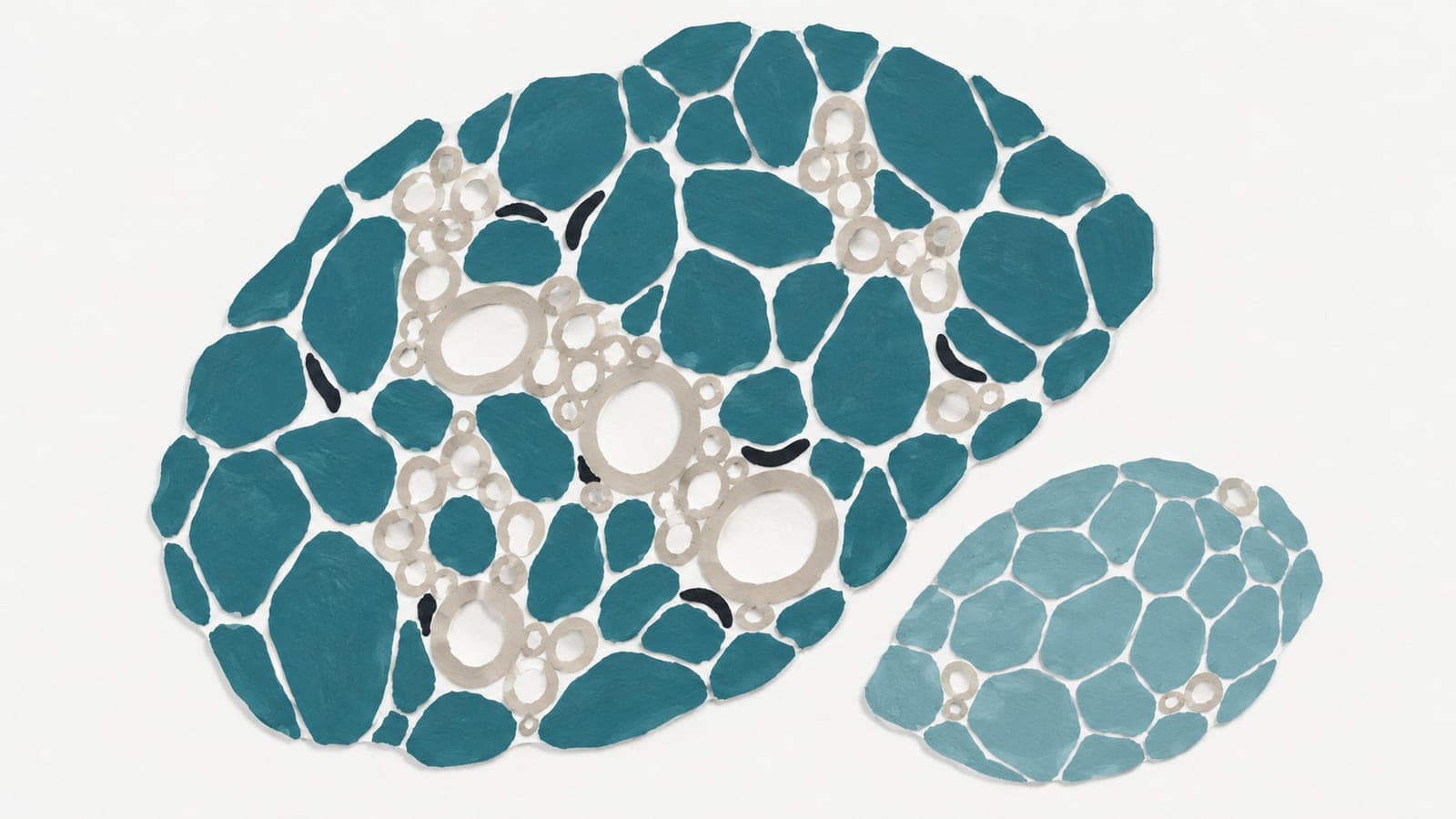
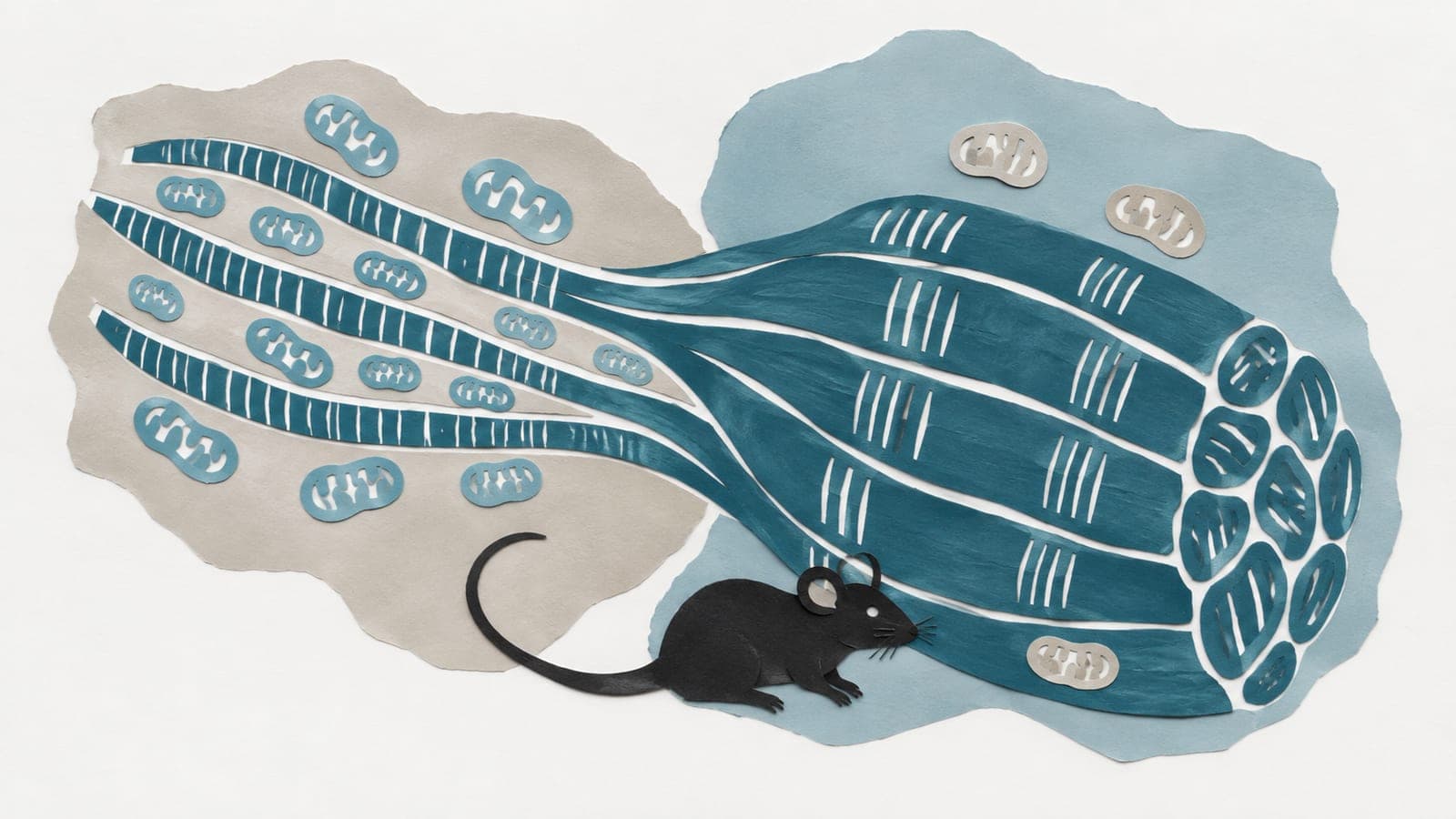
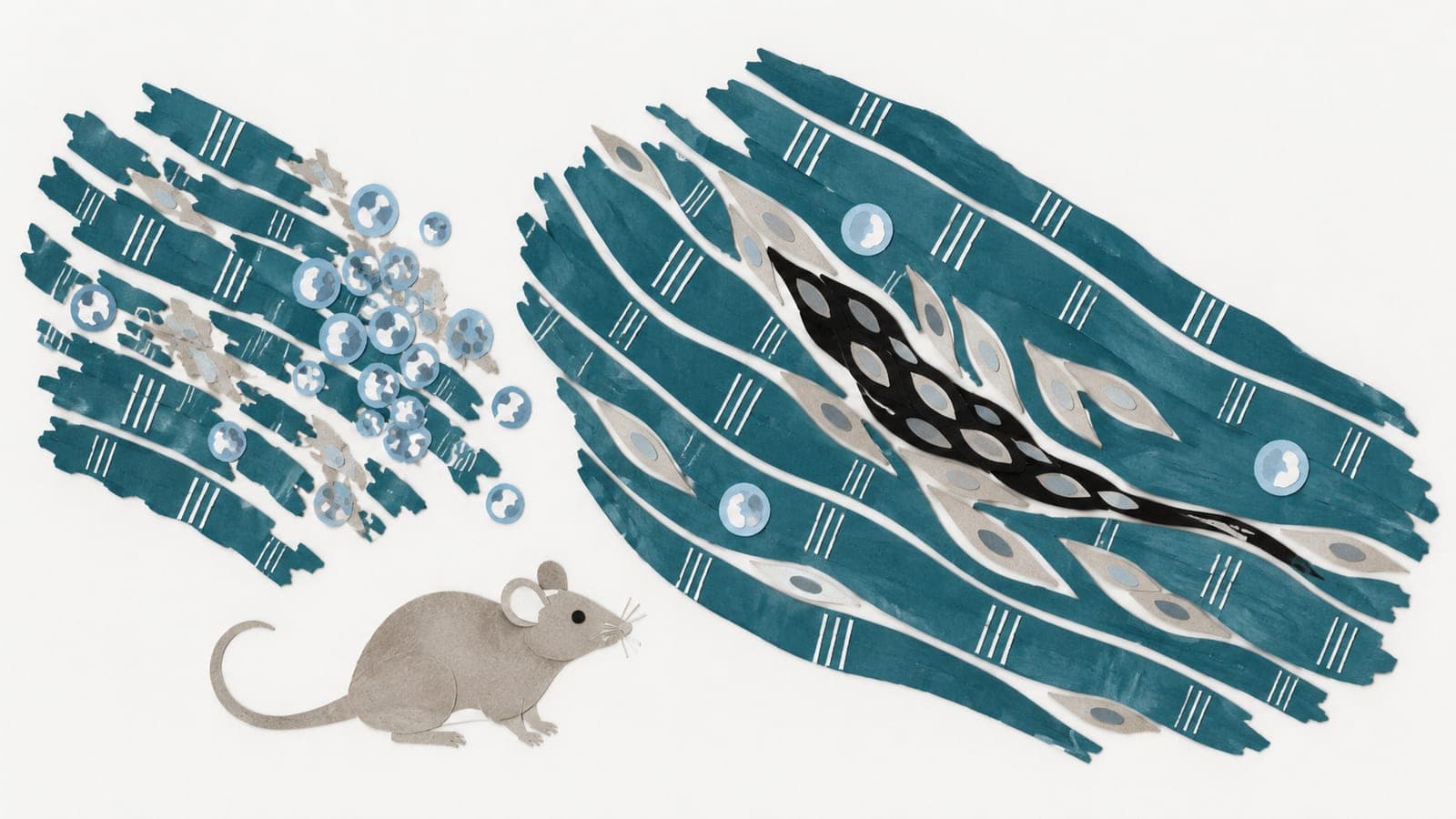
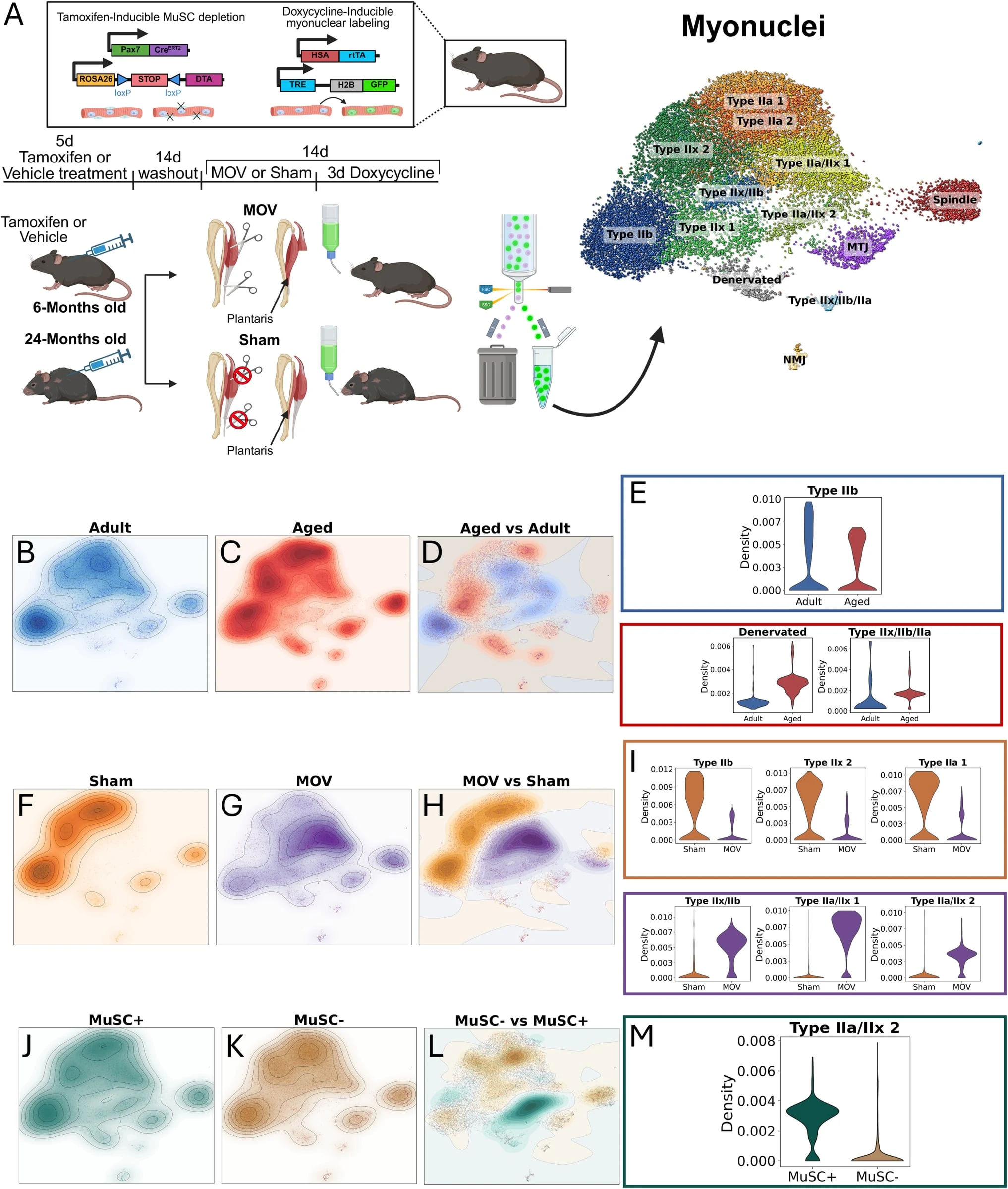
Skeletal muscle stem cells (MuSCs) give rise to a fusogenic cell population that provide new myonuclei to muscle fibers. Myonuclear functional heterogeneity has recently become appreciated, but the terminal identity of MuSC-Derived myonuclei remains undefined. We performed single-nucleus RNA-sequencing of myonuclei in Adult and Aged muscle to define MuSC-Derived and resident myonuclear responses to mechanical overload (MOV), which induces a hypertrophic stimulus. We found a MuSC-dependent induction of a youthful transcriptional signature in resident myonuclei after MOV in Aged muscle. Age determined terminal transcriptional states of MuSC-Derived myonuclei toward MTJ in Adult, NMJ in Aged, and muscle spindles in both ages. Microtubule-remodeling genes, Macf1, Map1b, and Nav3, along with the transcription factor Runx1, identified this post-fusion specialization with greater expression of these genes in Adult than in Aged MuSC-Derived myonuclei. In-silico transcription factor KO screen identified Runx1 as a regulator of post-fusion specialization and Esrrg as a driver of spindle (intrafusal) MuSC-Derived myonuclear maturation. By defining the age-associated fate of MuSC fusion to muscle fibers, we provide potential targets for modulating muscle plasticity.
The paper
University of Kentucky
bioRxiv, 27 Aug 2026, CC BY, Preprint, not peer-reviewed