Blood and frailty score linked to multiple chronic conditions
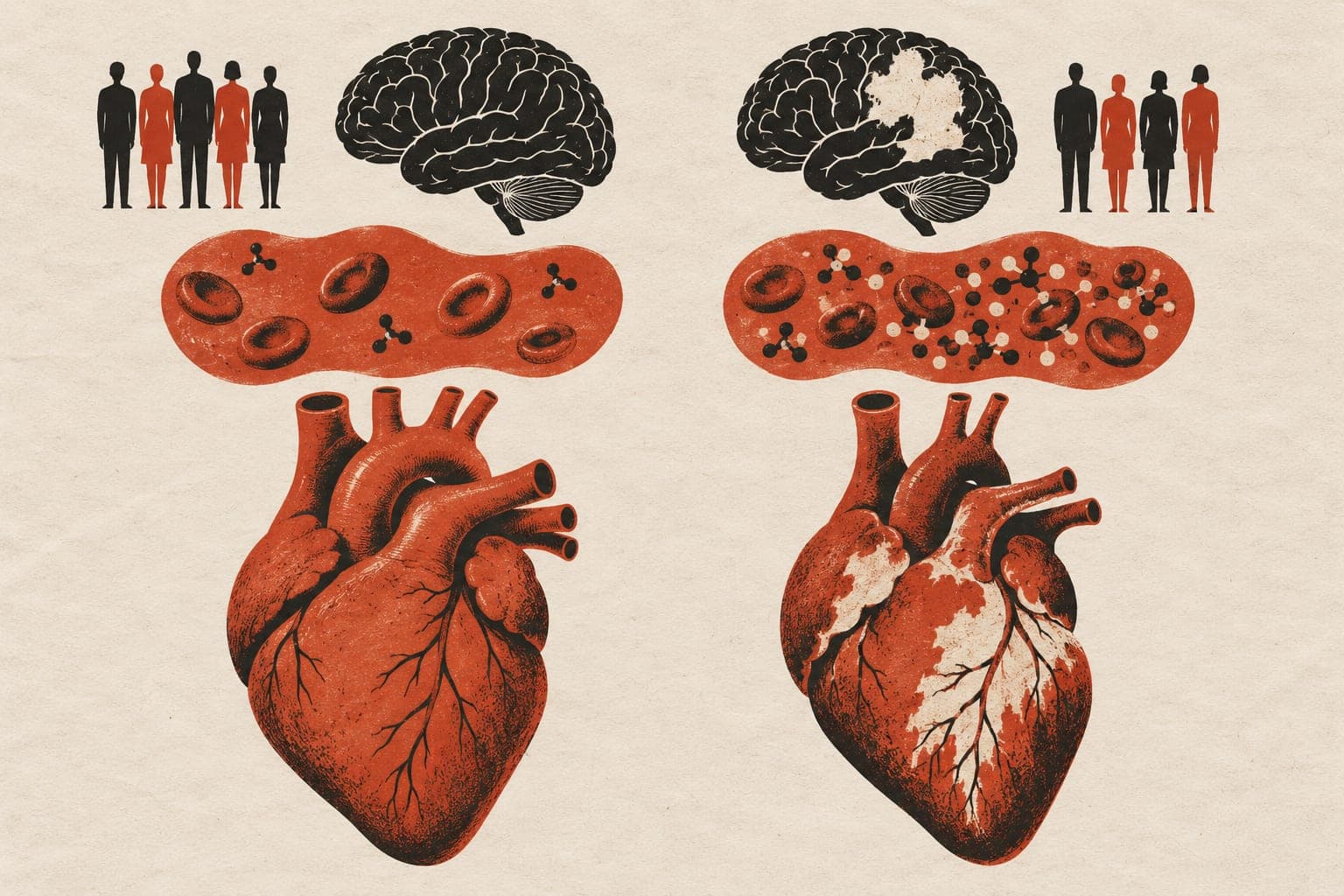
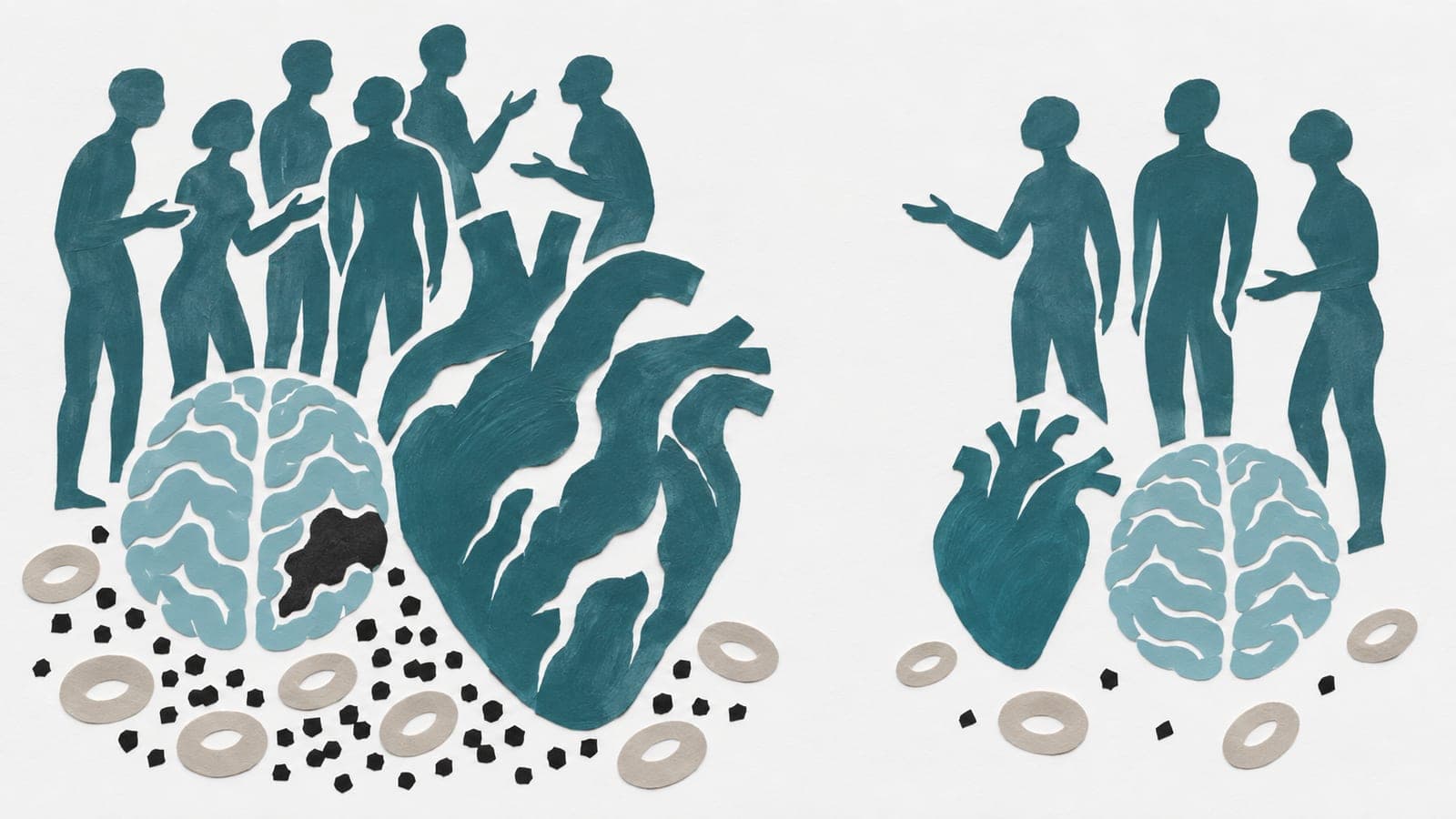
Relative rates of developing multiple conditions were 3.40 in China and 2.62 in England for the highest-scoring quarter versus the lowest.
Our read
Biomarkers- Studied:
- Preprint: cohort study of 7,108 adults in China and England, against adults in the lowest CTI-FI quartile (Dose-response, independent replication, multicenter)
- What changed:
- Risk of multiple cardiometabolic conditions was higher with highest versus lowest combined scores: hazard ratios 3.40 (China) and 2.62 (England)
- The catch:
- Self-reported heart disease and stroke diagnoses could misclassify who developed multiple conditions
- In the record:
- One of 6 papers on CTI-FI on record: 5 with results in people.
Editor of record: Boris Djordjevic · AgingResearch.News
The 7,108 adults aged 45 or older in China and England were studied in a longitudinal cohort analysis of a combined blood-and-frailty score. Follow-up covered 2011–2020 in China and 2004–2018 in England. The score combined blood measures of inflammation, fats and sugar with an index of frailty, or vulnerability to declining health, based on 28 health and function measures.
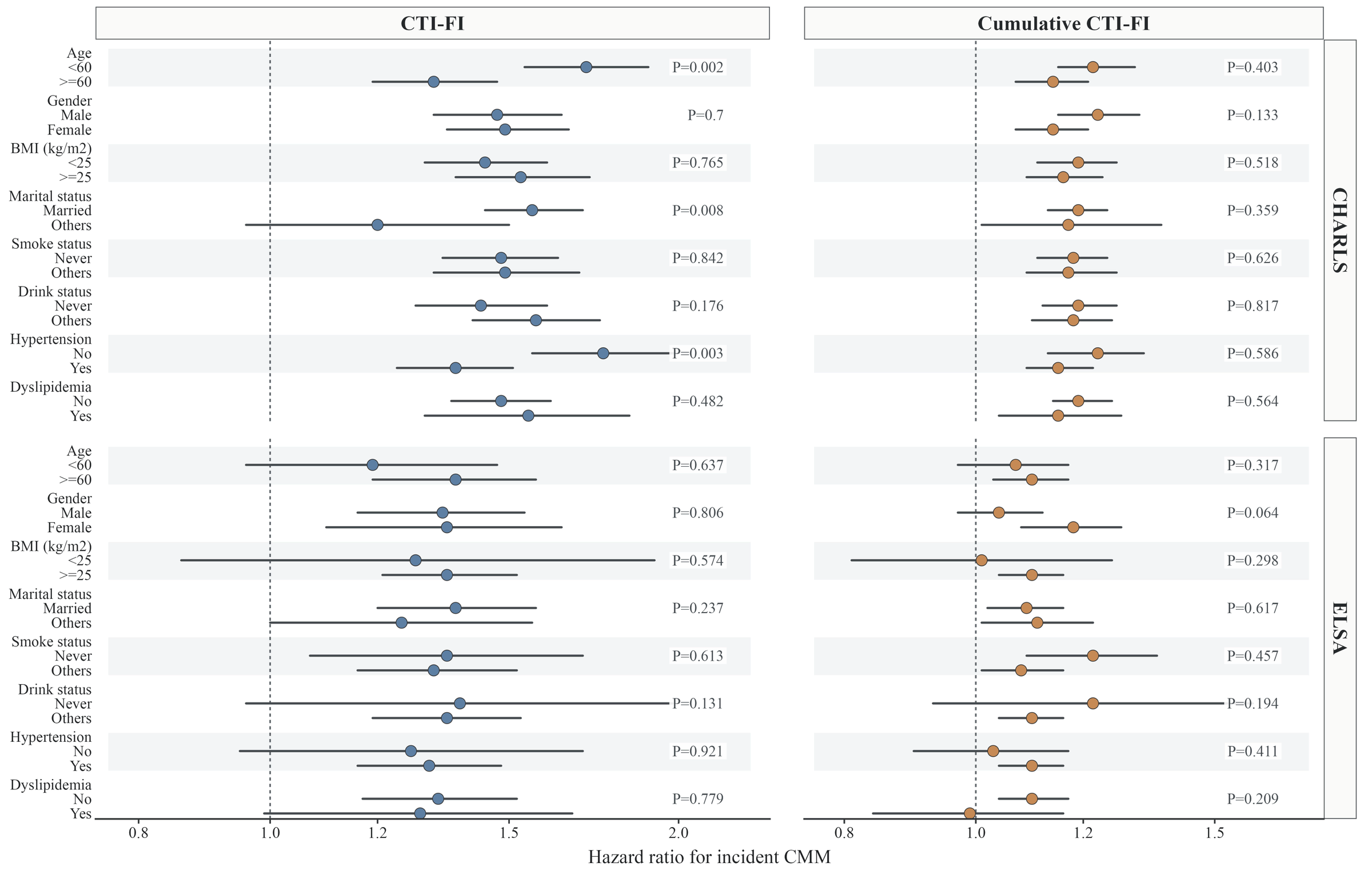
Higher scores were associated with developing at least two of three conditions: heart disease, stroke and diabetes. The link remained after adjustment for factors including age, smoking and blood pressure. Adding the combined score improved prediction beyond conventional risk factors in both cohorts. A version based on two assessments performed best at distinguishing people who later developed multiple conditions from those who did not.
Why it matters
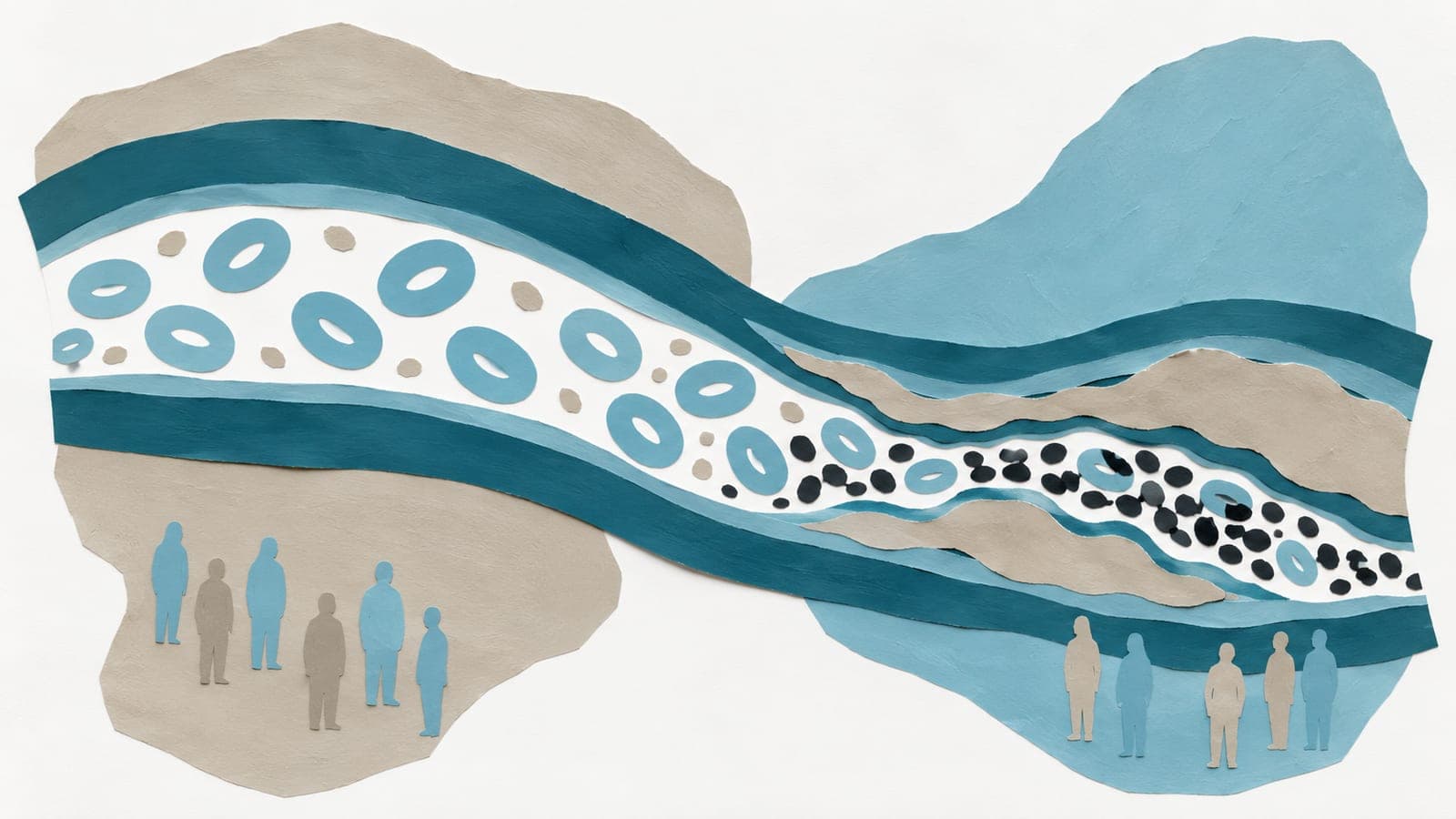
Multiple heart and metabolic conditions burden middle-aged and older adults. The authors suggest that assessing inflammation, metabolism and frailty together may help identify people for prevention.
Caveats
Heart disease and stroke relied on participants’ reports of doctors’ diagnoses, which could miss unrecognized disease. The results concern adults aged 45 or older in China and England; this preprint has not been peer-reviewed.
From the paper
- Participants
Among 7,108 participants, adjusted cumulative incidence increased across CTI-FI quartiles in both cohorts (all P < 0.001).
- Result
Per-unit adjusted HRs for CTI-FI were 1.48 (95% CI, 1.37–1.60) in CHARLS and 1.31 (1.17–1.47) in ELSA; Q4-versus-Q1 HRs were 3.40 and 2.62.
Quoted word for word from the full text on researchsquare.com.
- Deep learning
- Machine learning
- Cardiometabolic multimorbidity
- Incident cardiometabolic multimorbidity
- C-reactive protein-triglyceride-glucose index
- Humans
The paper
Central South University
Research Square, Nov 12, 2026, Open access, Preprint, not yet peer-reviewed
Comments
Be the first to comment.