Most DNA-mark differences in human colon cells traced to embryos
By around age 60, a colorectal cell lineage had about 1.2 million DNA-mark differences from a reference pattern; about 60% dated to early embryos.
406 participants
Limit: Only 16 donors supplied the clones used to infer embryonic origins
Edited by Boris Djordjevic · AgingResearch.News
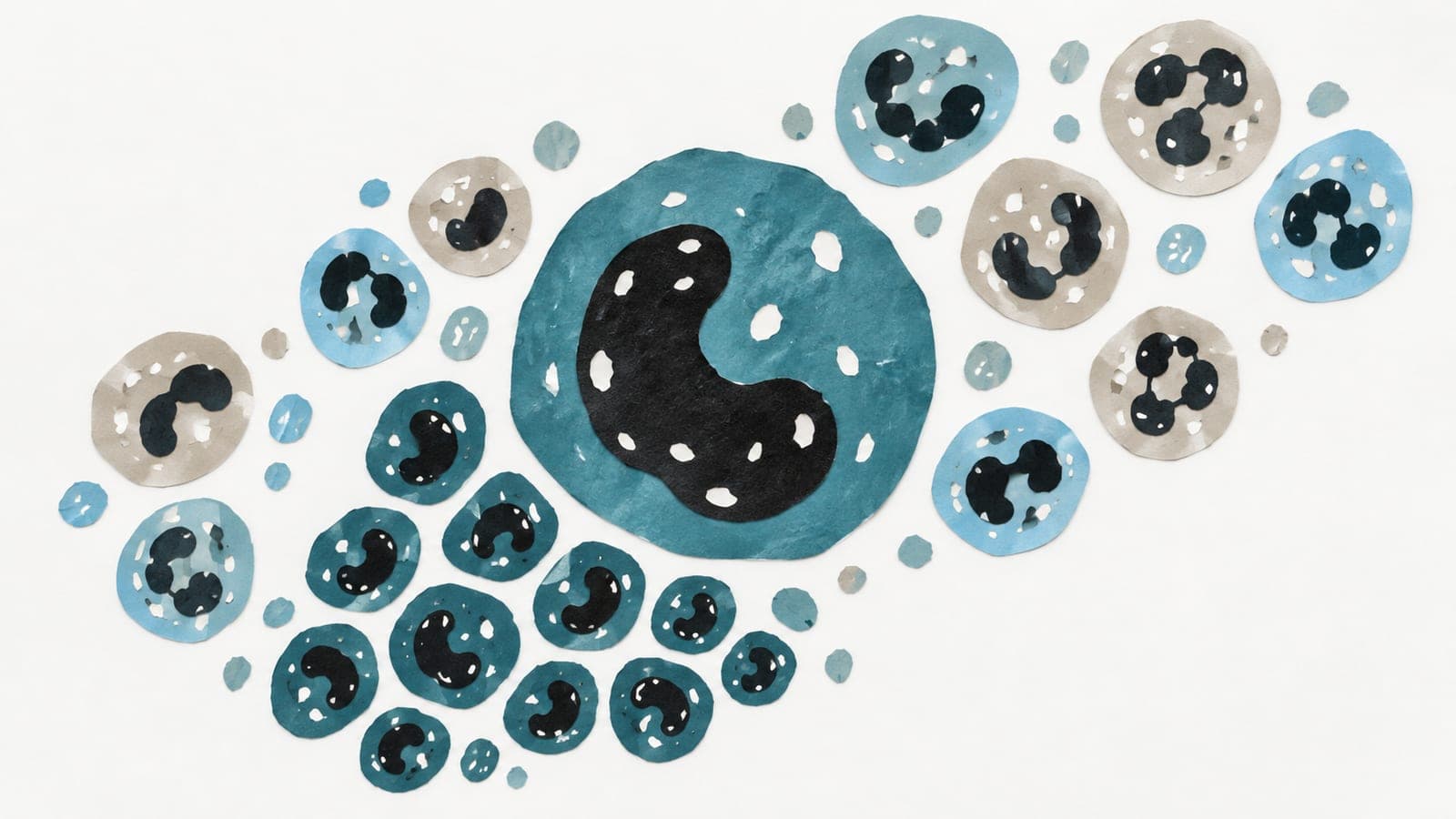
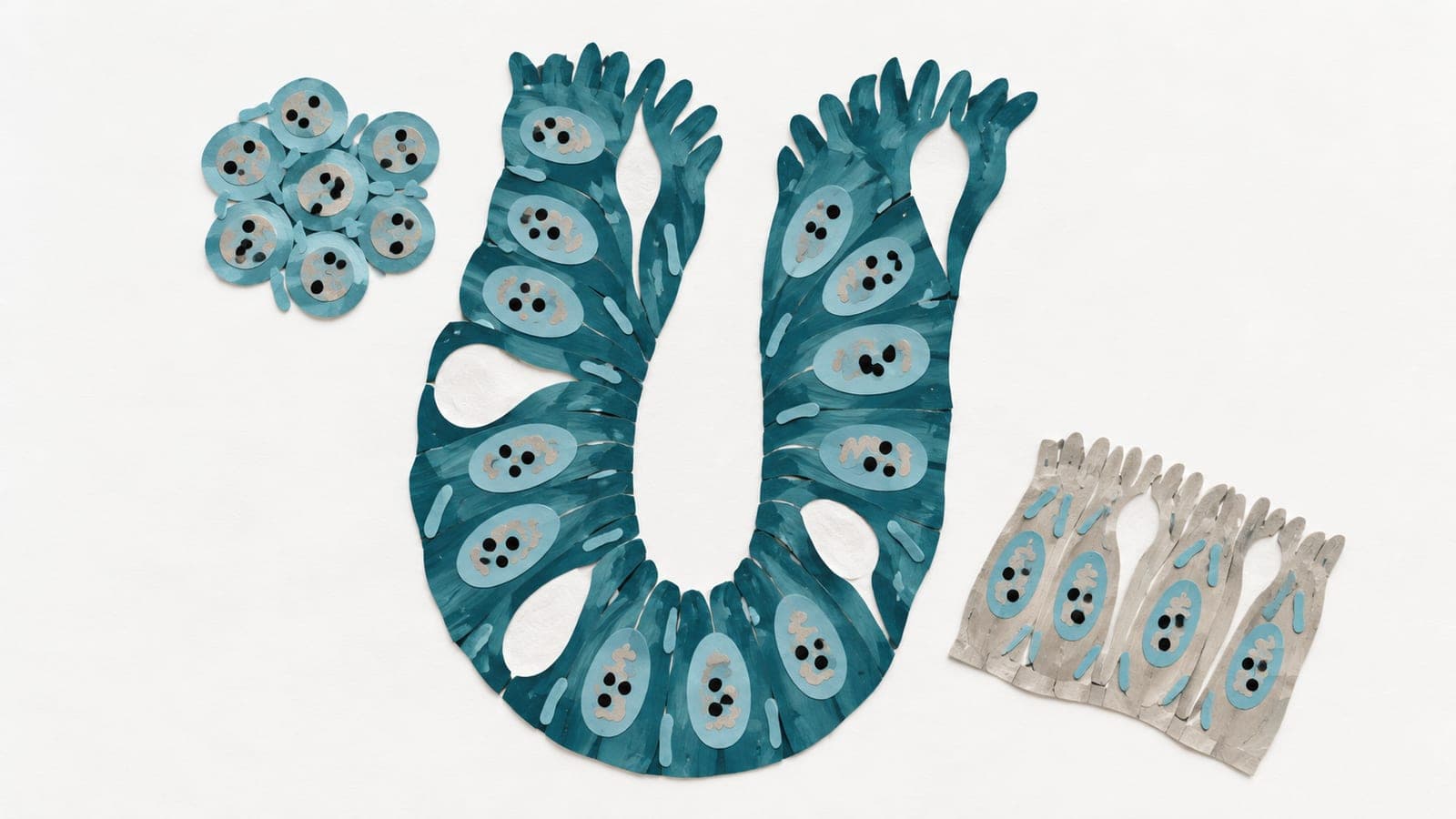
An observational study analyzed 406 clones—groups grown from single cells lining the human colon and rectum—from 16 donors. Researchers read their DNA sequences and mapped DNA methylation, chemical marks on DNA that can influence gene activity.
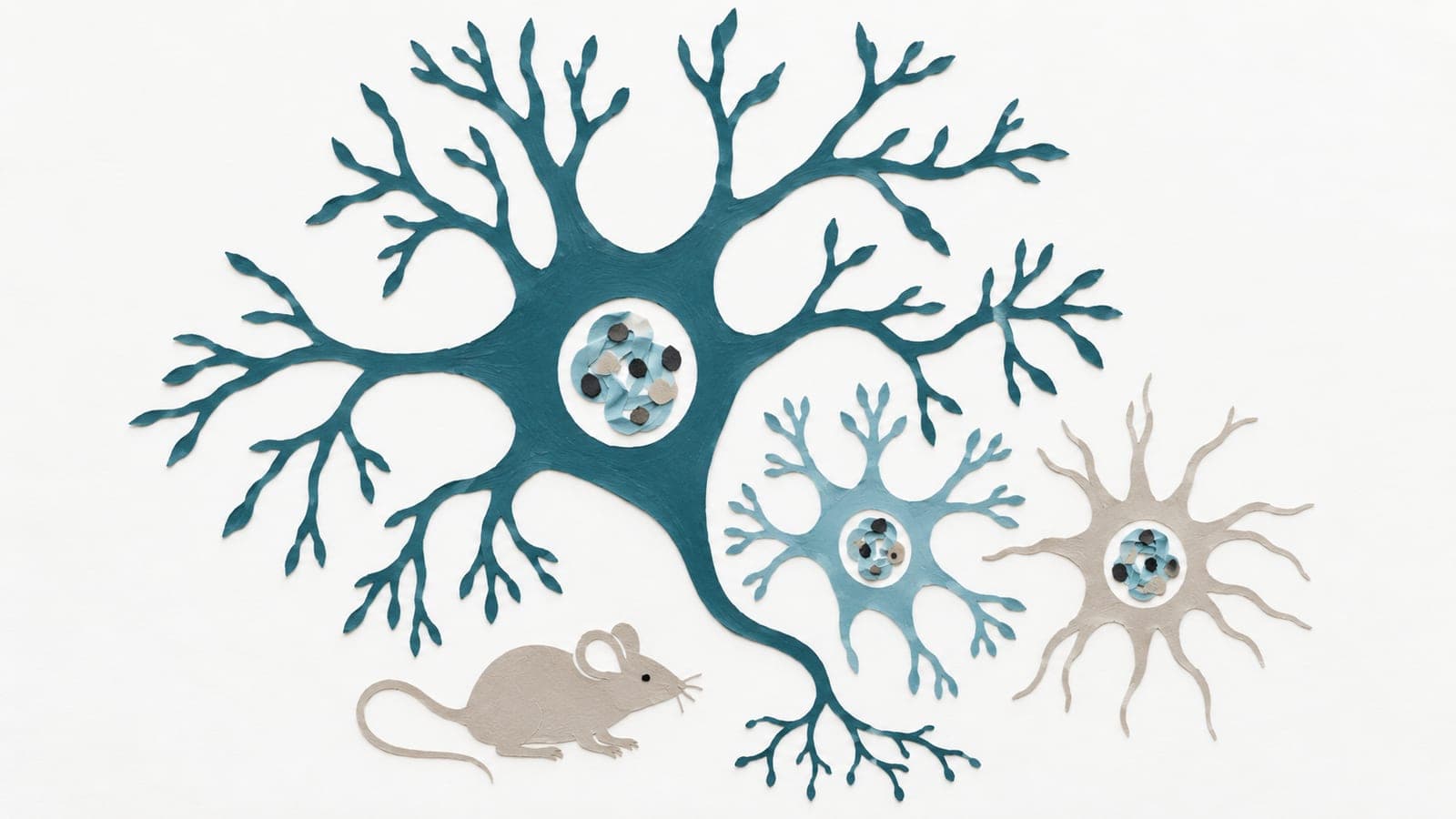
By around age 60, a lineage of related colorectal cells had accumulated about 1.2 million methylation differences from the consensus pattern used for comparison. About 60% were established during early embryonic development and were stably passed on throughout life, rather than accumulating with age. These early differences often clustered in particular DNA regions. Researchers identified 14,402 regions with such developmental patterns. These patterns were often associated with differences in gene activity in the adult colorectal lining, suggesting that their functional effects may persist into adulthood.
Why it matters
Distinguishing developmental differences in DNA marks from changes acquired later could help researchers identify which patterns reflect aging.
Caveats
The associations with gene activity do not establish cause and effect. This preprint has not been peer-reviewed and analyzed cell-derived clones from 16 donors.
- Epigenomics
- DNA methylation
- Epigenetic regulation of gene expression
- CpG methylation differences
- Embryonic epiallelic commitment regions
- Humans
The paper
Embryonic origins of epigenetic mosaicism in the human colorectal epithelium
Korea Advanced Institute of Science and Technology; Seoul National University Hospital
Research Square, Oct 29, 2026, Open access, Preprint, not peer-reviewed