Food Noise, Control of Eating, and Mental Health Outcomes During Carbohydrate-Reduced Nutrition Therapy in Adults with Overweight or Obesity
6 months
Abstract
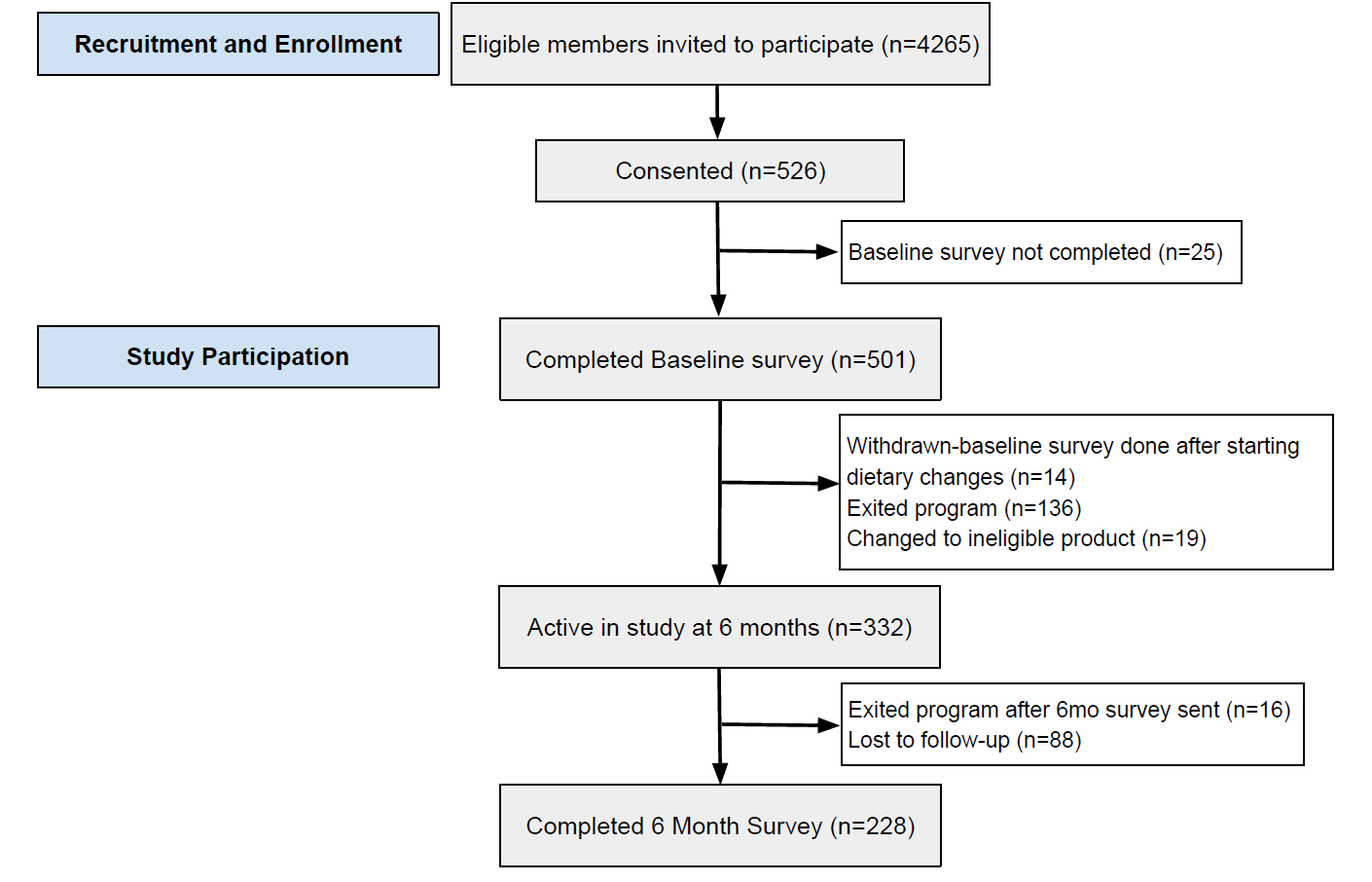
Background/Objectives: Food noise has emerged as an important patient-centered outcome in obesity treatment. Glucagon-like peptide-1 receptor agonists (GLP-1RAs) have been associated with reduced food noise, but effects of nutrition therapy are not well-studied, and the relationships between food noise, eating behavior, and mental health remain poorly understood. This study evaluated changes in food noise, control of eating, depression, and anxiety during carbohydrate-reduced nutrition therapy (CRNT), examined whether these changes differed by GLP-1RA use, and assessed relationships among these outcomes. Subjects/Methods : This observational study included adults with overweight or obesity enrolled in a remote CRNT program. Participants completed assessments of food noise, control of eating, depression, and anxiety at baseline and six months. Adjusted linear mixed-effects models evaluated changes over time. Multivariable regression analyses examined associations among outcomes. Results : Participants (N=501; mean age 45.7 years; 80.1% female; mean BMI 34.4 kg/m ² ) experienced significant reductions in food noise (8.7 to 5.6; p<0.001), depressive symptoms (PHQ-8: 6.6 to 3.7; p<0.001), and anxiety symptoms (GAD-7: 5.3 to 3.7; p<0.001), with improvements in craving control, hunger, sweet and savory cravings, and mood. Participants also exposed to GLP-1RAs experienced greater improvements in food noise, craving control, food cravings, depression, and anxiety than those receiving CRNT alone. Reduced food noise was independently associated with improved craving control, sweet and savory cravings, hunger, and depression and anxiety scores. Conclusions : Participation in CRNT was associated with significant improvements in food noise, control of eating, depression, and anxiety. Improvements in food noise occurred regardless of GLP-1RA use, although greater reductions occurred among participants exposed to GLP-1RAs with nutrition therapy. This suggests food noise is responsive to nutrition-based obesity treatment and may represent a clinically meaningful patient-centered outcome.
- Carbohydrate-reduced nutrition therapy
- GLP-1 receptor agonists
- Food noise
- Control of eating
- Obesity
- Humans
The paper
Virta Health; University of Florida
Research Square, 13 Oct 2026, Open access, Preprint, not peer-reviewed