AI flags heart structure problems from electrical recordings
In validation cohorts totalling 25,222 people, the model scored 0.866–0.924 on a measure of how well it distinguished reduced heart-pumping function.
Limit: Diagnostic accuracy does not measure health benefits from wearable screening
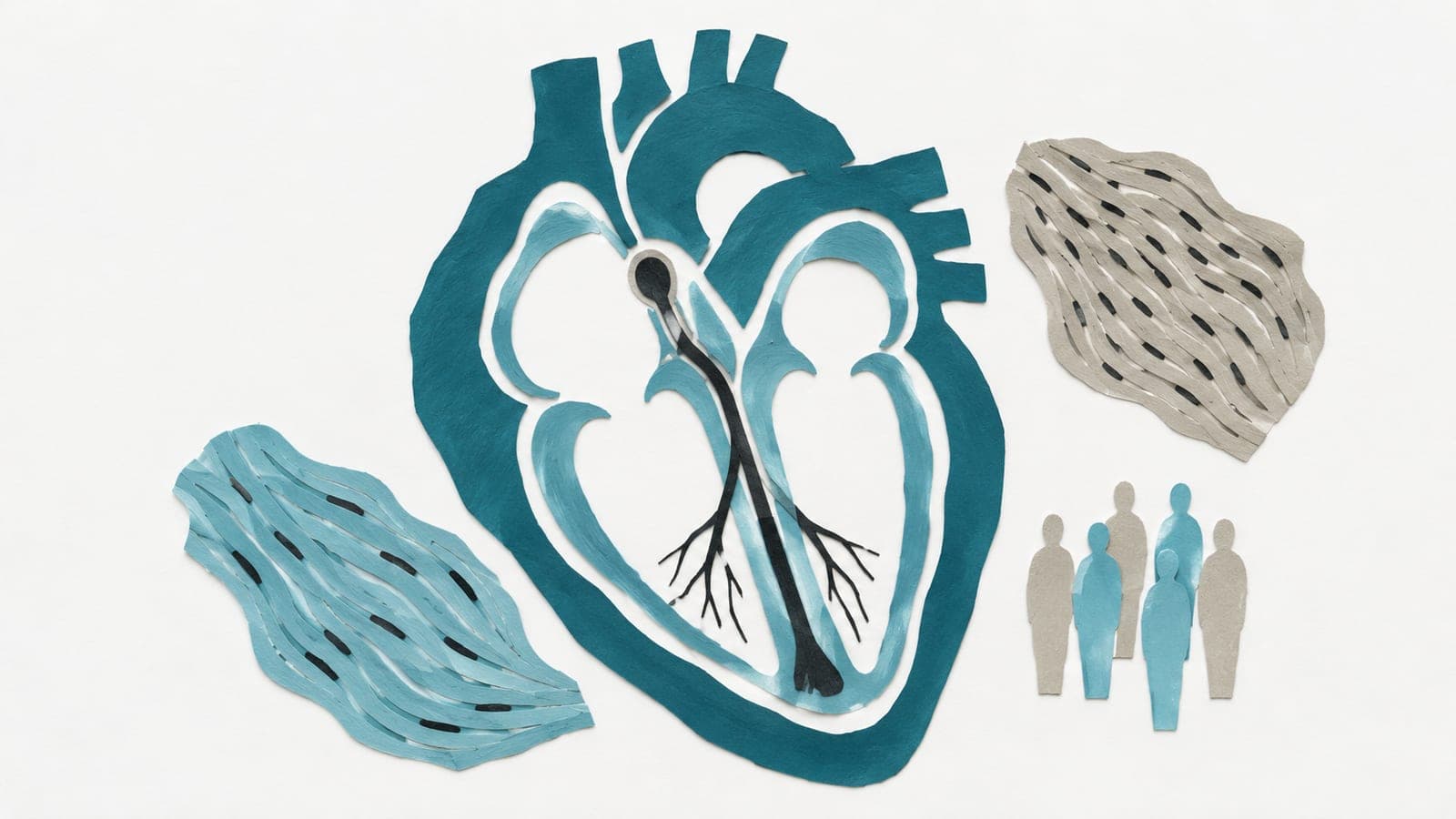
In validation cohorts totalling 25,222 people, researchers evaluated an artificial intelligence model that analysed single-lead electrocardiograms, recordings of the heart’s electrical activity from one electrical view. The observational study evaluated a framework linking these recordings with reports from heart ultrasound scans.
The model covered 13 forms of disease affecting the heart’s structure. Validation included a geographically independent cohort of 16,621. Its score for distinguishing reduced pumping function in the heart’s main pumping chamber ranged from 0.866 to 0.924. This measure, called the area under the receiver operating characteristic curve, assesses how well a model separates people with and without a condition. Model outputs also aligned with measurements of heart-pumping function and heart muscle wall thickness.
Why it matters
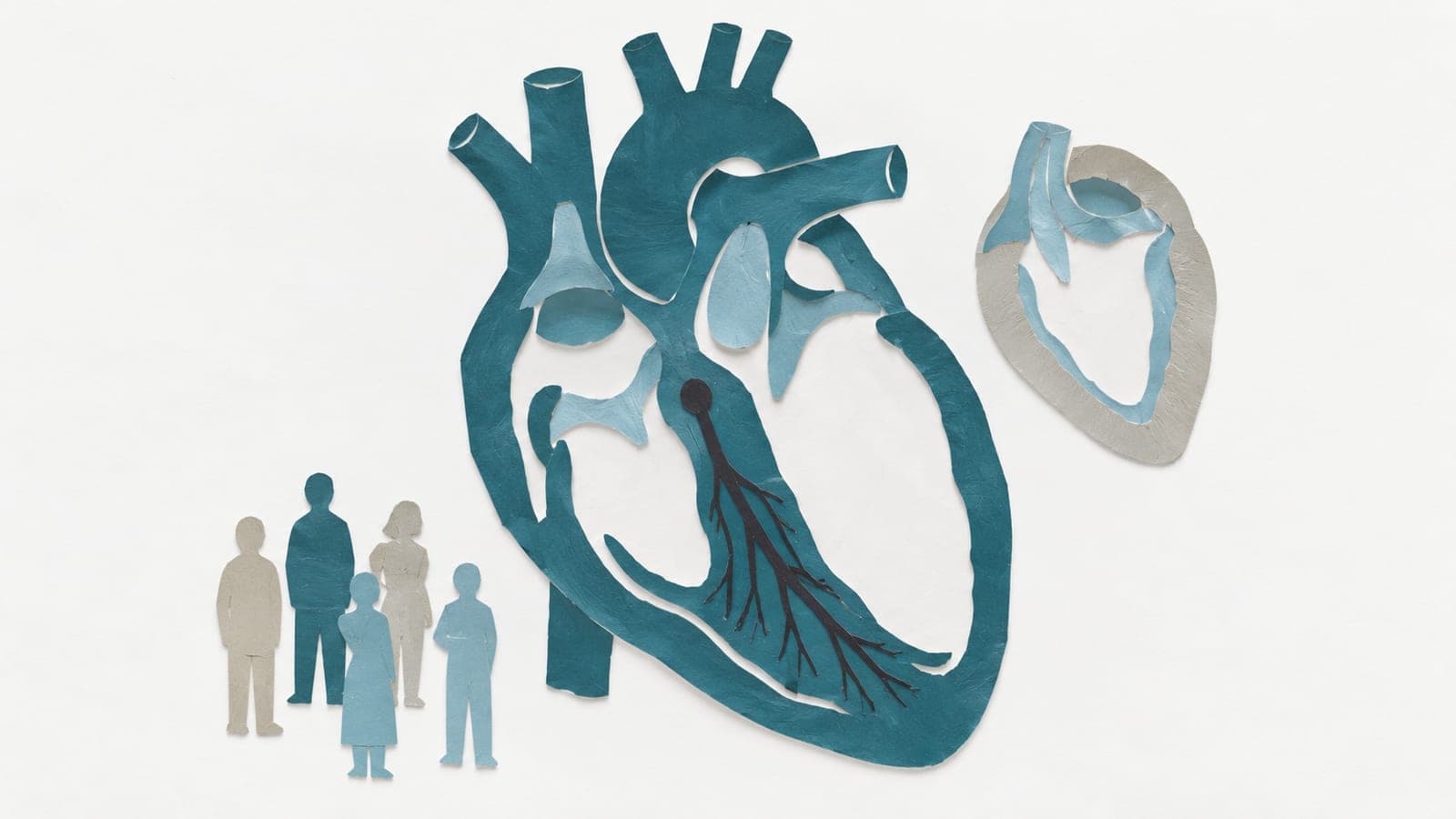
Structural heart disease contributes to heart failure and cardiovascular death, making earlier detection relevant to healthy aging. The work addressed whether widely available heart recordings could help overcome limited access to heart ultrasound scans.
Caveats
This observational validation does not establish that wearable screening improves health. The paper is a preprint, not yet peer-reviewed, and the abstract did not report participants’ ages or sex.
- Machine learning
- Global heart enlargement
- Mitral stenosis
- Reduced left ventricular systolic function
- Structural heart disease
- Humans
The paper
Peking University; Nanjing University of Aeronautics and Astronautics
Research Square, 14 Oct 2026, Open access, Preprint, not peer-reviewed