Predicted fat mass index and incident stroke in adults aged 65 years or older: heterogeneous associations across three national ageing cohorts
Abstract
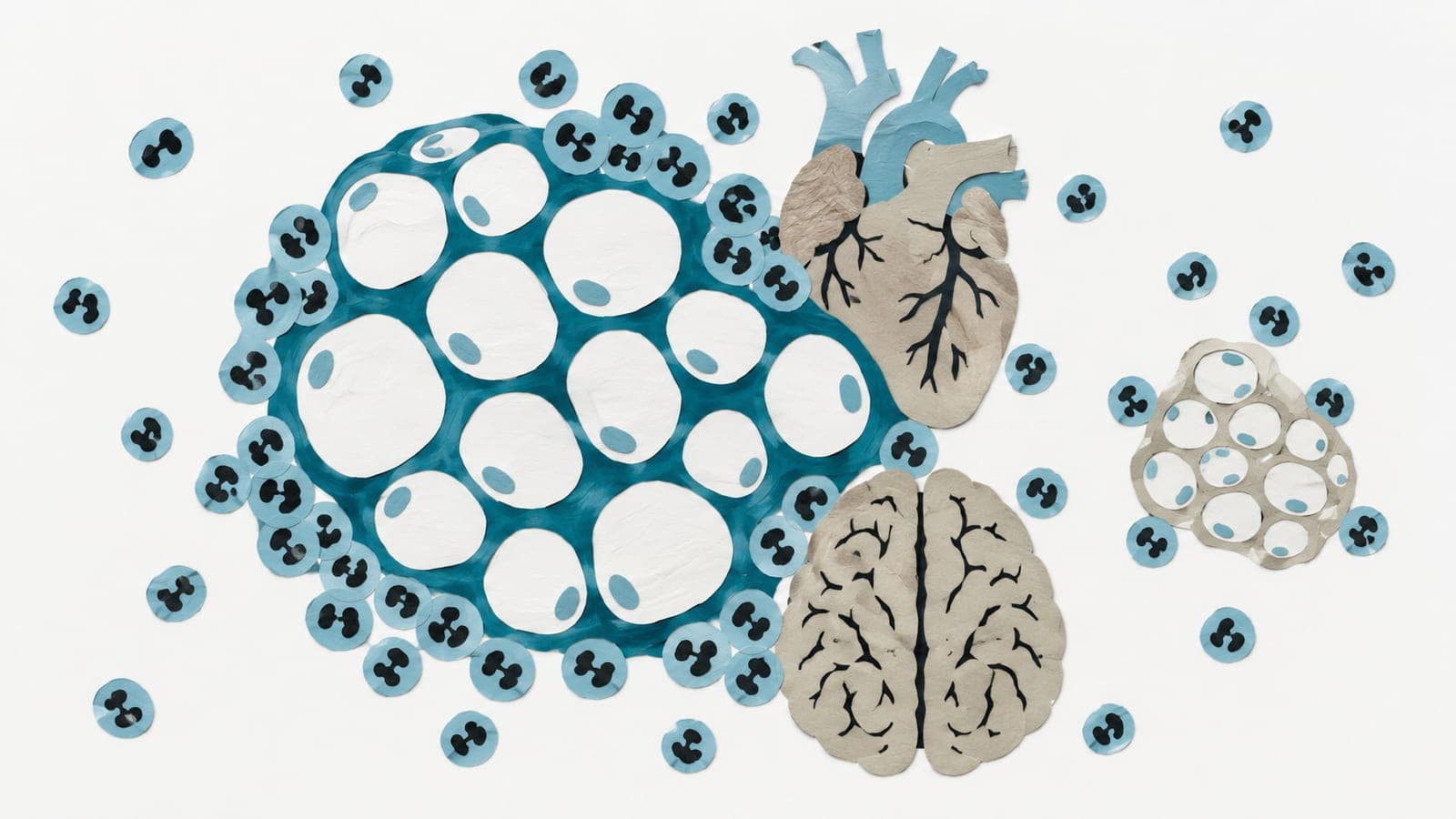
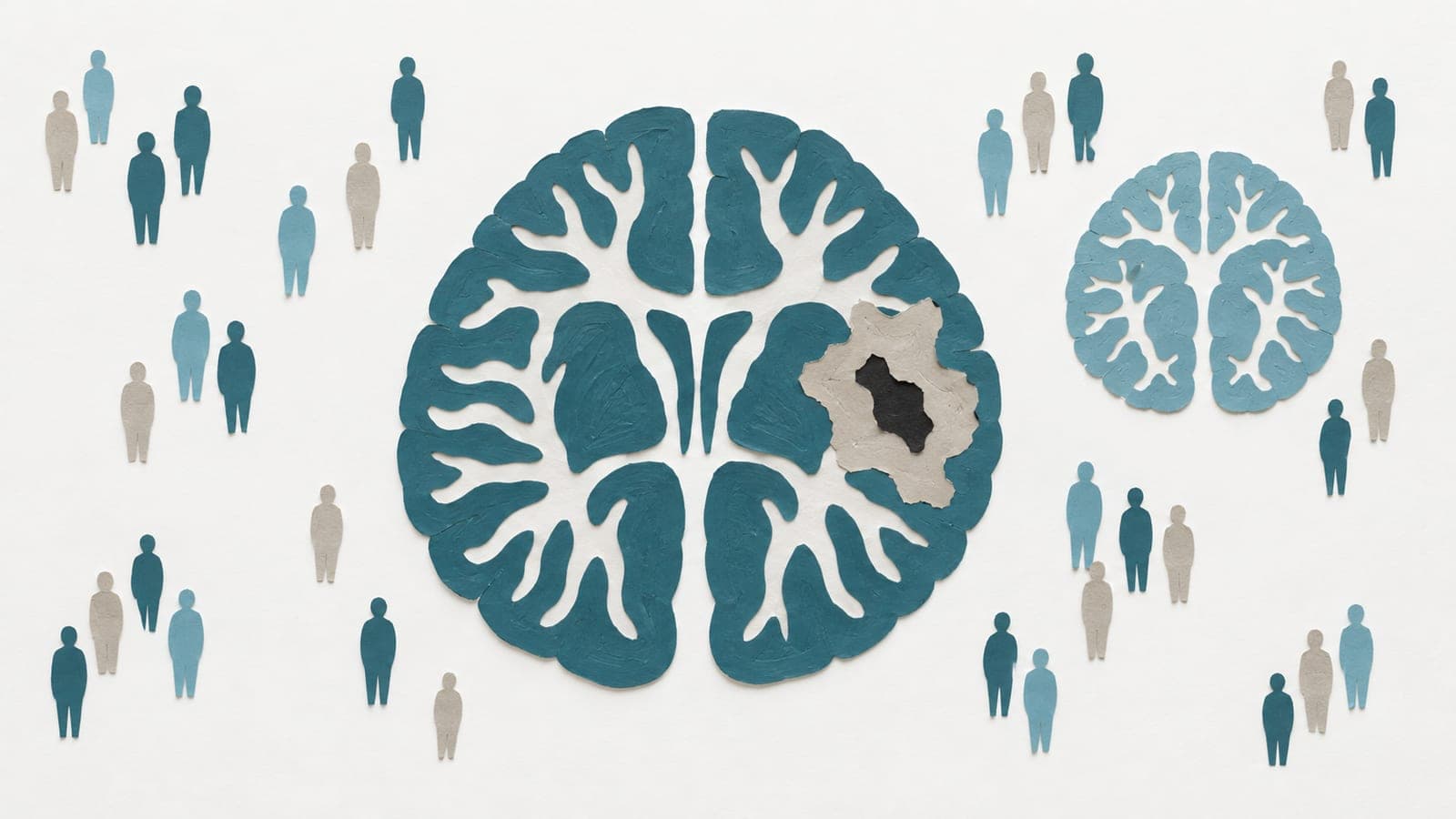
Background Predicted fat mass index (pBFMI) can be calculated when direct body-composition measurements are unavailable, but it is a deterministic transformation of body mass index (BMI), age, and sex. We examined whether its association with incident stroke was consistent across three national ageing cohorts. Methods We analysed stroke-free adults aged 65 years or older in CHARLS (2011–2020), ELSA (2004–2018), and HRS (2006–2020). Because stroke onset was known only between survey waves, the primary analysis used discrete-time complementary log-log models. Model 2 adjusted for age, sex, education, marital status, smoking, and an alcohol-use indicator; hypertension, diabetes, and heart disease were added in Model 3 as potential intermediates. Sex-specific standardization was recalculated within each cohort's age-65-or-older sample. We assessed mathematical coupling with BMI, compared apparent model fit and discrimination, and treated random-effects synthesis as descriptive. Results Model 2 included 3,241 CHARLS participants (317 strokes), 2,494 ELSA participants (205 strokes), and 3,614 HRS participants (413 strokes). Per sex-specific standard deviation higher pBFMI, hazard ratios were 1.247 (95% CI 1.165–1.334) in CHARLS, 0.924 (0.800–1.067) in ELSA, and 0.987 (0.892–1.091) in HRS. A one-stage discrete-time model showed cohort heterogeneity (joint interaction P < 0.001), which persisted when all Model 2 covariate effects were allowed to vary by cohort (P < 0.001). Hartung–Knapp descriptive synthesis gave an HR of 1.051 (0.709–1.560), I²=89.8%, and a 95% prediction interval of 0.491–2.250. pBFMI correlated strongly with BMI (r = 0.977–0.988) and did not materially improve apparent AIC or C-index. Conclusions Among adults aged 65 years or older, pBFMI was positively associated with incident stroke in CHARLS but not in ELSA or HRS. The findings do not support a consistent cross-population association and provide no evidence of materially improved apparent model fit or discrimination over BMI.
From the paper
- Participants
Model 2 included 3,241 CHARLS participants (317 strokes), 2,494 ELSA participants (205 strokes), and 3,614 HRS participants (413 strokes).
- Result
Per sex-specific standard deviation higher pBFMI, hazard ratios were 1.247 (95% CI 1.165–1.334) in CHARLS, 0.924 (0.800–1.067) in ELSA, and 0.987 (0.892–1.091) in HRS.
Quoted word for word from the full text on researchsquare.com.
The paper
Tongji Hospital
Research Square, 11 Oct 2026, Preprint, not peer-reviewed