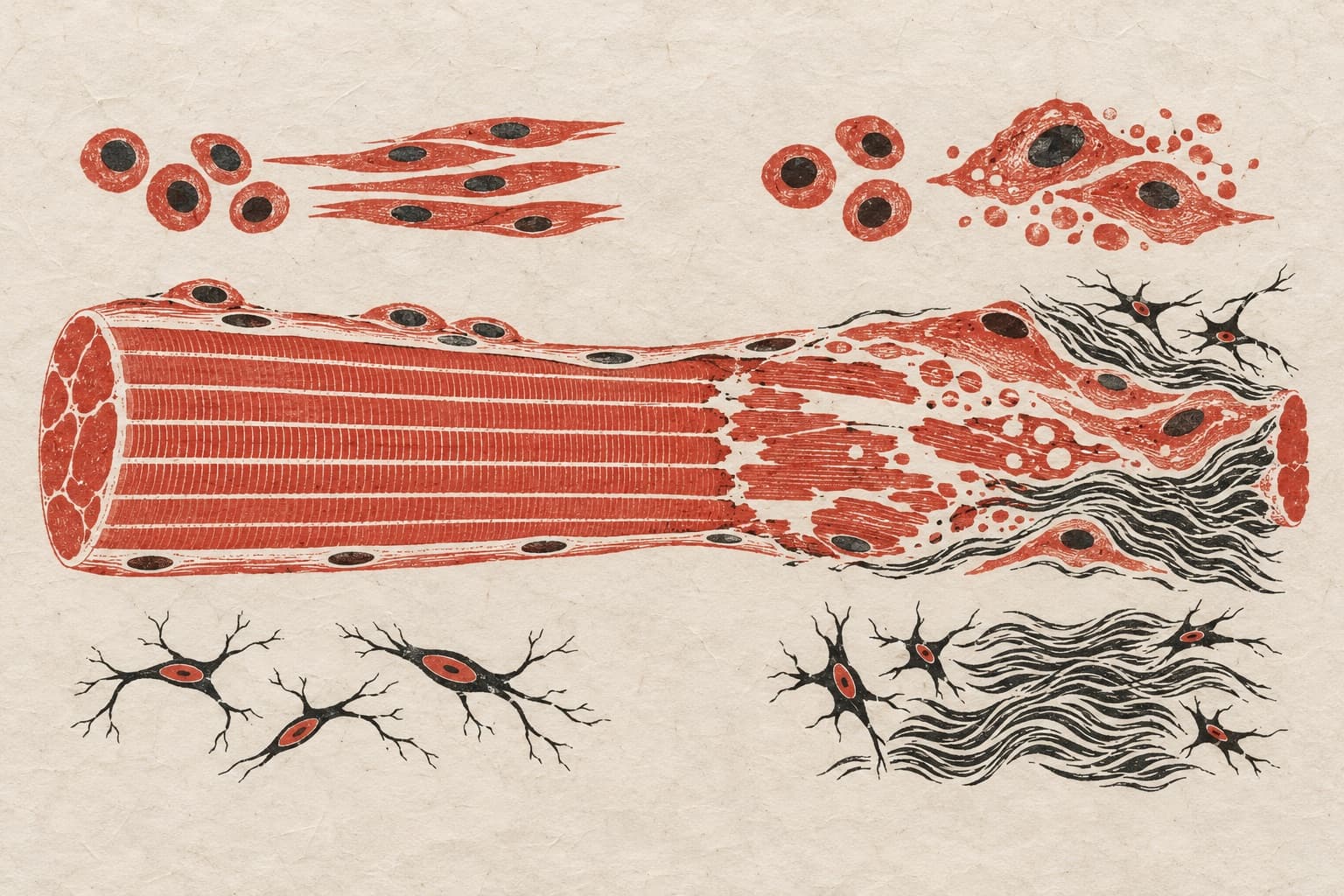
Multi-omics analysis reveals molecular networks driving muscle decline in aging vervet monkeys
Researchers identified coordinated changes in DNA methylation, miRNAs, and gene expression distinguishing older female monkeys with slower gait from middle-aged counterparts.
bioRxiv
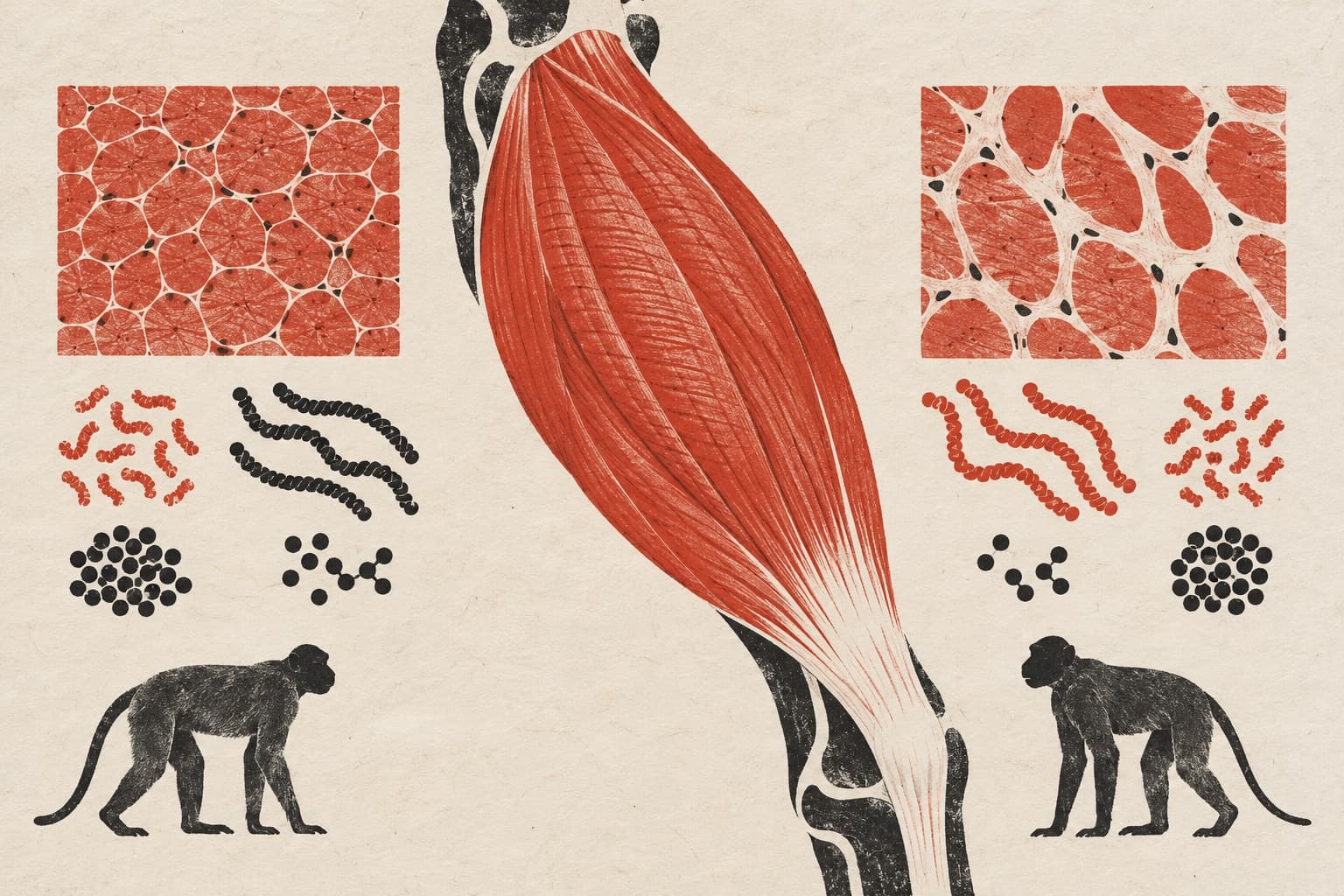
In a preprint, researchers analyzed vastus lateralis leg muscle from female vervet monkeys (Chlorocebus aethiops sabaeus) to study age-related physical decline. The team compared middle-aged monkeys showing normal gait speed to older animals with declining gait speed. Using an integrative multi-omics approach, they tracked coordinated shifts across the transcriptome, miRNome, and methylome. The analysis uncovered an interconnected regulatory network separating the two age groups. Key findings included miR-181a-5p, miR-320b, and miR-425 regulation of SYNCRIP, alongside miR-193b-3p targeting MCL1 and PLAU. The researchers also identified multi-omic control of ZNF274 and ANP32E expression, as well as altered levels of transcripts like VEZT. Functional analysis showed that these miRNAs and their inversely expressed mRNA targets associate with skeletal muscle biology, metabolism, and immune-inflammatory pathways.
Why it matters
Slower gait and muscle decline are core drivers of sarcopenia, frailty, and loss of independence during aging. Mapping these cross-layer regulatory networks highlights specific molecular targets that may help preserve skeletal muscle function in late life.
Caveats
The study is a preprint that has not yet undergone peer review and evaluated only female vervet monkeys. Further work is needed to confirm if these regulatory networks directly cause muscle dysfunction or translate to human sarcopenia.
The paper
Show 6 more authors
Laura A. Cox, Ge Li, Matthew J. Jorgensen, Thomas C. Register, Kylie Kavanagh, Carol A. Shively,Wake Forest University Health Sciences
bioRxiv · 1 Oct 2026 · Preprint, not peer-reviewed