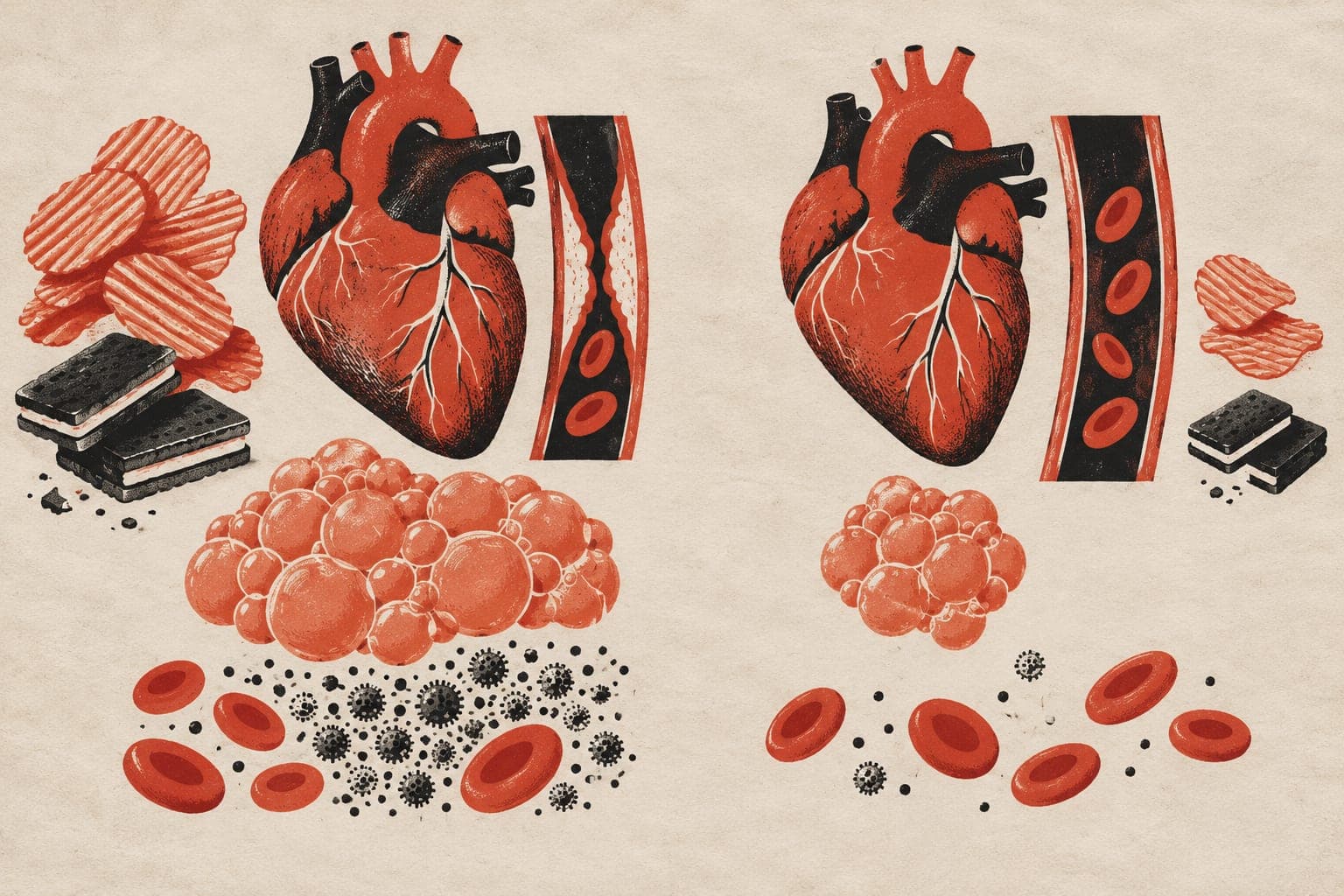
Beyond Nutrient Composition: AGEs and Food Neo-Contaminants in Ultra-Processed Food Toxicity
Abstract
Worldwide, consumption of ultra-processed foods (UPFs) is increasing in parallel with a rising incidence of obesity, type 2 diabetes, cardiovascular disease, kidney disease, and related cardiometabolic complications. Among the many features of UPFs that may drive these outcomes, industrial thermal processing is a defining characteristic that promotes the formation of advanced glycation end products (AGEs) and other food neo-contaminants, including acrylamide, furan, 5-hydroxymethylfurfural, heterocyclic amines, polycyclic aromatic hydrocarbons, 3-monochloropropane-1,2-diol, and glycidol. This review evaluates the hypothesis that AGEs and thermally generated neo-contaminants contribute significantly to the metabolic and toxicological effects of UPFs. After formation in food, these compounds may be partially absorbed in the gastrointestinal tract and act systemically, promoting tissue injury through protein cross-linking, oxidative stress, inflammation, endothelial dysfunction, and activation of the receptor for advanced glycation end products (RAGE). Several high-temperature neo-contaminants are linked to carcinogenicity, hepatotoxicity, neurotoxicity, and reproductive toxicity, while emerging evidence also implicates them in insulin resistance, adipogenesis, β-cell dysfunction, and cardiovascular risk. Overall, the evidence supports a biologically plausible link between thermal processing, AGE and neo-contaminant burden, and cardiometabolic disease, although the strength of evidence varies by compound. Improved exposure assessment, standardized analytical methods, mechanistic studies, and intervention trials are needed to define dose–response relationships and to determine whether reformulation and lower-temperature, moisture-rich cooking can reduce risk while maintaining food safety and acceptability.
The paper
Preprints.org, 24 Sep 2026, Open access, Preprint, not peer-reviewed