Rethinking Aging: A Systems-Based Model of Neuromuscular Decline
Abstract
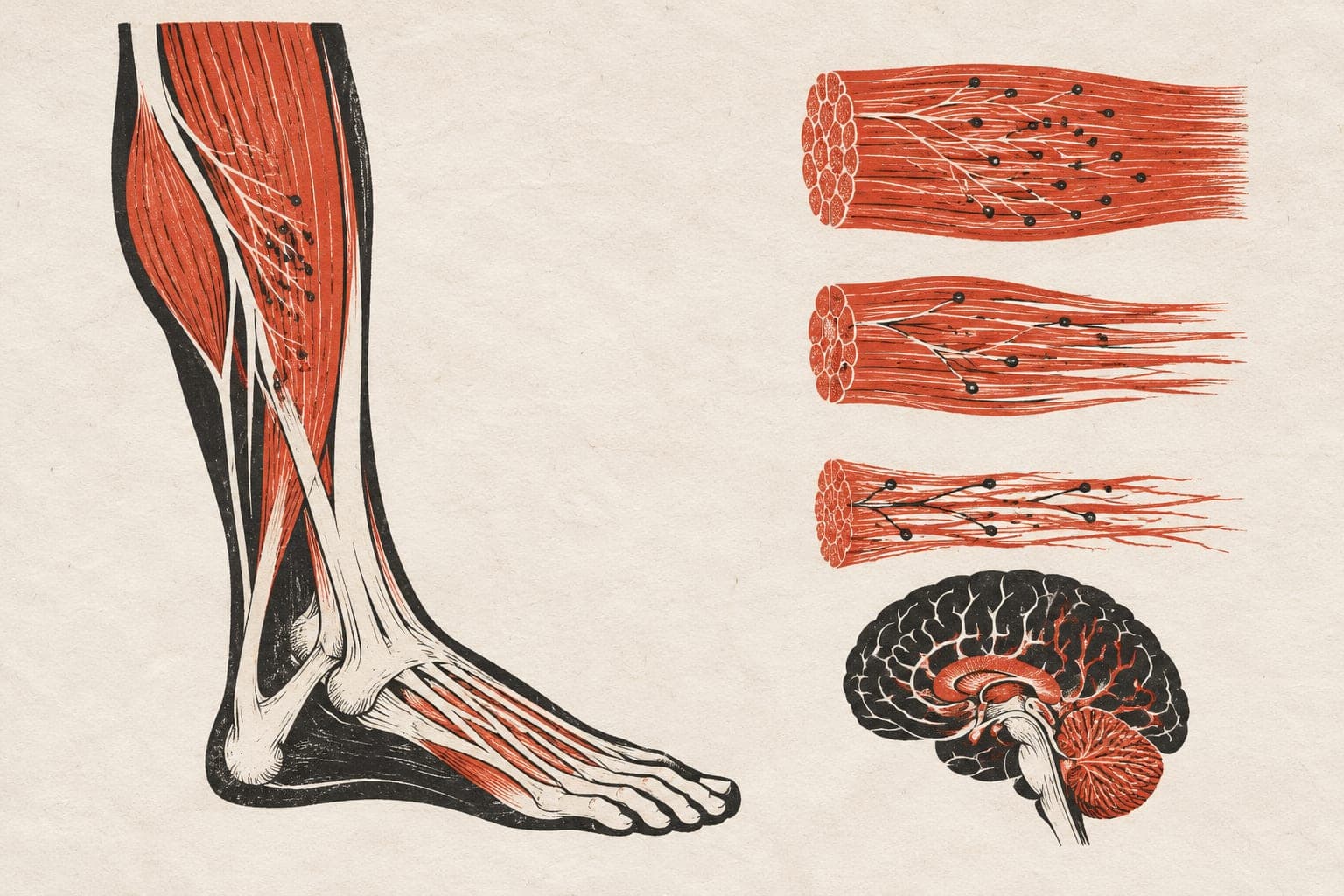
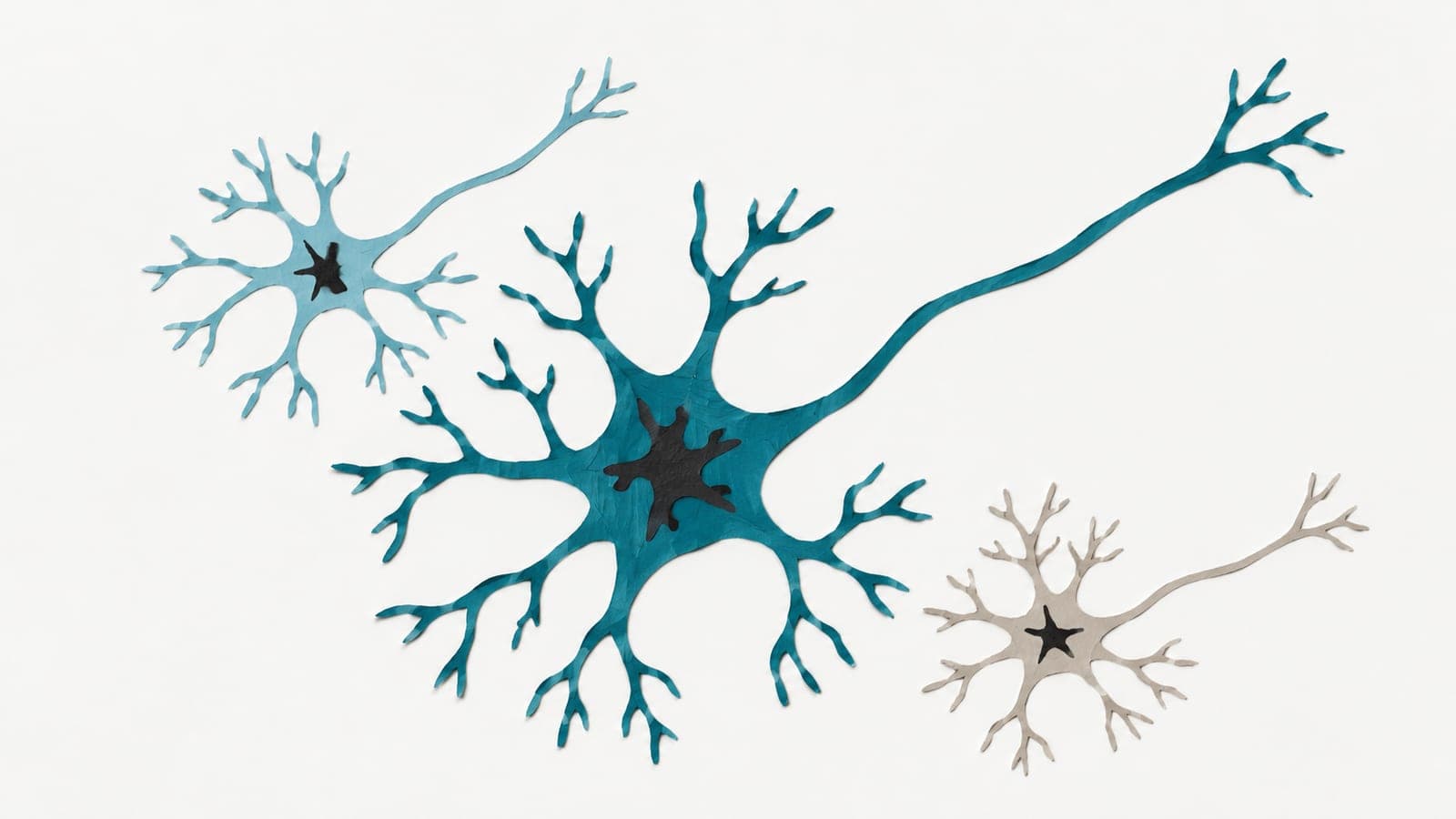
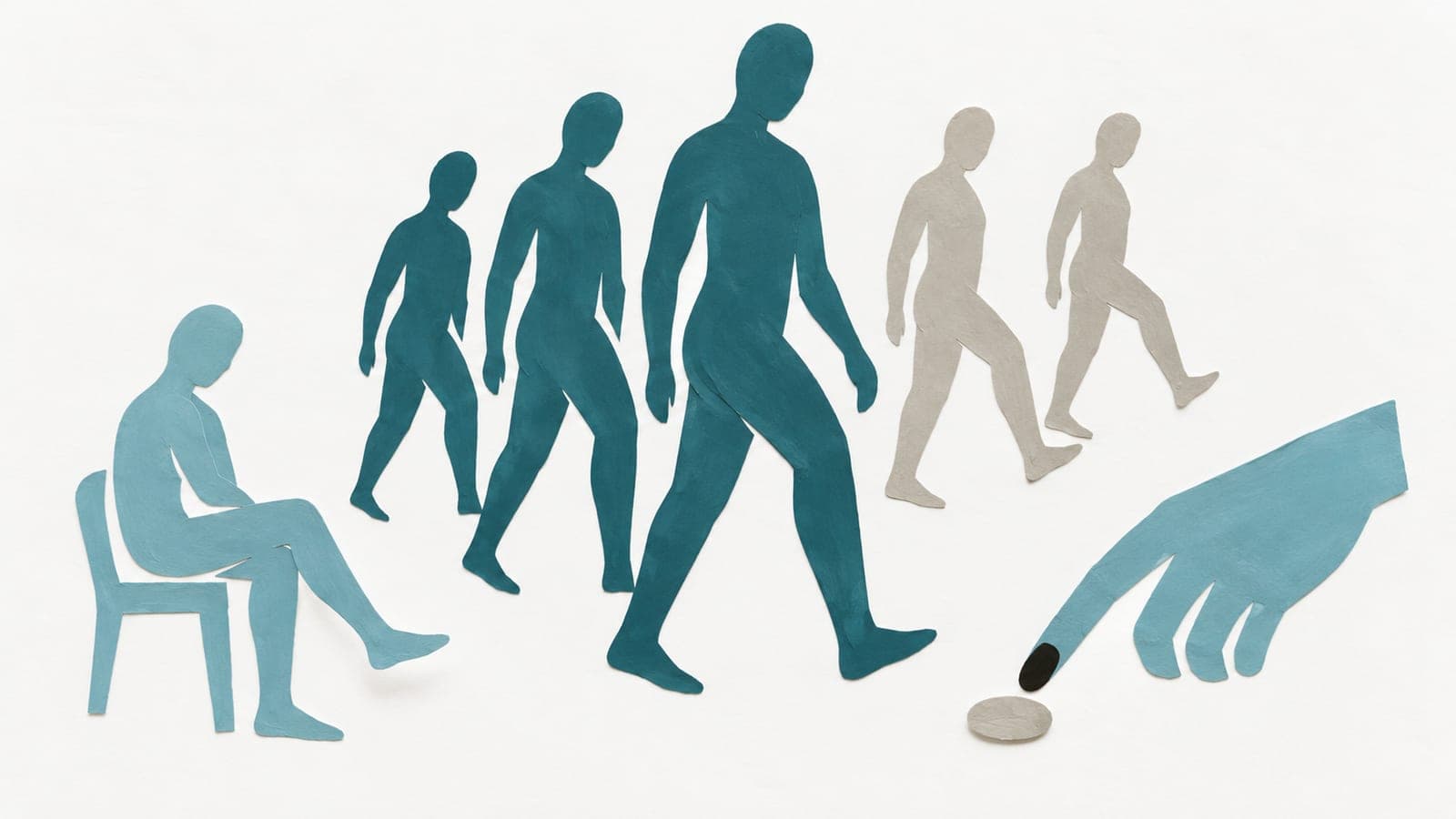
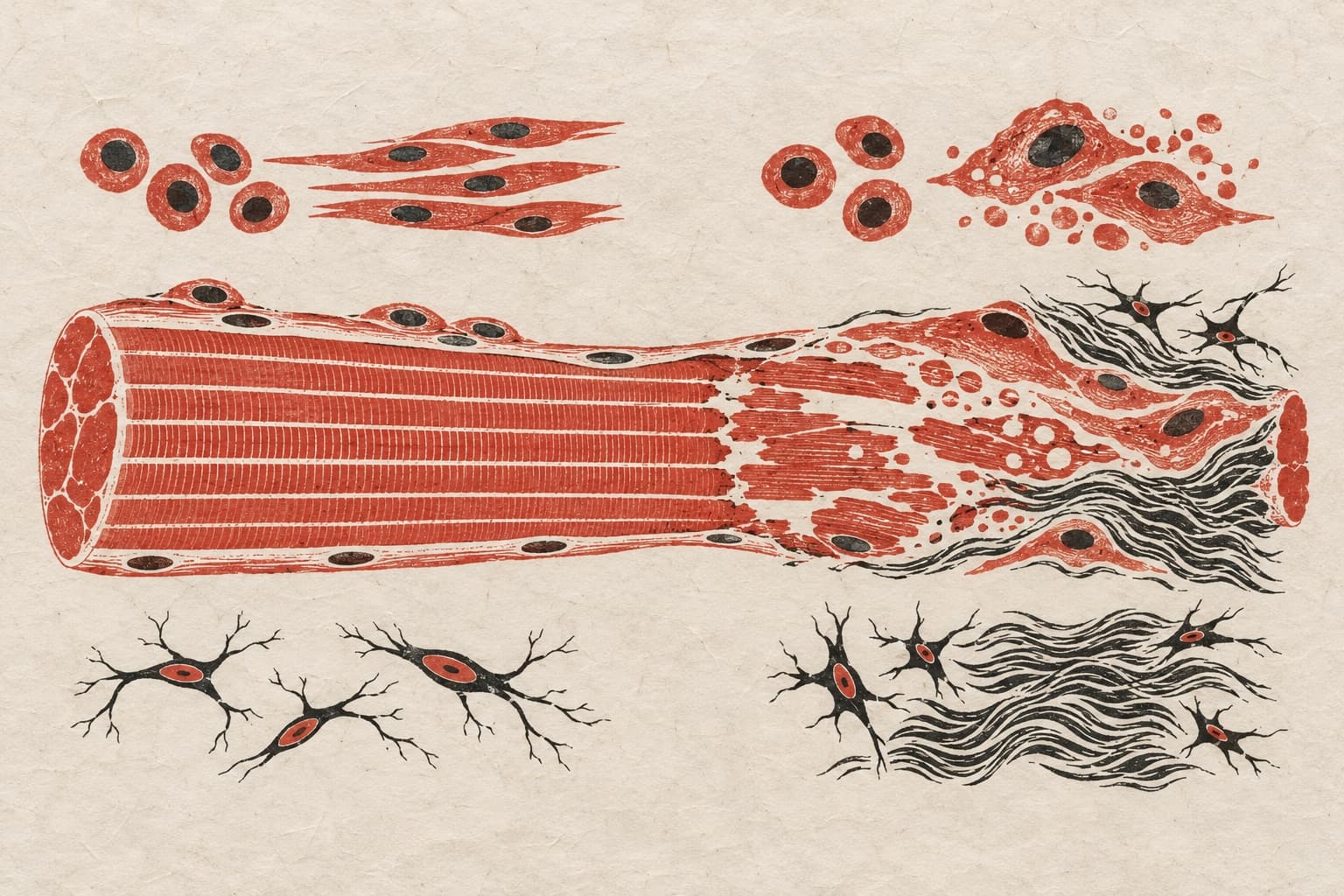
Neuromuscular aging involves changes in motor-unit number, recruitment, discharge behavior, sensory feedback, muscle properties, and the coordination of movement. Preserved performance in selected muscles does not establish preservation of the entire movement system. I propose the Systemic Motor Unit Integrity Hypothesis: maintaining neuromuscular function across the body may protect integrated movement capacity, whereas deterioration in an inadequately maintained region may impair the wider system through altered feedback, compensatory control, biomechanical redistribution, and secondary disuse. The accompanying Network Degradation Model distinguishes local impairment, compensatory reorganization, cross-regional functional consequences, and possible progressive loss of reserve. The pelvic floor, neck, shoulder, hands, and feet are illustrative regions, not an exhaustive list or a demonstrated hierarchy of initiating sites. This revision integrates human motor-unit studies, shared-input and intermuscular-coherence research, disuse experiments, and evidence of training-related neural adaptation. It distinguishes structural neuron loss from altered excitability, synaptic disconnection, junctional dysfunction, and muscle-fiber phenotype. Published findings support the relevance of distributed control and regional heterogeneity, but do not yet establish the proposed causal propagation or the superiority of lifelong whole-body training for preserving motor-unit number. A prospective measurement framework and a controlled intervention are proposed to distinguish propagation from shared aging and local compensation. The model concerns movement longevity and functional reserve; it does not establish that neuromuscular decline initiates all biological aging or determines a universal lifespan limit.
The paper
Preprints.org, 17 Sep 2026, Preprint, not peer-reviewed