Effects of Oral Probiotic Supplementation on Cognitive Function in Adults with Mild Cognitive Impairment: A Systematic Review and Meta-analysis of Randomized Controlled Trials
Abstract
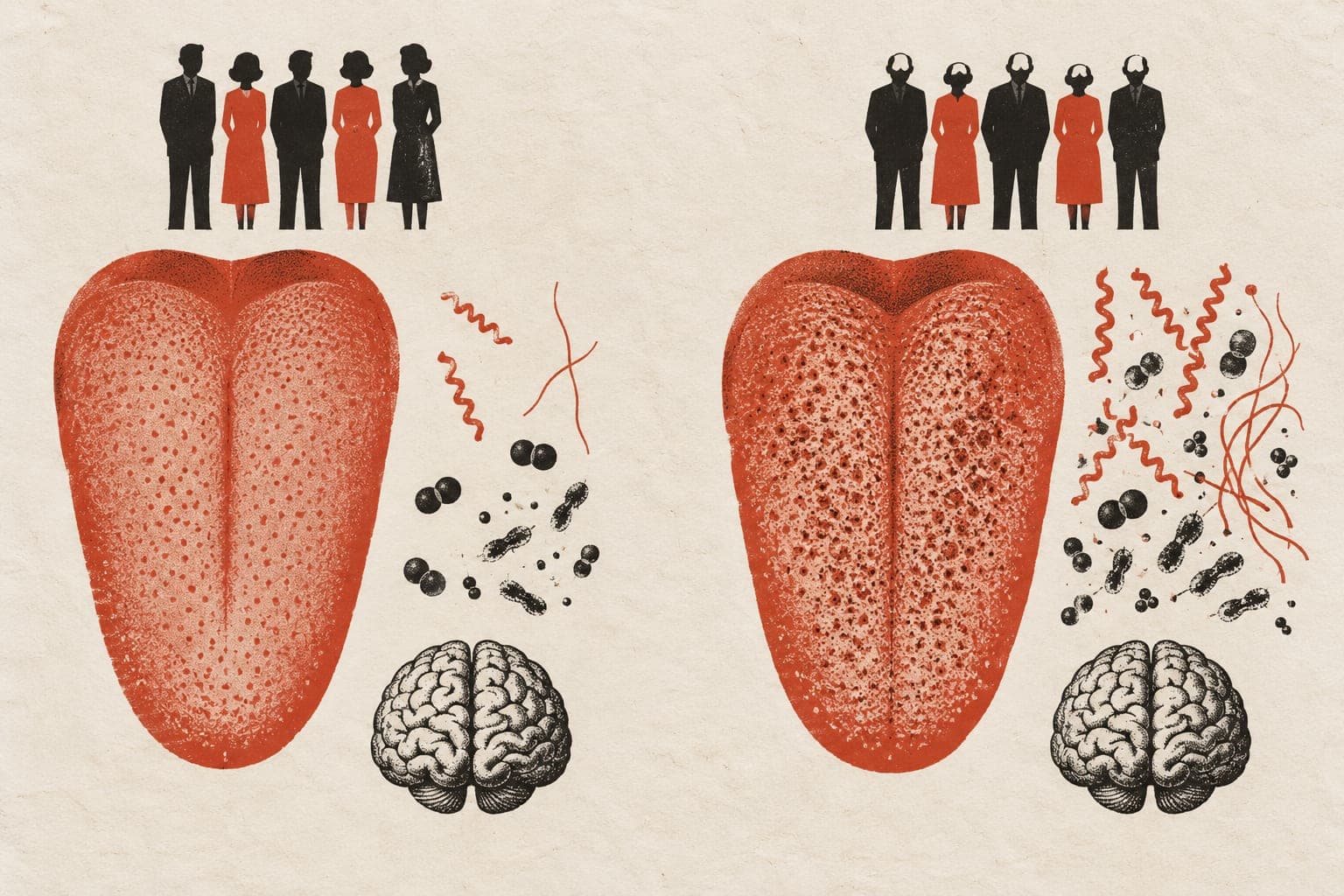
Purpose Probiotic supplementation has emerged as a microbiota-targeted nutritional strategy with potential to modulate gut–brain communication in mild cognitive impairment (MCI). However, randomized evidence remains limited. This systematic review and meta-analysis aimed to quantify the effects of oral probiotic supplementation on cognitive outcomes in adults with MCI and explore whether effects differed by formulation. Methods Eight databases were searched according to PRISMA. Eligible studies were randomized controlled trials (RCTs) of oral probiotic supplementation in adults with MCI. Risk of bias was assessed with RoB 2. Random-effects meta-analyses estimated standardized mean differences (SMDs) with 95% confidence intervals (CIs). Certainty of evidence was evaluated using the Grading of Recommendations Assessment, Development and Evaluation (GRADE) approach. An exploratory network meta-analysis was conducted to compare probiotic categories. Results Six RCTs including 474 participants were included. Compared with placebo/control, probiotics produced a small improvement in global cognitive performance (SMD 0.19, 95% CI 0.04 to 0.34; I² = 75.9%). Small favorable effects were observed for memory (SMD 0.14, 95% CI 0.02 to 0.25) and visuospatial/constructional function (SMD 0.24, 95% CI 0.06 to 0.41). No clear effects were detected for attention/processing speed, language, or orientation. Multi-strain formulations ranked highest in the exploratory network meta-analysis. Conclusion In adults with MCI, probiotic supplementation may yield modest improvements in global cognition and selected cognitive domains, but clinical relevance remains uncertain. Current evidence supports probiotics as a promising, not established, nutritional strategy. Larger strain-specific trials using harmonized cognitive outcomes, longer follow-up, safety assessment, and microbiota/inflammatory biomarkers are needed.
The paper
Universidad Complutense de Madrid
Research Square, 5 Sep 2026, Preprint, not peer-reviewed