Donor TET2 variant linked to lower stem cell transplant survival
Recipients whose donors carried a TET2 Leu1721Trp variant lived a median of 14.3 months compared with 50.8 months for those with wild-type donors.
International Journal of Molecular Sciences
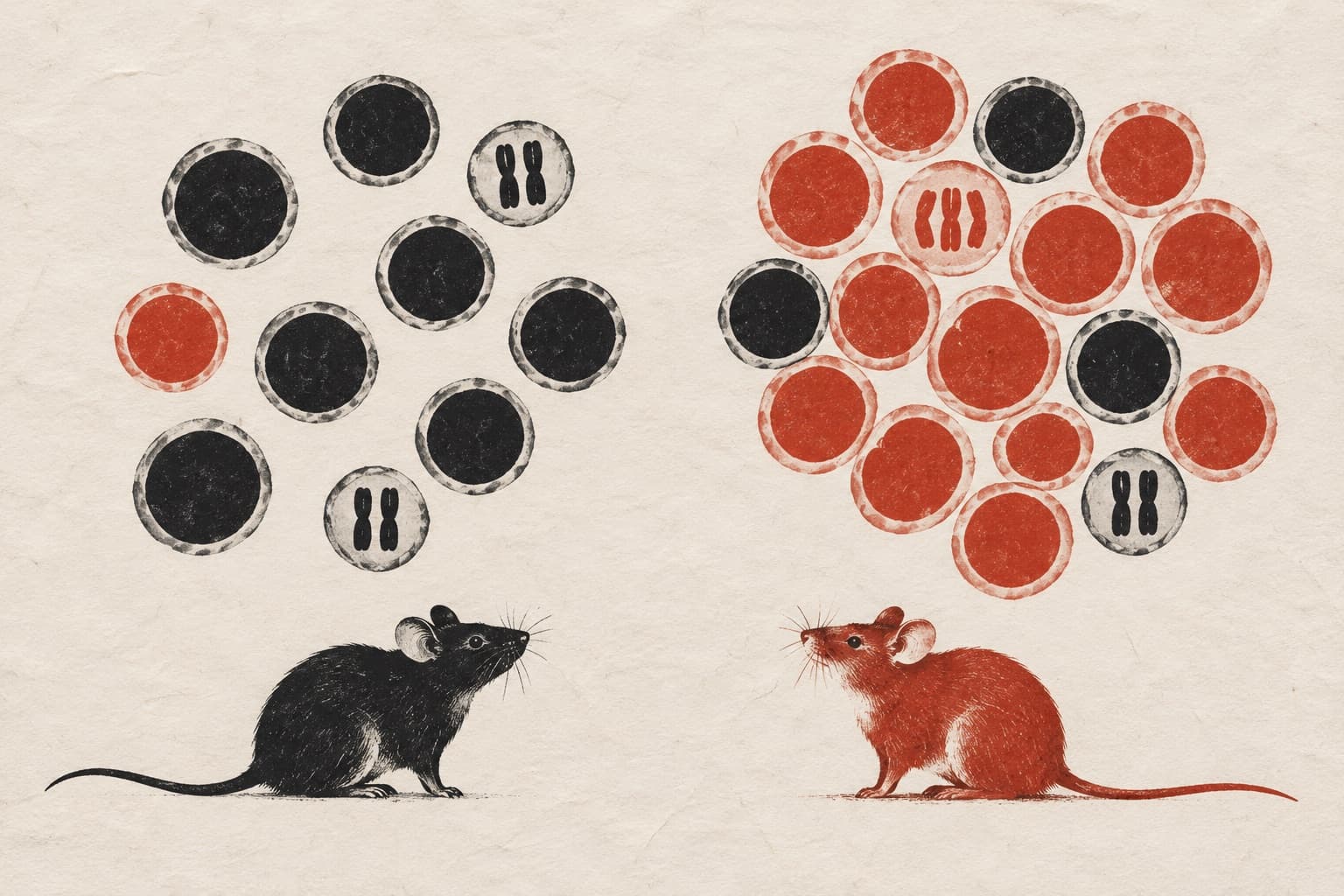
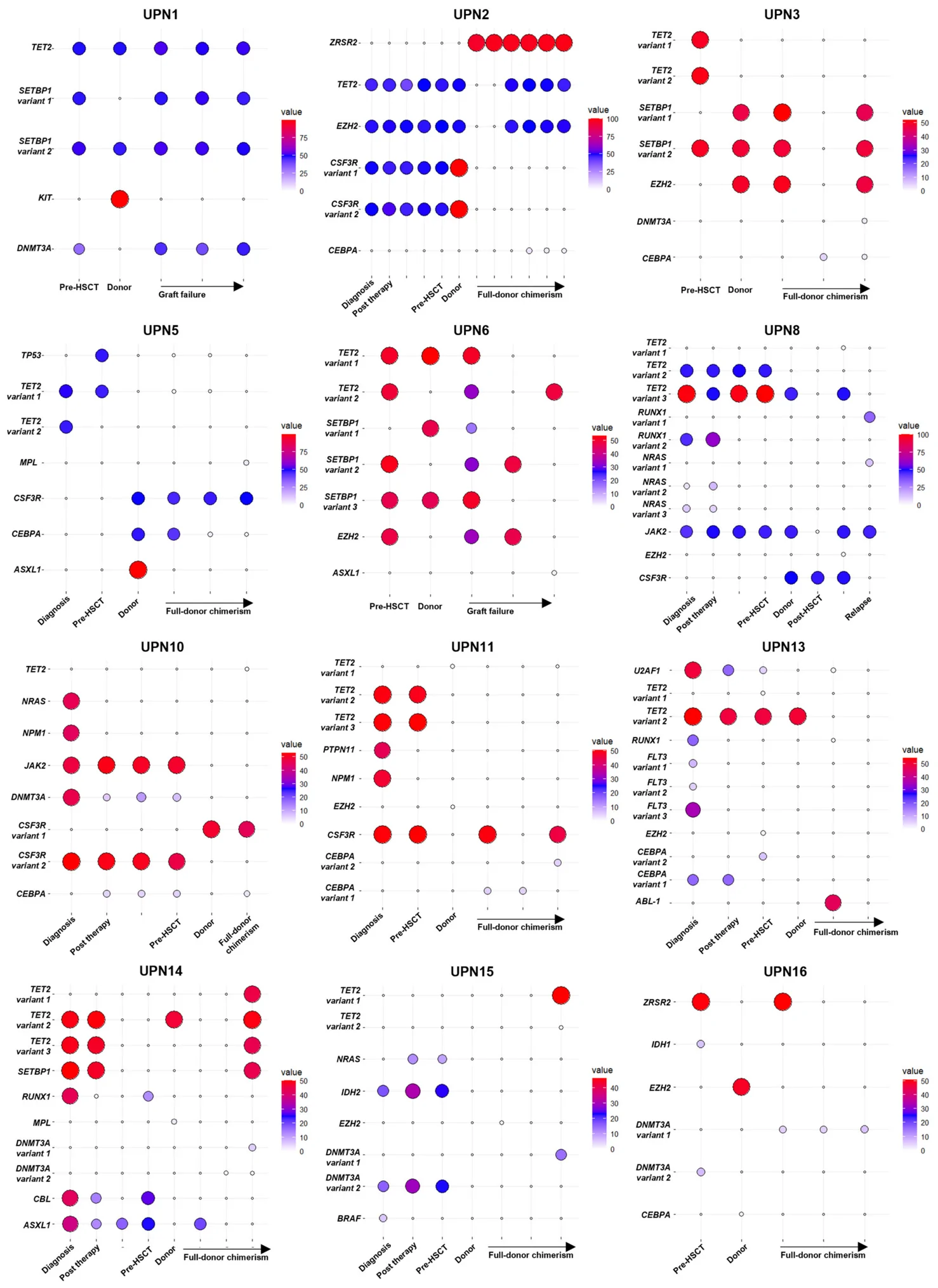
In 20 adult transplant recipients and their related stem cell donors, researchers tracked clonal evolution before and after transplantation using a 30-gene panel. Post-transplant hematopoiesis was frequently driven by donor-derived clones, with DNMT3A emerging as the most prevalent mutated gene across the cohort. However, specific donor alterations carried clinical risks. Recipients whose donors carried the TET2 Leu1721Trp variant had significantly shorter overall survival than those with wild-type donors (median 14.3 months versus 50.8 months). In contrast, the re-emergence of recipient-derived clones, especially oncogenic DNMT3A mutations, frequently preceded graft failure or leukemia relapse.
Why it matters
Clonal hematopoiesis expands with age and is often considered clinically neutral in healthy stem cell donors. These findings suggest that specific age-associated donor mutations could negatively shape hematopoietic reconstitution and patient survival.
Caveats
This study was a retrospective, single-center case series of only 20 recipient-donor pairs, meaning the survival links remain hypothesis-generating. Larger prospective cohorts are needed to verify whether donor TET2 variants consistently impair post-transplant outcomes.
- Allogeneic hematopoietic stem cell transplantation
- TET2 Leu1721Trp variant
- Graft failure
- Disease relapse
- Clonal hematopoiesis of indeterminate potential
- Humans
The paper
Show 9 more authors
Francesco Verdesca, Francesca Velino, Anna Maria Sessa, Simona Caruso, Martina De Leucio, Pasqualina Scala, Italia Conversano, Anna Maria Della Corte, Danilo De Novellis,University of Salerno · AOU San Giovanni di Dio e Ruggi d'Aragona
International Journal of Molecular Sciences · 9 Sep 2026 · CC BY