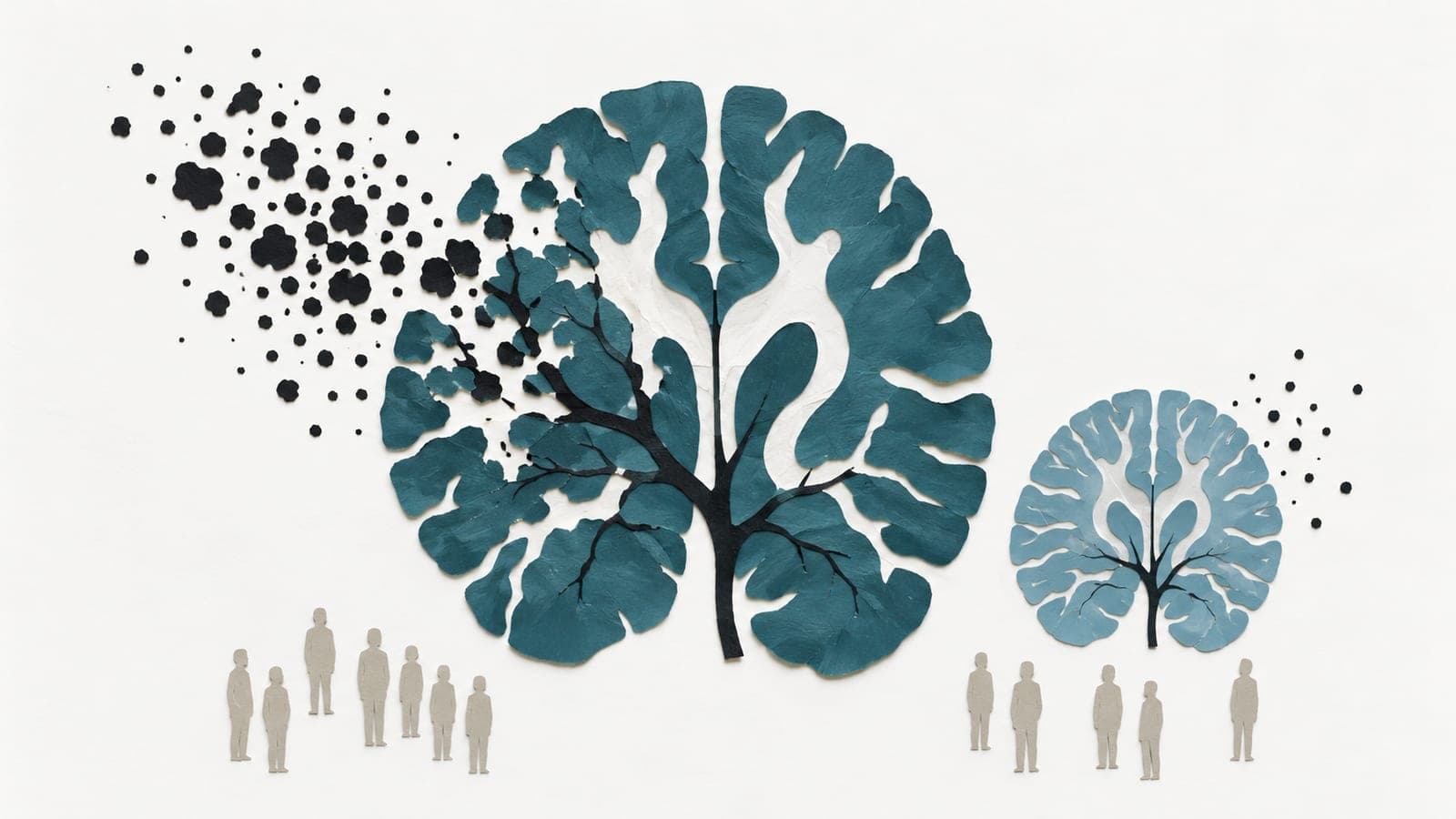
Wildfire smoke linked to dementia in older US adults
Each 1 gram per cubic metre increase in wildfire smoke particles was associated with 1.029 times the rate of Alzheimer’s disease and related dementias.
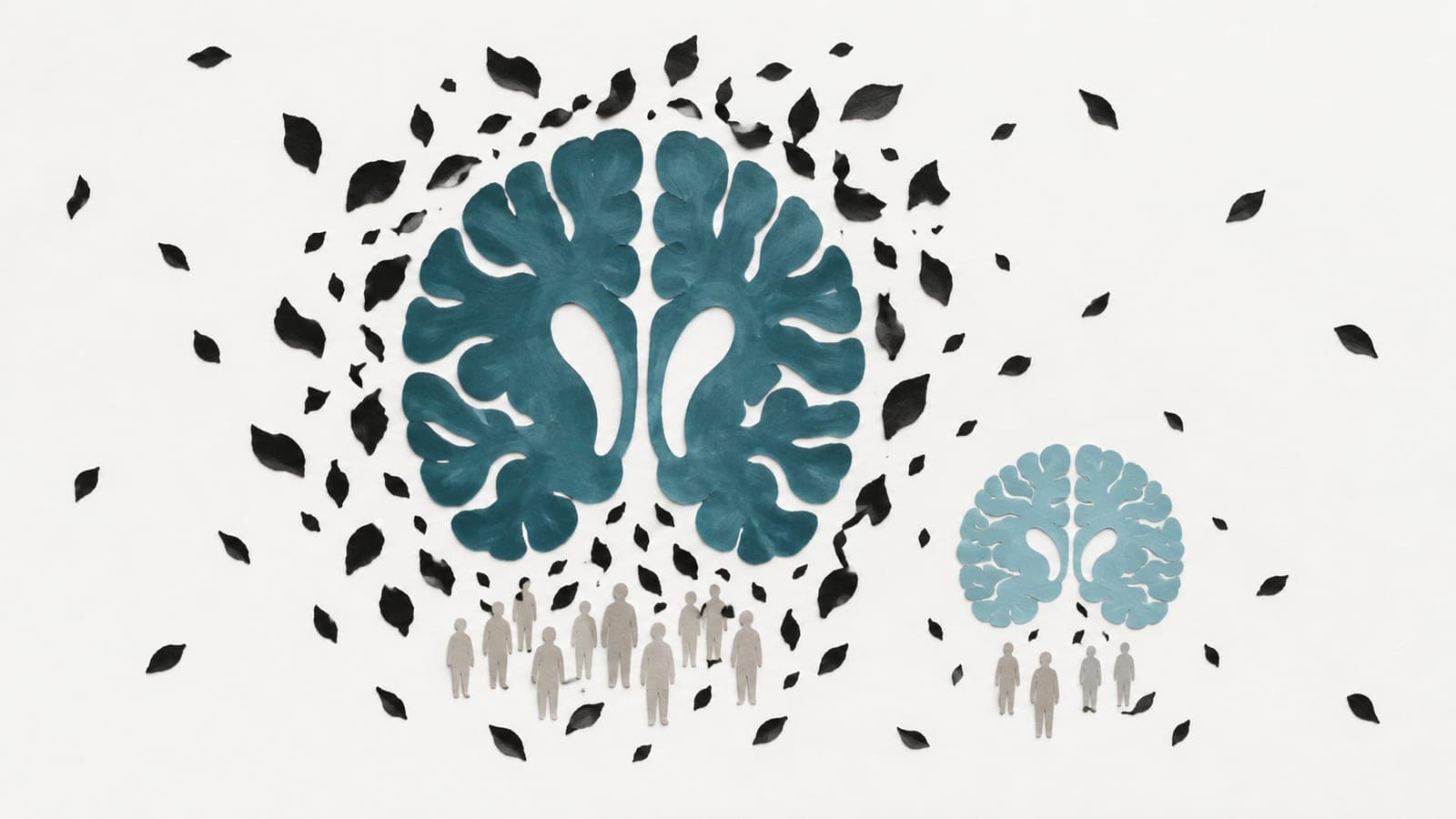
Researchers followed 39,678,630 older US adults enrolled in fee-for-service Medicare, which pays for individual healthcare services, from 2005 to 2019. In this observational cohort study, they linked Medicare records to annual estimates of fine-particle pollution from wildfire smoke and other sources. They also estimated exposure to elemental and organic carbon, carbon-containing components of those particles.
Higher long-term smoke exposure was associated with more new diagnoses of Alzheimer’s disease and related dementias. The carbon-containing fraction was also associated with higher rates of both outcomes. For Alzheimer’s disease and related dementias, smoke associations exceeded non-smoke associations per unit of particle mass. But smoke associations were smaller when researchers compared exposure differences spanning the middle half of values for each source.
Why it matters
For dementia research in older adults, the findings support distinguishing pollution sources and particle composition rather than treating all fine particles alike.
Caveats
This observational study could not show that wildfire smoke caused dementia; it linked estimated exposure to diagnoses in Medicare records. The report is a preprint and has not been peer-reviewed.
The paper
Emory Rollins School of Public Health
medRxiv, 11 Oct 2026, CC BY-NC-ND, Preprint, not peer-reviewed