Aged tissue scaffolds promote breast tumor growth in mice
Human breast cancer cells on scaffolds from mice aged 24–48 months formed larger tumors in young mice than cells on scaffolds from mice aged 2–4 months.
Our read
Mechanisms- Studied:
- Experiments in young Rag1−/− mice, 6 weeks, against tumors on young scaffolds
- What changed:
- Tumors on aged scaffolds were larger: 327 ± 132 mm versus 162 ± 60 mm on young scaffolds
- The catch:
- Follow-up lasted 6 weeks, missing the gradual matrix remodeling of chronic aging
- Why it’s aging research:
- It studies organisms or tissues that aged naturally.
Editor of record: Boris Djordjevic · AgingResearch.News
Human breast cancer cells implanted into young mice formed larger tumors on aged mouse mammary tissue scaffolds than on younger scaffolds in an animal experiment. Researchers removed cells from mammary glands of mice aged 2–4 or 24–48 months. This left the extracellular matrix, the supporting material around cells. They seeded these scaffolds with human MCF10A DCIS.com breast cancer cells before implantation.
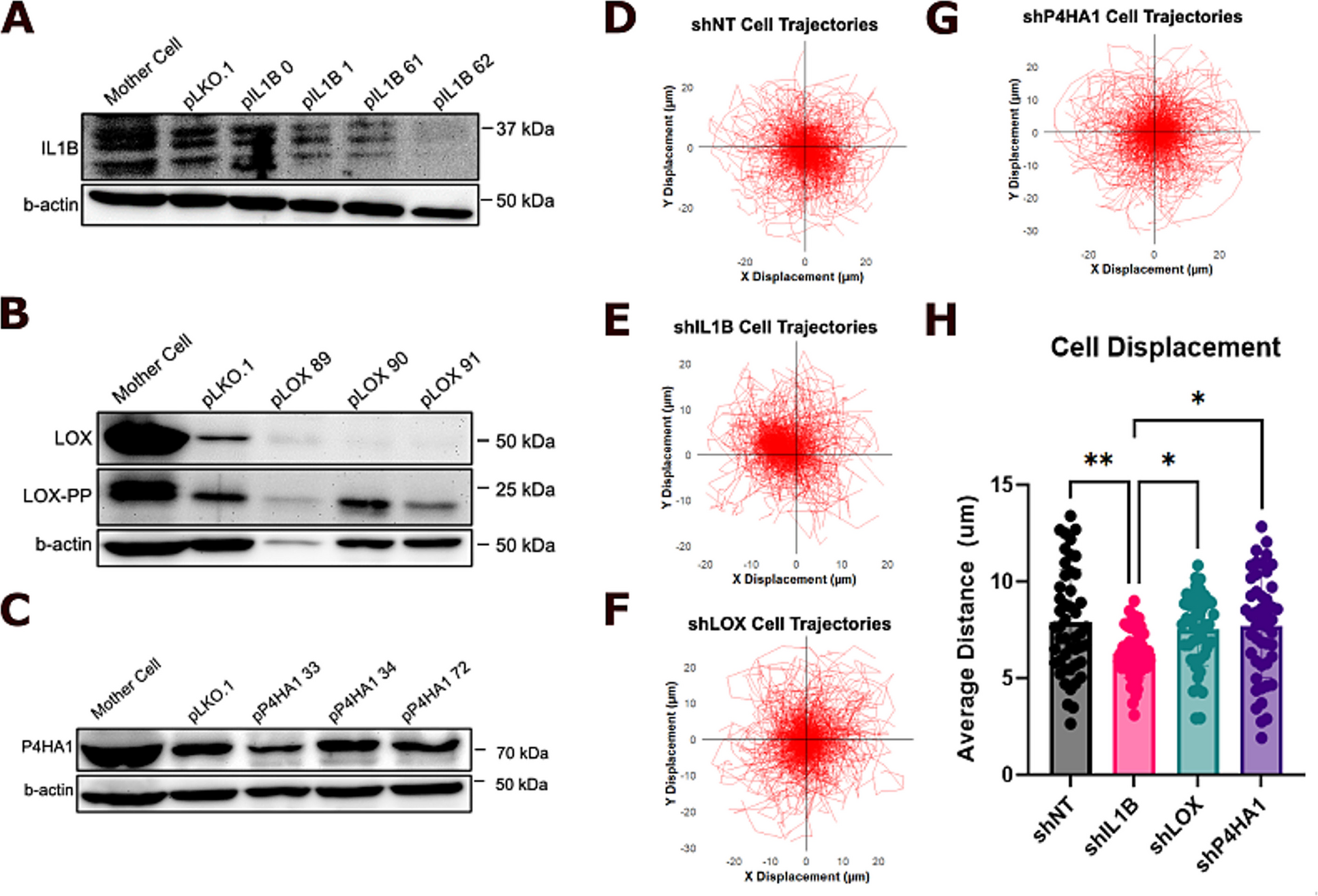
Tumors grown on aged scaffolds also had larger tumor-forming regions. Analysis of individual cells’ RNA revealed greater activity of genes linked to inflammation and invasion. In separate experiments, reducing production of LOX, an enzyme that helps stiffen the matrix, reduced invasion in lab-grown cells and mice. The authors identified LOX as a driver of tumor progression and a potential therapeutic target.
Why it matters
Aging is a key risk factor for breast cancer. The model offers a way to separate the contribution of aging tissue scaffolds from other age-related changes.
Caveats
The experiments used implanted scaffolds and human cancer cells in young, genetically modified mice, not breast cancers arising naturally in older animals. They did not test a LOX-targeting drug.
Where the evidence stands
Aged extracellular matrix
- 1 lab in 1 country
- Funders: National Cancer Institute and 5 more
Inflammation
- 1,030 independent labs in 76 countries
- 195 findings against
- Funders: National Institutes of Health and others
- 377 of 4,499 findings with company ties
The paper
Transcriptomic insights into age-associated extracellular matrix promotion of breast cancer
University of Notre Dame
BMC Biology, Aug 8, 2026, Open access
Comments
Be the first to comment.