Newborn heart material reduced inflammatory responses in mouse cells
Mouse immune cells grown for 24 hours on material from 2-day-old rat hearts showed reduced inflammatory activation and retained repair-associated markers.
Our read
Mechanisms- Studied:
- Preprint: experiments in murine RAW 264.7 macrophages, 24 hours, against adult ECM
- What changed:
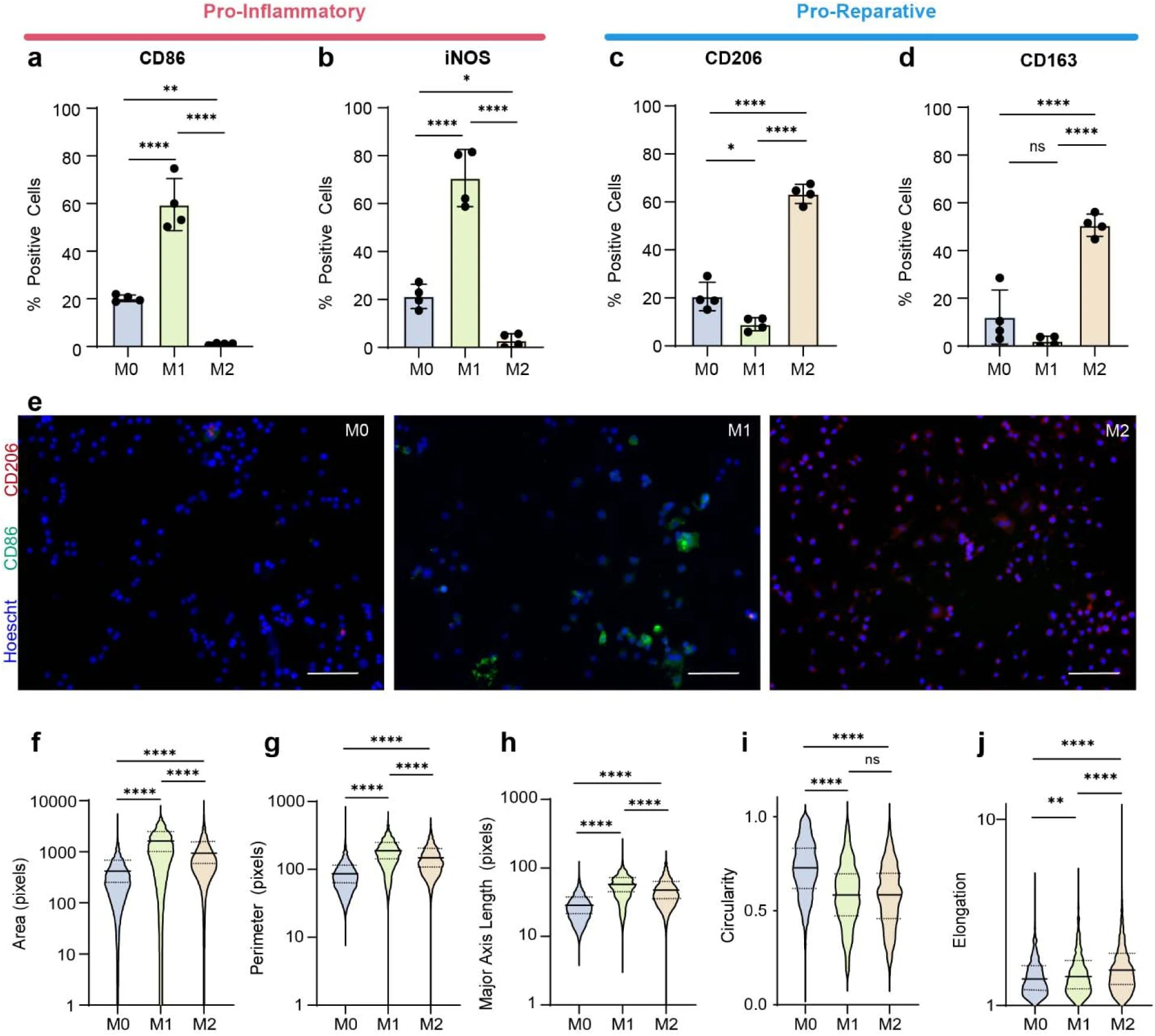
- CD86 and iNOS expression was lower in mouse macrophages cultured on neonatal cardiac ECM than on adult ECM
- The catch:
- Macrophage phenotype was measured, but macrophage function was not
- Why it’s aging research:
- It studies organisms or tissues that aged naturally.
Editor of record: Boris Djordjevic · AgingResearch.News
Researchers grew RAW 264.7 mouse macrophages, a line of immune cells, on rat heart material or uncoated surfaces in a laboratory experiment. The hearts came from rats aged 2 days, 6 weeks or 16–20 weeks. Researchers removed the heart cells and broke down the extracellular matrix, the supporting material around cells.
After 24 hours, they assessed cell markers and gene activity. Material from newborn hearts reduced inflammatory activation and maintained repair-associated markers. Cells also retained these markers under inflammatory stimulation. Gene analysis pointed to lower activity in pathways involving antiviral responses and interferons, proteins that carry immune signals. These effects did not appear with material from older hearts. The authors suggest that newborn heart matrix fragments may suppress inflammatory signaling through interferons.
Why it matters
The heart’s ability to repair injury declines after birth and with age. This work addresses whether age-related changes in the material surrounding cells may shape immune responses involved in repair.
Caveats
These were experiments in cells grown in the lab, not tests of heart repair in living animals or people. The findings come from a bioRxiv preprint that has not been peer-reviewed.
From the paper
- Limitation
As previously noted, the current study used RAW264.7 macrophages, which may not completely recapitulate primary macrophage responses.
Quoted word for word from the full text on bioRxiv.
- Cardiac extracellular matrix
- Extracellular matrix
- Immune response
- Inflammation
- Type I interferon signaling
- Rats
The paper
Tufts University
bioRxiv, Sep 10, 2026, Open access, CC BY-NC-ND, Preprint, not yet peer-reviewed

Comments
Be the first to comment.