Mouse egg cells show age-related changes missed by averages
Sorting individual mitochondria in mouse egg cells revealed age-related DNA differences that pooled measurements missed, with supplementation producing different effects across groups.
Our read
Interventions- Studied:
- Experiments in mouse oocytes and cumulus granulosa cells, against young oocytes
- What changed:
- Aged eggs had more mitochondrial DNA in high-potential and small mitochondria than young eggs, despite no difference in averages
- The catch:
- Fertility outcomes were not reported alongside the mitochondrial DNA changes
- Stake:
- An author sits on the board of SauveBio.
- In the record:
- One of 729 papers on nicotinamide mononucleotide on record: 104 with results in people, 329 in animals.
- Why it’s aging research:
- It studies organisms or tissues that aged naturally.
Editor of record: Boris Djordjevic · AgingResearch.News
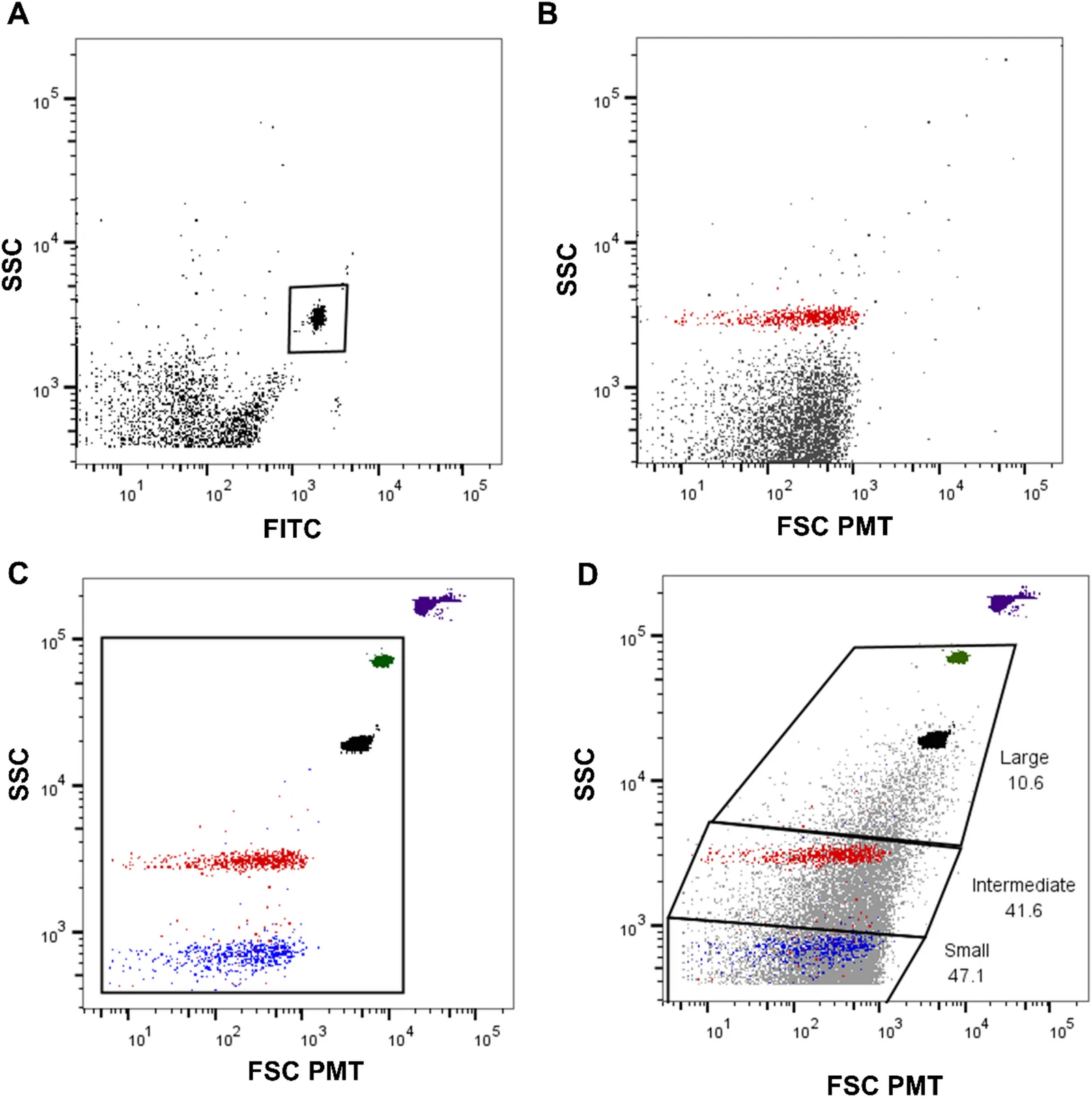
Mouse egg cells and their supporting cumulus cells were analyzed in an experiment comparing young and aged animals and responses to nicotinamide mononucleotide supplementation. The researchers sorted individual mitochondria, the cells’ energy-producing structures.
Across egg-cell mitochondria as a whole, DNA copy number did not differ significantly with age. Older egg cells had more DNA copies in small mitochondria and those with high membrane potential, the voltage across their inner membrane. Supplementation shifted DNA copy numbers in these groups toward young levels but had the opposite effect in large mitochondria. In cumulus cells, aging was associated with fewer mitochondrial DNA copies overall, predominantly in the high-potential group. Supplementation raised DNA copy numbers in small cumulus-cell mitochondria above both young and aged levels, while lowering them below aged levels in large mitochondria.
Why it matters
The authors identified distinct mitochondrial groups as more precise targets for investigating age-associated infertility than a cell’s mitochondria considered together.
Caveats
These molecular measurements in mouse cells did not establish improved egg quality or fertility. The supplied abstract and results do not give group sizes or supplementation dose and duration, limiting assessment of the supplement’s effects.
- Nicotinamide mononucleotide
- Mitochondrial DNA maintenance
- Mitochondrion
- Mitochondrial membrane potential
- Mitochondrial DNA copy number
- Mice
Nicotinamide mononucleotide is part of David Sinclair's daily regimen in LifespanMore supplements
The paper
Northeastern University
Journal of Ovarian Research, Aug 7, 2026, Open access
Comments
Be the first to comment.