Zumba may improve estimated aerobic fitness after menopause
Estimated aerobic capacity was 3.59 milliliters of oxygen per kilogram per minute higher with Zumba than usual habits at 12 weeks, accounting for starting values.
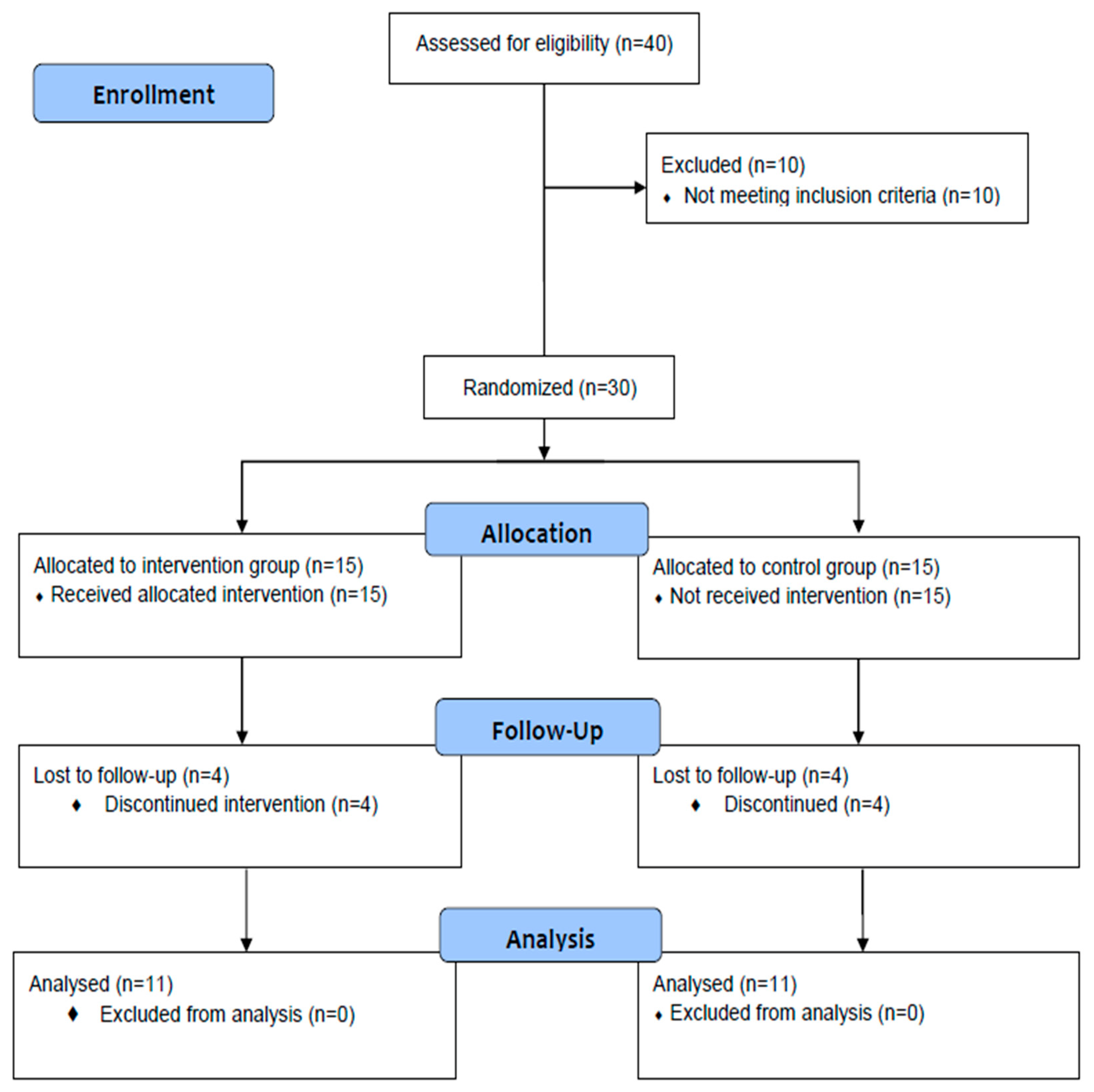
Limit: Analyses excluded 8 of the 30 randomized participants who withdrew, risking attrition bias
Edited by Boris Djordjevic · AgingResearch.News
Thirty postmenopausal women with overweight or obesity took part in a pilot randomized trial of a 12-week Zumba program. Researchers assigned 15 women to supervised, 60-minute sessions three times weekly and 15 to maintain their usual habits. Eight participants withdrew, leaving 11 in each group for the analysis.
Researchers assessed estimated maximal oxygen uptake, a measure of aerobic capacity, before and after the program. At follow-up, this estimate was higher in the Zumba group after accounting for starting values. Exploratory analyses also found differences in average platelet size and counts of neutrophils. Platelets are blood-clotting particles; neutrophils are immune cells. Other blood measures and both measures of inflammation showed no clear effects. The researchers concluded that Zumba may improve estimated aerobic capacity, while the blood findings remained preliminary.
Why it matters
The trial addressed a practical question about health after menopause: whether structured dance exercise may offer a way to support aerobic fitness.
Caveats
The analysis included only participants who completed the study, and aerobic capacity was estimated. This small trial covered only postmenopausal women with overweight or obesity; the abstract did not report adverse events or reasons for withdrawal.
From the paper
- Result
After adjustment for baseline estimated VO2max, the post-intervention value was significantly higher in the ZG than in the CG, with an adjusted between-group difference of 3.59 mL·kg−1·min−1 (95% CI: 2.41 to 4.76).
- Limitation
The final sample size was relatively small, which limits statistical power and generalizability, particularly for biologically variable hematological and inflammatory outcomes.
Quoted word for word from the full text on mdpi.com.