Drug reduced radiation-induced skin scarring in mice
In an experiment with at least 10 mice per group, ABT-263 also depleted connective-tissue and immune cells linked to scarring.

Limit: Group sizes were reported only as n ≥ 10/group
Edited by Boris Djordjevic · AgingResearch.News
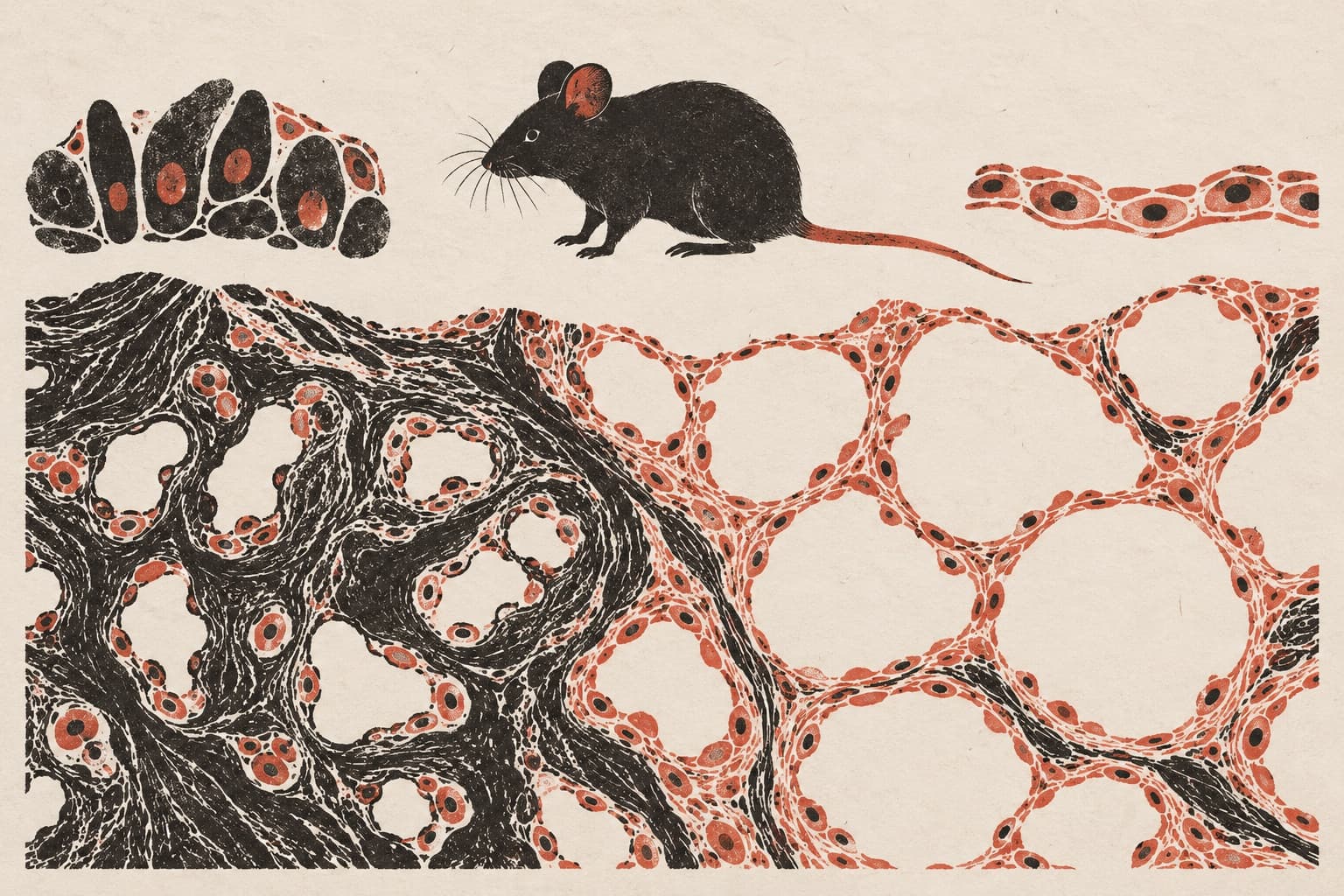
C3H/HeN mice received radiation to one hind leg in an animal experiment on skin fibrosis, a buildup of scar tissue. Starting five weeks later, researchers gave ABT-263 or a control preparation by mouth. They gave the drug at 50 milligrams per kilogram of body weight daily for five days, followed by two weeks of rest, for three cycles.
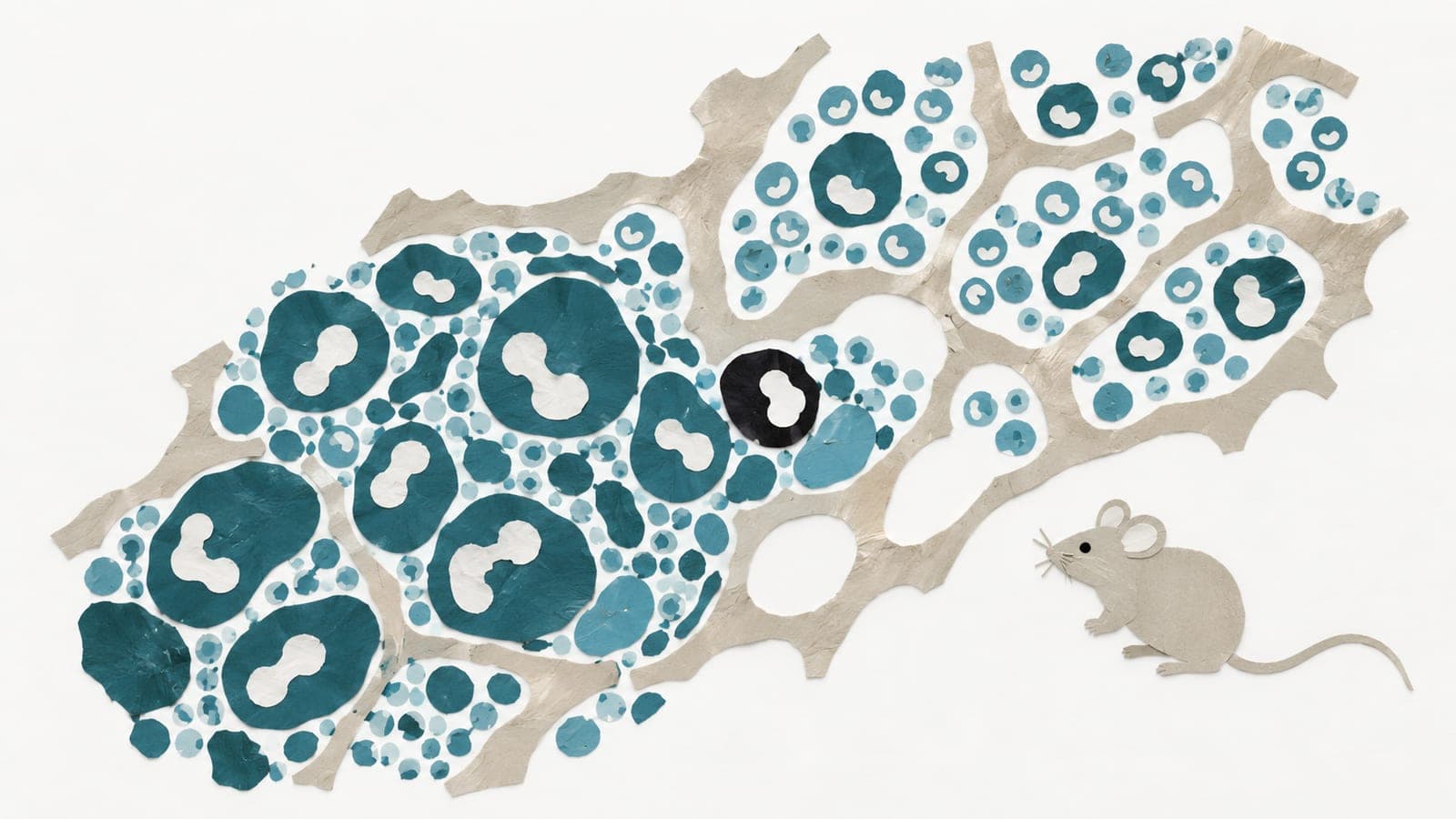
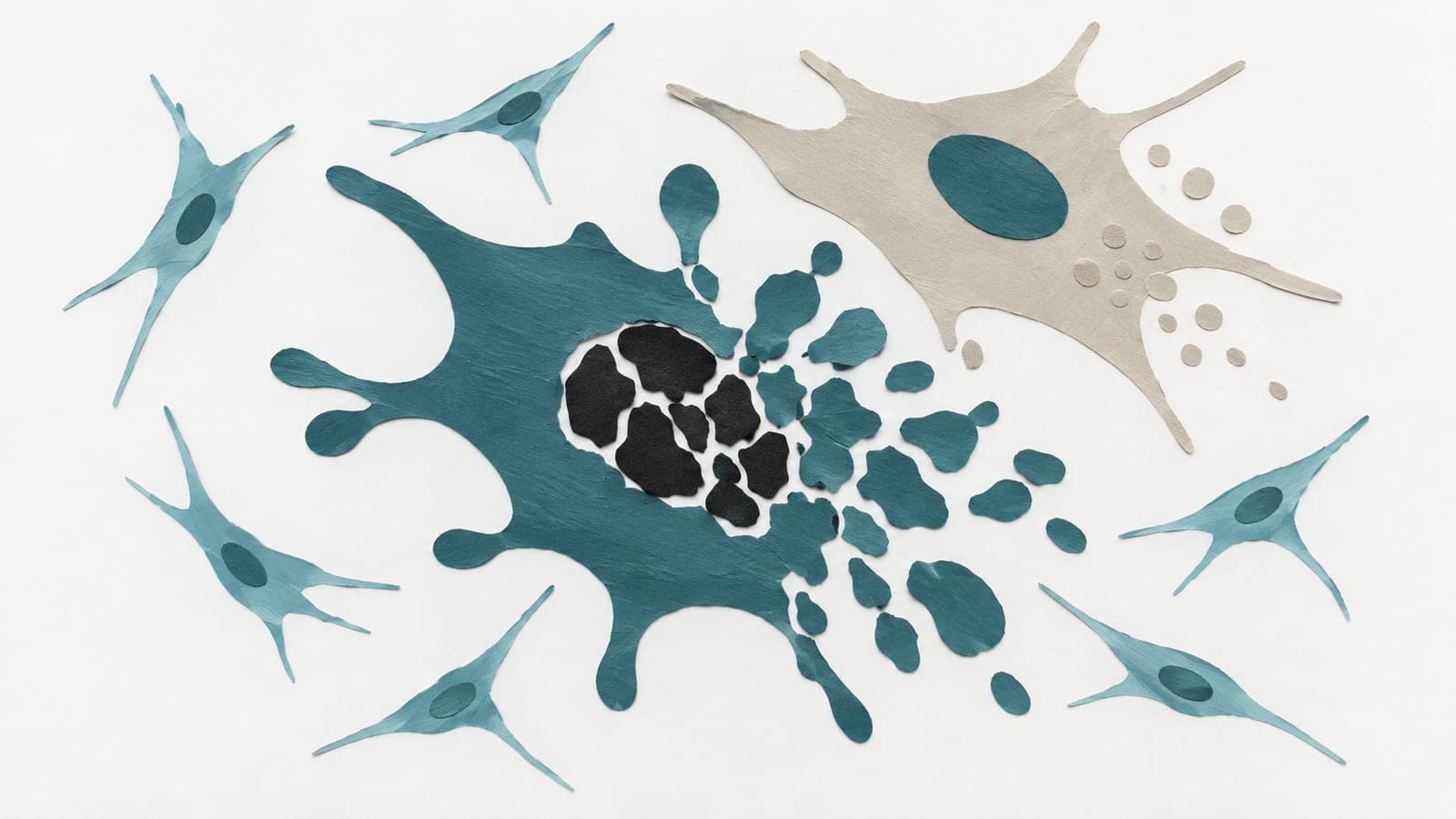
ABT-263 reduced skin fibrosis and depleted senescent fibroblasts, connective-tissue cells that had stopped dividing. It also depleted a scarring-associated type of macrophage, an immune cell. Separate experiments in cells grown in the lab identified a feedback loop: secretions from irradiated fibroblasts induced senescence-like changes in macrophages. These macrophages and activated fibroblasts amplified production of an inflammatory signal and collagen, a structural protein.
Why it matters
Targeting senescent cells may offer an approach to late radiation-induced skin injury, for which treatment options are limited.
Caveats
The findings came from mice and cells grown in the lab; whether this approach helps people remains untested here.
The paper
National Cancer Institute
International Journal of Radiation Oncology, Biology, Physics, Oct 24, 2026