DNA-based aging linked to higher heel bone density in humans
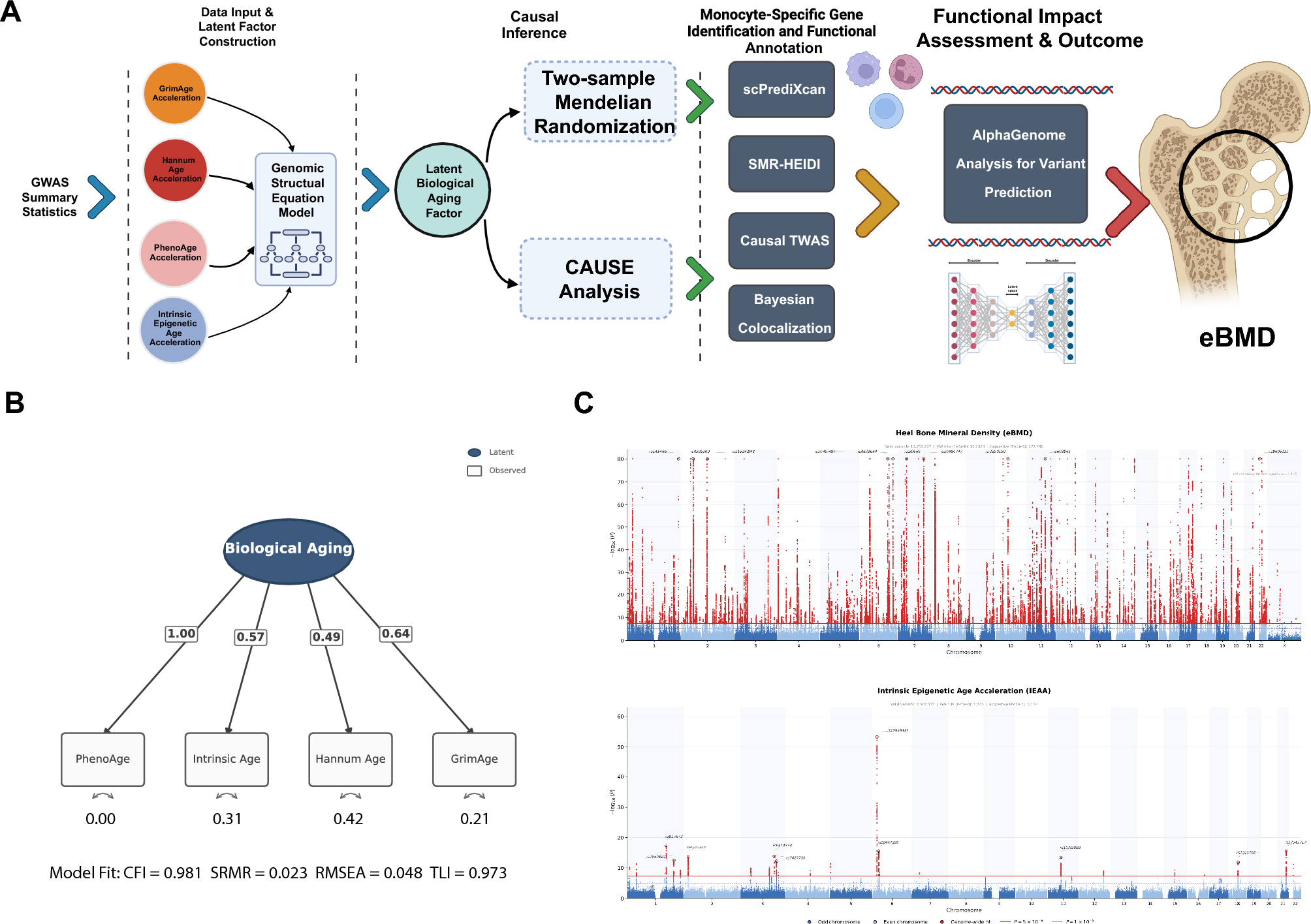
The genetic analysis used bone-density data from 426,824 people and estimated an association size of 0.067 between higher DNA-based aging and higher estimated heel bone density.
Limit: Bone-density responses to interventions that change biological aging were not measured
Edited by Boris Djordjevic · AgingResearch.News
In a Mendelian randomization analysis, researchers used genetic data on estimated heel bone density from 426,824 people to examine its relationship with DNA-based aging. This approach uses inherited genetic differences to investigate possible cause-and-effect relationships. The team combined four aging measures based on chemical marks on DNA into one measure.
The results were consistent with a possible causal association between the combined aging measure and estimated heel bone density. A reverse analysis found no evidence of an association in the opposite direction. Further genetic analyses highlighted monocytes, a type of immune cell, as potentially involved. They also identified 45 candidate genes related to estimated heel bone density. Tests in a laboratory cell line found protein changes consistent with computational predictions as cells developed into bone-resorbing cells.
Why it matters
The work offers targets for experiments testing whether gene regulation in immune cells helps connect biological aging with bone density.
Caveats
This genetic analysis did not test whether changing biological aging changes bone density. The protein checks used a laboratory cell line; the proposed mechanisms still need validation.
The paper
The Affiliated Yongchuan Hospital of Chongqing Medical University; General Practice School of Chongqing Medical University
Calcified Tissue International, Oct 24, 2026